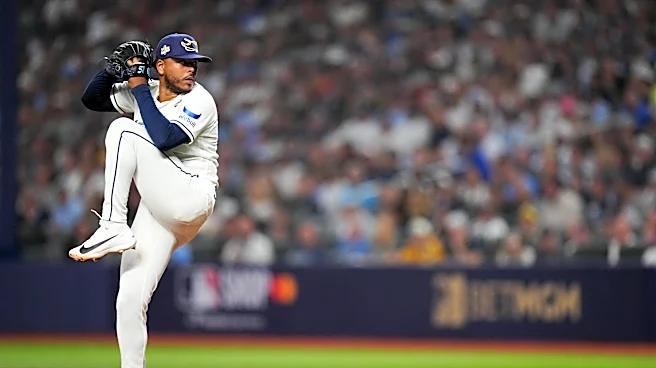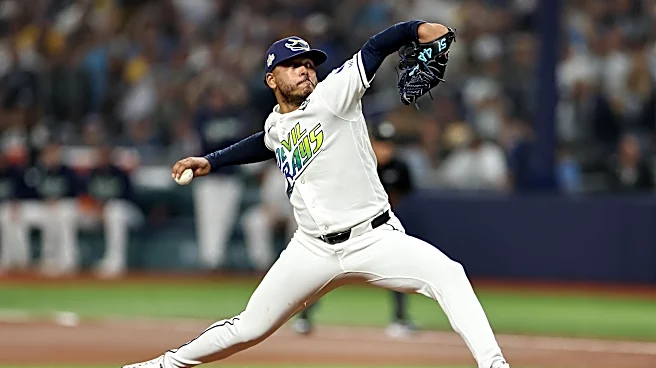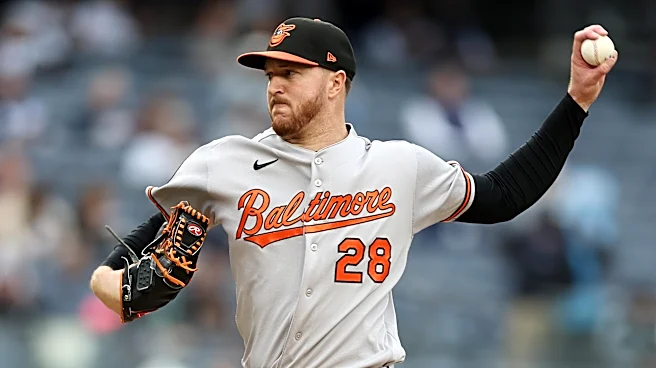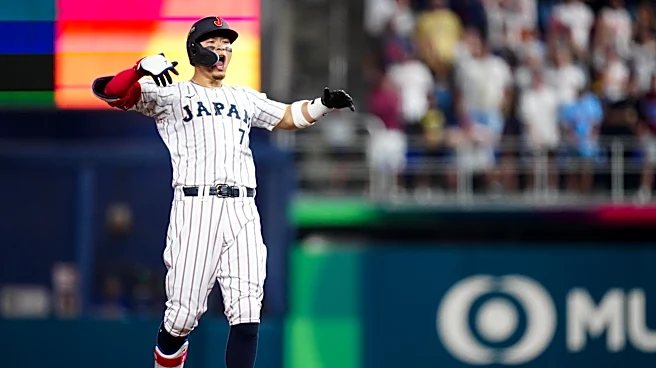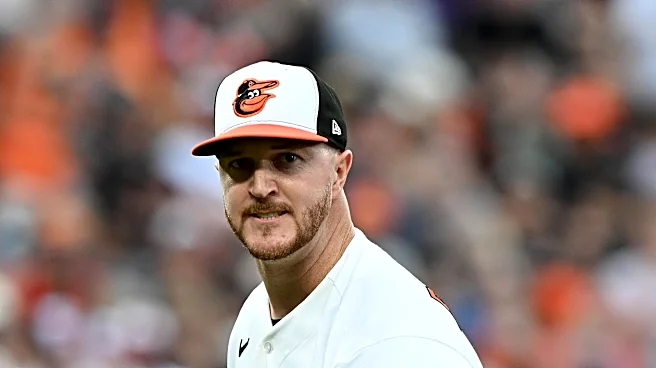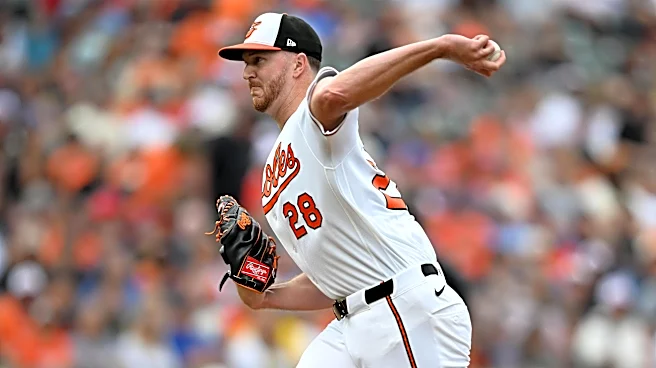


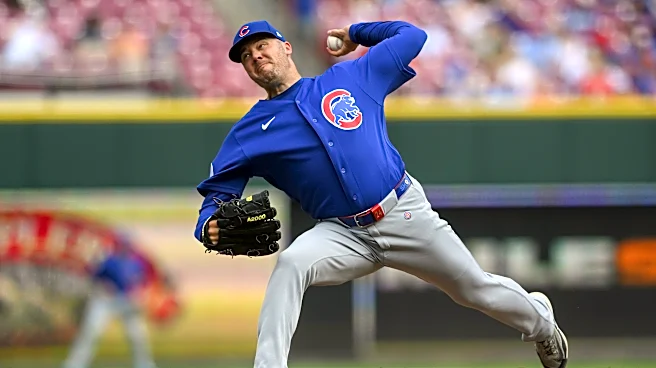
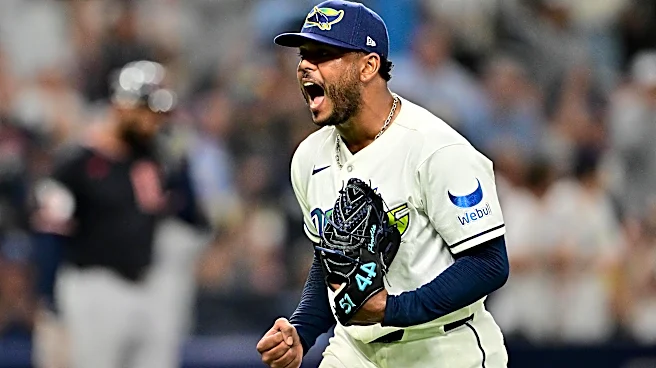
We’re mere days away from Thanksgiving and MLB has turned up the heat on the stove. Not the stove to cook their favorite holiday treats (I am partial to pie) but the hot stove on free agency. Many baseball analysts were predicting a fast and furious free agent signing period as the league faces a probable lockout when the current collective bargaining agreement expires on December 1 at 10:59 p.m. CT and the last couple of days have not disappointed. Monday night, the Cubs added lefty Trevor Rogers
to the team and before I could even create the outline for this post they also signed Japanese slugger Teruaki Sato to a deal. Sato is exciting, but first we’re going to dive into the numbers behind the Rogers signing:
The context
Earlier this offseason I took a closer look at the free agent starting pitchers available and basically created a summary of how that lined up with the Cubs needs. Spoiler alert, they needed a lot:
The first thing that jumps out about this list is that three of the pitchers in the top 10 were on the Cubs in 2026. That is probably a bit confusing at first glance since my spoiler alert was this was not a great list and everyone who watched a substantial amount of 2026 Cubs baseball knows pitching wasn’t exactly a strength.
That’s not a mistake, it’s indicative of the fact that the Cubs did everything they could to bolster their starting pitching ranks at the trade deadline and still fell just a bit short. There are very few upgrades for the Cubs on the free agent market. They can re-sign the pitchers who were on their roster at the end of 2026 and maintain the status quo, go big at the top of the free agent market to upgrade or pray for internal improvements.
Trevor Rogers was one of the handful of pitchers who MLB Trade Rumors, FanGraphs and The Athletic had consensus-ranked as an upgrade for the Cubs. The only other pitchers all three sites ranked higher than a free agent the Cubs lost were Tarik Skubal (signed with the Mets for nine years, $450 million), Freddy Peralta (signed with Baltimore for five years, $125 million) and Michael King (still unsigned as of this writing). That’s it for starting pitchers all three websites agreed were an upgrade over Clay Holmes, although I should note The Athletic likes Sonny Gray more than any other free agent except Skubal and MLB Trade Rumors had Tyler Mahle two spots above Holmes.
The arsenal
Rogers is a 29-year-old lefty who began his career in Miami before being traded to the Orioles at the 2024 trade deadline. His time with the Marlins was limited by injuries. He never logged more than 153 innings in a season at any level before throwing 169.2 innings for Baltimore in 2026.
But there’s a lot of promise in the innings he’s logged. Rogers has relies primarily on five pitches, with a mix that looks different depending on if he is facing a righty or a lefty:

That mix has shifted considerably over time. Rogers has expanded his arsenal over the years, as you can see below:

The results are solid, but not spectacular. His four-seamer sits between 93.5-93.8 miles per hour depending on the handedness of the batter. None of his pitches rate as particularly nasty by Stuff+, except the sweeping slider he throws. This is a pitcher with a deep arsenal who has solid command paired with one with one wipeout pitch he relies on about 24 percent of the time as a put away pitch according to Statcast. You can see the Stuff+ for all of Rogers’ pitches below:

It should be a familiar profile to Cubs fans, which is no shade to Rogers. If it ain’t broke, don’t fix it, but he doesn’t currently profile as the strikeout arm the Cubs have been waiting for since Yu Darvish was traded. I couldn’t have put it much better than Erik Halterman of Rotowire:
The results are better than you think and could profile to be better in Wrigley Field with the Cubs defense behind him. Below you can see key stats for Trevor Rogers since his rookie campaign, keep in mind that given how much his pitch mix has changed, you’re more likely looking at the 2025-26 version of him than the 2021 version:
The thing that jumps out immediately is that eyepopping 1.81 ERA off a 2.82 FIP in 2025. While Rogers came back to Earth in 2026, he was still a FIP-beater, ie, a pitcher who was actually pitching better than the defense behind him. That should matter with him joining the team who won the league-wide Gold Glove in 2026.
A savvy Twitter observer in my mentions noted that Rogers dealt with a bout of the flu that really sapped his numbers at the start of 2026. On his advice I re-ran Rogers’ stats since the start of June, and honestly, it looks a lot more like 2025 Rogers, which is good news for the Cubs. In 20 starts beginning June 4 Rogers had a 2.90 ERA and a 2.88 FIP in 121 innings.
The contract
Five years and $120 million is $1 million a year less than the Orioles ponied up to sign Freddy Peralta. Peralta is six months older than Rogers and had quite a bit more success prior to falling off a bit in 2026 with the Mets and the Tampa Bay Rays. That strikes me as right in the sweet spot for the Cubs, although I admit I was really hoping they’d sign both pitchers.
Another way to look at this in conjunction with the Sato signing was pointed out on Twitter:
For what it’s worth, top end starting pitching appears to be just ahead of the predicted market this year, as you can see at MLB Trade Rumors. The top three free agent starting pitchers off the board each exceeded their predicted value by $5-$25 million in terms of total contract value. That’s likely a premium teams are willing to pay to add some of these players to their team before what might be a long and contentious lockout.
Takeaways
This is a very good signing at a position of need for the Cubs. Their work on the rotation (and bullpen!) is far from done, but Rogers would currently slot in at the top of the rotation. He has a slightly higher ceiling to my eye than Justin Steele, at least for 2026. Pitchers often struggle as they work their way back from surgery, at least for a while. The Cubs still need a true top of the rotation ace and they probably also need some depth at the fourth/fifth starter spots. That said, this deal certainly makes them better than they were at the end of the season.