

The Phillies can’t do anything right at the moment. They’ve pitched poorly, their defense has been a mess, and their offense has been almost nonexistent. In addition to playing poorly, they’ve also had absolutely horrendous luck, as their .355 batting average on balls in play against is the worst in baseball entering Monday. In fact, it’s over 25 points higher than the team in second, namely the Houston Astros with a .324 mark. It’s 10 points higher than the all-time leaders in worst BABIP against,
the 1930 Phillies (.345), who themselves just barely edged out the 2020 Phillies (.344). None of this is meant to be an excuse, but rather a statement of fact that the Phillies have been on the wrong end of batted ball luck.
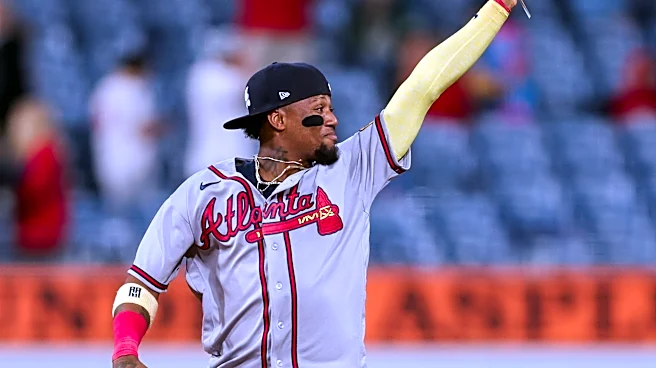
However, bad luck and playing poorly are not mutually exclusive. On any given night, poor play can lead to more chances for bad luck, or bad luck can lead to a snowball effect of poor play. Take Saturday night’s loss to the Braves for example. The Phillies entered the third inning leading 1-0 thanks to Felix Reyes’ hitting a home run in his first major league at-bat. Cristopher Sánchez was on the mound and tasked with throwing a desperately needed shutdown inning. He struck out the first two hitters in Jorge Mateo and Ronald Acũna Jr., but then allowed a hard hit single up the middle to Drake Baldwin.
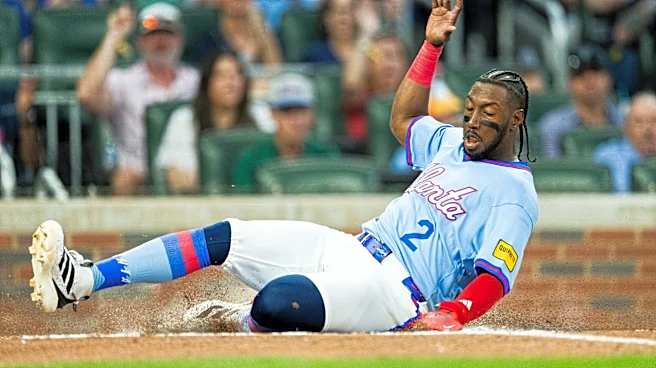
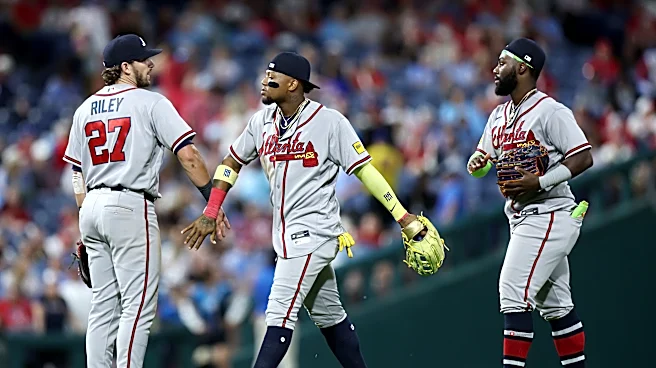
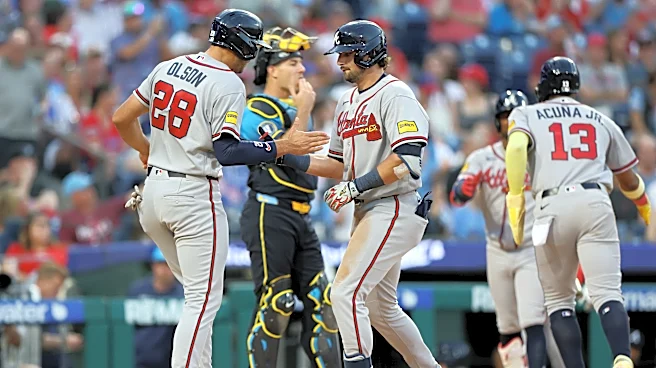
Sánchez was then able to get Ozzie Albies to ground into what should have been the final out of the inning, but Edmundo Sosa bobbled it on his way to tag second base and both runners were safe. Matt Olson then walked on four pitches to load the bases before Austin Riley hit a swinging bunt that only went 104 feet but was in a perfect spot. Couple that with Sánchez not fielding it cleanly, and the tying run scored without a throw on a hit with an expected batting average of .130. Mauricio Dubón then singled on a fly ball to center field that landed perfectly behind Sosa and in front of center fielder Brandon Marsh, scoring two more runs for Atlanta. Sánchez finally got a groundout to end the inning, but the damage was done.
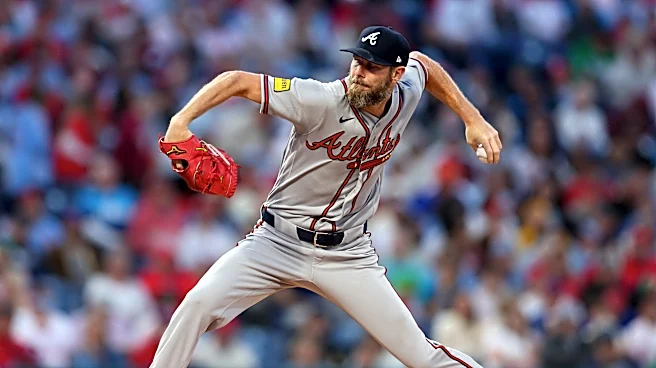
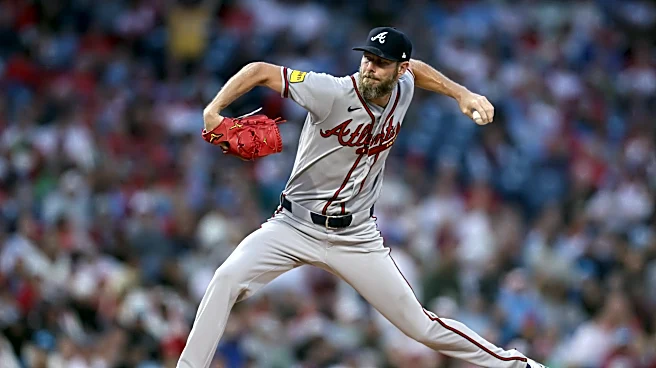
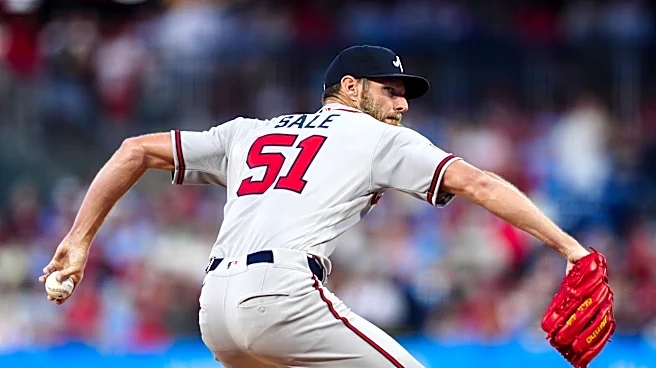
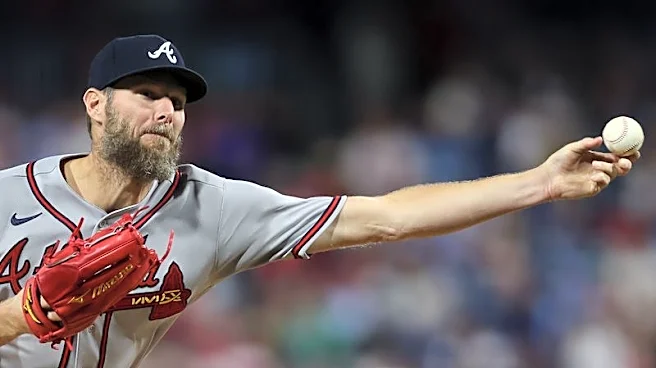
Here we can see how poor play led to bad luck. Sánchez should have been out of the inning unscathed, but Sosa’s error allowed the chance for bad luck to occur, and that’s exactly what happened. Sánchez is not entirely innocent either, as his four-pitch walk of Olson immediately after the error allowed the inning to further spiral out of control. He didn’t allow any earned runs and still pitched well enough to win the game, but the three runs that came across in the inning were more than enough to beat the Phillies lifeless offense that was completely shut down by Chris Sale.
Sunday night was another example, this time on the offensive side. The Phillies had two runners on with two outs in the ninth down 4-2 with Kyle Schwarber at the plate. Schwarber ripped a Raisel Iglesias changeup to right field with an exit velocity of 102 MPH and an expected batting average of .430, but Acuña Jr. was able to chase it down and make a nice catch, robbing Schwarber of a possible game-tying base hit.
In this example, the Phillies frankly shouldn’t be waiting until their last out to generate offense. After all, the team had three combined hits from the second inning through the eighth inning and had a span of only having two base runners after Schwarber’s first inning home run until the fifth inning, both of which were Bryce Harper. You cannot control your luck, but you can control your quality of play. Having better at-bats earlier in the game can ensure that your chances to win don’t hang on your last out. If you play better, there’s less opportunity for poor luck to drastically influence the game.
These are just two of the more recent examples of one of these factors feeding into the other. There’s not much you can do against a perfectly placed swinging bunt or a good catch in the field. Those are things that are out of a player’s control. What is in a player’s control though is making sure games don’t have to come down to perfectly placed swinging bunts or getting robbed in the outfield.
The Phillies batted ball luck will normalize at some point. It’s simply unsustainable to be at the rate it is, even if they eventually end the season with a higher rate than usual. The question is, will it be too late to matter?