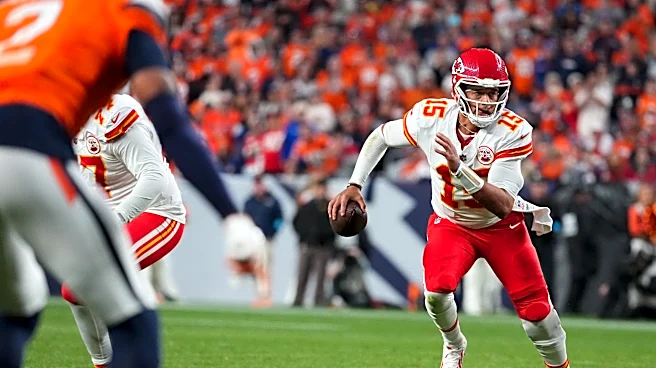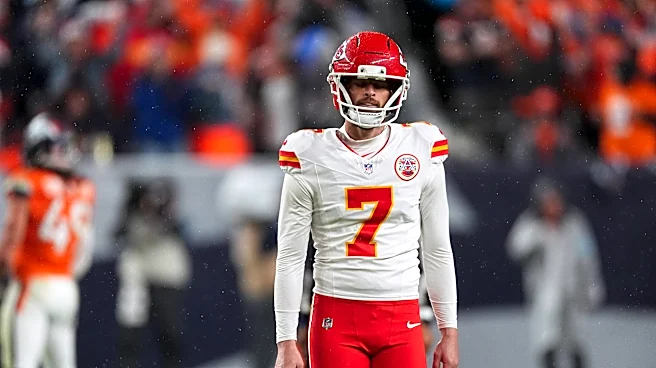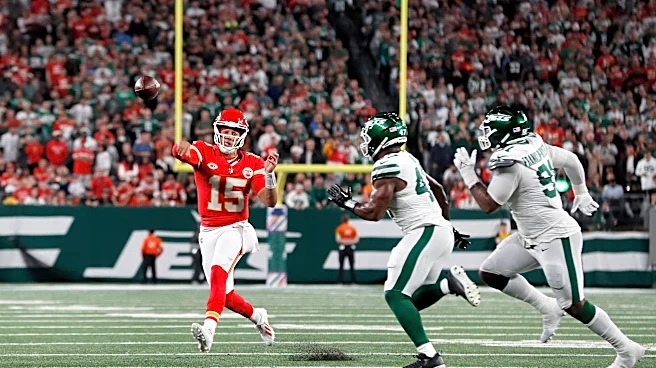

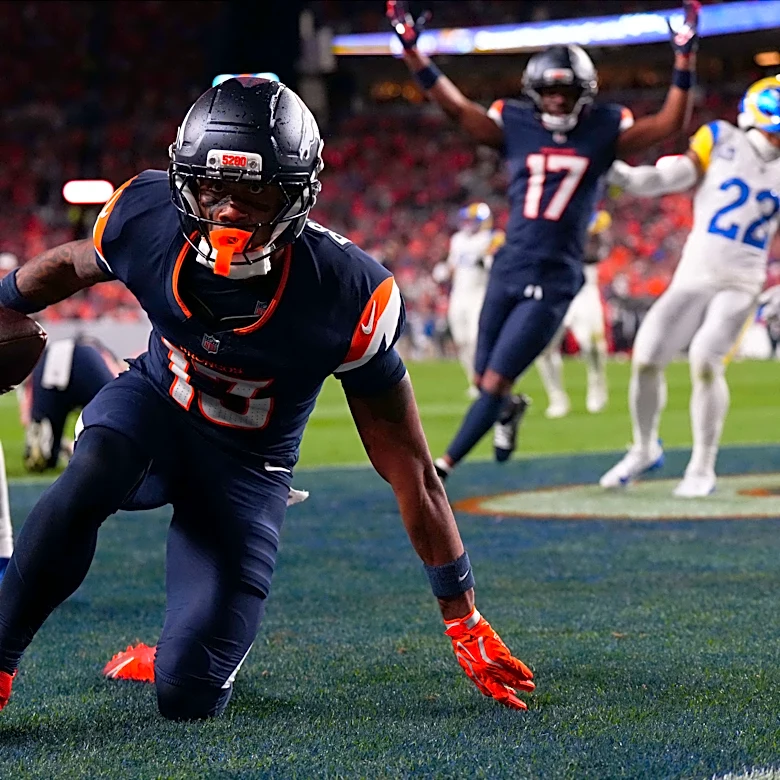

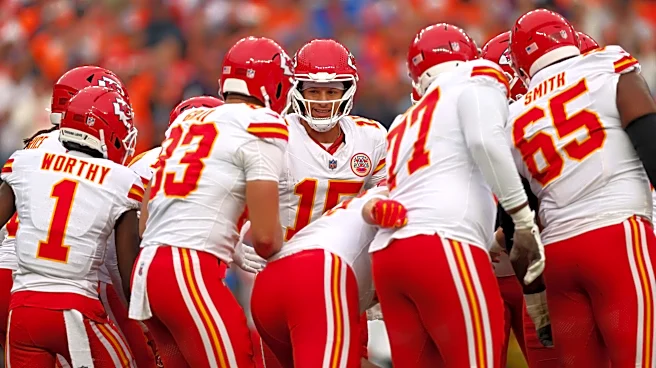

The New York Jets are on the road in Kansas City, Missouri on Sunday for the 9th game of their 2026 campaign. They will be facing the Kansas City Chiefs. The Chiefs have lost two straight games after starting the season 5-0.
Previewing this matchup, Maurice Elston, a writer at Arrowhead Pride, was kind enough to answer a few questions regarding the 2026 Kansas City Chiefs.
- The Chiefs limited their opponents to 10 points or fewer in three of their first five games, but they have allowed a combined 48 points in the last two games. Are the recent struggles on defense just a quality of opponent issue, or are there bigger problems involved?
I think there are some bigger issues involved, particularly the Chiefs’ inability to consistently pressure the quarterback and
finish possessions on critical downs.
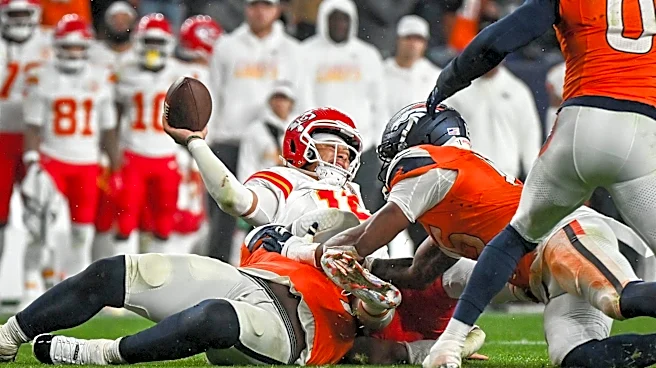
Seattle converted 11 of 16 third downs and controlled the ball for nearly 36 minutes. Denver only converted 2 of 11 third downs, so the defense improved in that area, but the Broncos went 2-for-2 on fourth down. That continued a trend we have seen against the Chiefs: opposing coaches are willing to be aggressive on fourth down because they understand the importance of extending possessions and keeping Patrick Mahomes off the field.
The lack of a pass rush ties everything together. The Chiefs failed to record a sack against Seattle and produced only one against Denver. They have only nine sacks through seven games, with one of the NFL’s lowest pressure and sack rates. When you cannot consistently pressure the quarterback, offenses have more time to find favorable matchups. When you combine that with an inability to finish possessions on third or fourth down, it eventually leads to more plays, more yards and more points.
The quality of the opposition certainly played a role, but the pass rush is a legitimate concern that must be corrected.
- The Chiefs’ offense had fallen into an average-ish range over the past few years, but this year they are back to being one of the better offenses in the NFL. Is this just the Kenneth Walker effect? What has gone right this year that wasn’t necessarily working in recent years for the Chiefs?
The Kenneth Walker effect is certainly one of the biggest reasons for the improvement. The Chiefs had not possessed a truly dynamic running game or a home-run threat at running back in recent years. Walker has 770 rushing yards through seven games, which has already surpassed the season total of Kansas City’s leading rusher in each of the previous two years. Kareem Hunt led the Chiefs with 728 yards in 2024 and only 611 in 2025.
Walker’s presence has changed how defenses must prepare for Kansas City. They can no longer play light boxes, sit back in coverage and assume the Chiefs will eventually abandon the running game. Andy Reid has also used more under-center formations and play-action concepts, which have created better opportunities for Mahomes.
During the first five games, before Tyquan Thornton’s injury, the combination worked especially well. Defenses had to respect Walker in the backfield while also accounting for Thornton’s ability to stretch the field. When opponents played zero coverage or crowded the line of scrimmage, the Chiefs had somebody capable of beating them deep.
Walker is not the only reason the offense has improved, but his presence has made every other element more effective. The running game, play-action passing and vertical threat were complementing one another in a way we had not seen from this offense in several years.
- Can you give us a synopsis of what the Chiefs’ draft class has looked like so far, and what you expect from them as the year goes on?
The first name that stands out is Mansoor Delane. The Chiefs traded up to select him sixth overall, and when healthy, he has looked worthy of that investment. The shoulder injury that has followed him since the offseason has caused him to miss time, but his coverage has been excellent. Even on some of the receptions he allowed against Jaxon Smith-Njigba, Delane was in good position. Sometimes a great throw and catch simply beat great coverage.
R Mason Thomas has also flashed as a pass rusher. His sack total does not reflect it yet, but you can see his natural ability to turn the corner and defeat offensive tackles. His next step is learning how to finish those pressures and turn them into sacks.
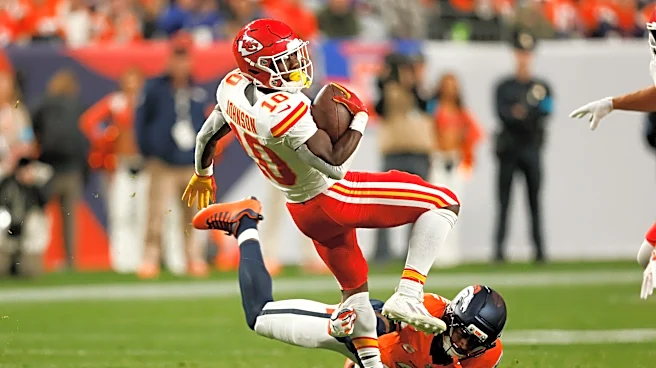
Emmett Johnson has contributed in several different roles. He has returned kicks, played on special teams and shown value as a receiving and pass-protecting back. His breakout performance against Denver—143 yards from scrimmage, including 128 receiving yards and a touchdown—demonstrated the type of weapon he can become.
Peter Woods, the Chiefs’ second first-round pick, has shown flashes but has lacked consistency and is now dealing with a neck injury. Cyrus Allen has not received many offensive opportunities, but he has displayed an intriguing ceiling when he has gotten on the field. Fourth-round cornerback Jadon Canady was inactive or used sparingly early in the season, but injuries in the secondary have created opportunities for him. Seventh-round quarterback Garrett Nussmeier is more of a developmental player and has not factored into the offense.
Overall, I would describe the class as solid with a high ceiling. Delane already looks like a potential cornerstone, while Thomas and Johnson have shown they can become significant contributors. As injuries create more opportunities, I expect several members of this class to take on larger roles during the second half of the season.
- Every team has a player or two who may be somewhat unfamiliar to other teams’ fans but is known as an unsung hero by fans of his own team. Who are the Chiefs’ unsung heroes? If possible, give us one player on each side of the ball.
On offense, I would go with Emmett Johnson. Jets fans may be a little more familiar with him after his performance against Denver, but he still is not a household name. Johnson gives the Chiefs another weapon in the passing game and has also contributed as a runner, blocker and returner. He does not need 15 touches to affect a game because he can create a big play whenever the ball finds him.
Defensively, I would choose Christian Roland-Wallace. With L’Jarius Sneed now on injured reserve, Roland-Wallace becomes an important part of the secondary rotation. He has been one of the Chiefs’ most improved defensive players and offers the versatility to contribute outside or in the slot. He may not receive much national attention, but he could play a significant role while Kansas City works through its injuries at cornerback.
- If you were an opposing head coach, how would you attack this Chiefs team on offense and on defense?
When defending the Chiefs, my approach would be straightforward until Kansas City proves it can consistently beat it without Tyquan Thornton. I would crowd the line of scrimmage to slow down Kenneth Walker, challenge the Chiefs’ wide receivers with physical man coverage and trust my front four to win against Kansas City’s offensive tackles. Thornton provided the vertical threat that punished defenses for stacking the box. Without him, teams have been much more aggressive about taking away the running game and forcing the remaining receivers to win one-on-one.
When attacking the Chiefs’ defense, I would target the linebackers in coverage. If an offense has a dynamic receiving back or tight end, it should look for ways to isolate that player against Kansas City’s linebackers in space. I would also remain aggressive on fourth down, because opponents have shown that extending drives can wear this defense down.
The formula is to force Kansas City’s receivers to beat press coverage when the Chiefs have the ball, then use running backs and tight ends to attack the middle of the field when facing their defense.