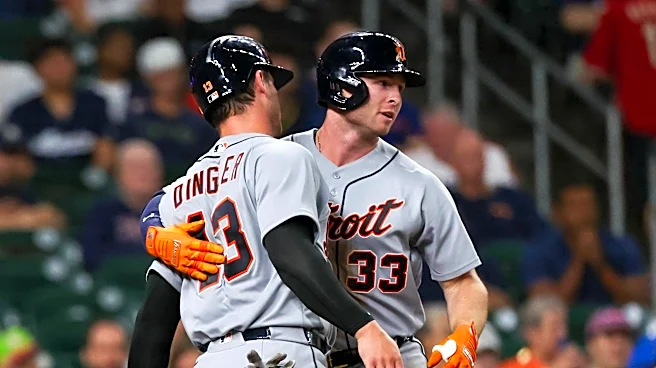

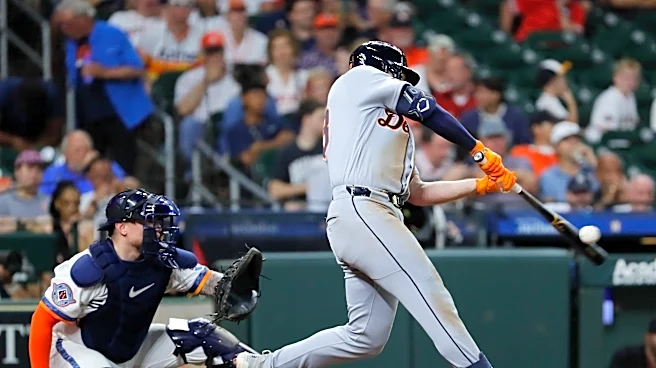


Sometimes it’s okay to say goodbye.
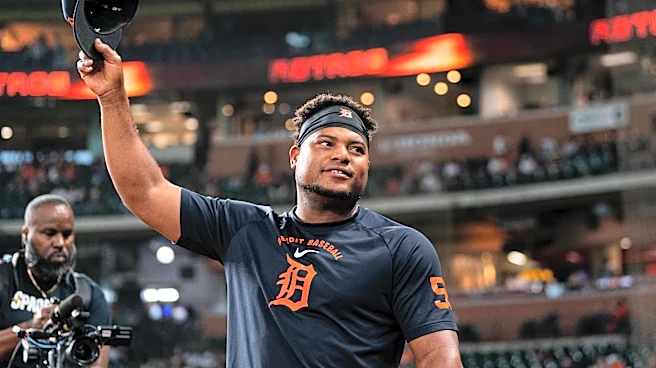
That may be a difficult reality for Astros fans to accept, especially when it involves a player who played such a significant role in the organization’s success over the years. But after hearing Framber Valdez’ comments during his first return to Houston since signing with the Detroit Tigers, it became clear that some fans were bothered by the fact that the Astros apparently never reached out to him or made a serious effort to bring him back before or during free
agency.
The question many fans have asked is simple: Why?
The answer is equally simple.
As good as Framber Valdez was throughout most of his Astros career, the version of Valdez that approached free agency was not the same dominant pitcher Houston had relied on for years. There was a time when every time he took the mound Astros fans felt confident their team was going to win. He was one of the most reliable starters in baseball and a key piece of multiple playoff runs.
But over his final season or two in Houston, there were signs of decline.
The flashes of brilliance were still there. The dominance would occasionally show up. However, so did the warning signs. His consistency slipped. There were more rough outings, more runs allowed, and diminished returns on both his velocity and command. Even his trademark breaking pitches didn’t seem to have the same effectiveness they once did.
When evaluating whether to commit a massive long-term contract to a pitcher, performance isn’t the only factor.
The Astros also had to consider Valdez’s emotional volatility.
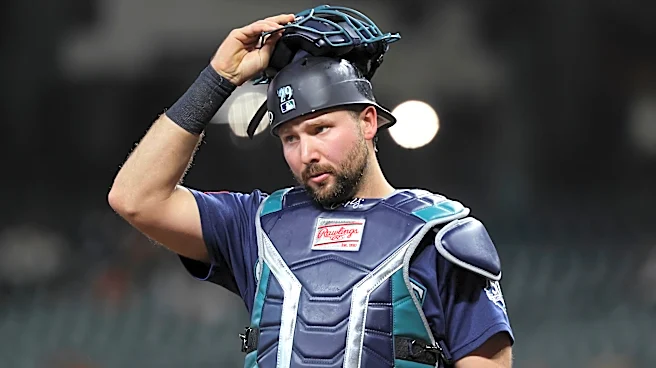
Whether you believe his actions involving César Salazar were intentional or not, the optics were poor. More importantly, it reinforced concerns that have existed throughout much of his career. When things went wrong, Valdez often struggled to maintain his composure.
Astros fans have seen it before.
There were games where frustration appeared to overwhelm him. Instead of staying focused and working through adversity, he would abandon his approach and simply throw pitches over the plate. Postgame interviews occasionally featured comments that seemed to shift blame toward teammates or others rather than accepting responsibility himself.
Those concerns weren’t limited to the mound.
Valdez’s defense was also a recurring issue. Opposing teams understood that forcing him to field his position could create opportunities. Bunts and slow rollers often turned into adventures, and his throwing accuracy became a liability at times.
There were also documented disagreements regarding defensive positioning and game-planning strategies. One notable example came during a 2024 game against the Angels when frustration over the pitching plan appeared to contribute to a disastrous seven-run inning.
Yet the biggest factor in the Astros’ decision was likely the simplest one.
Age and mileage matter.
Valdez was already over 30 years old and had accumulated a significant workload on his arm. Baseball history is filled with examples of pitchers signing lucrative contracts after turning 30, only to see injuries and declining performance follow shortly thereafter.
General managers don’t get paid to reward past accomplishments. They get paid to project future performance.
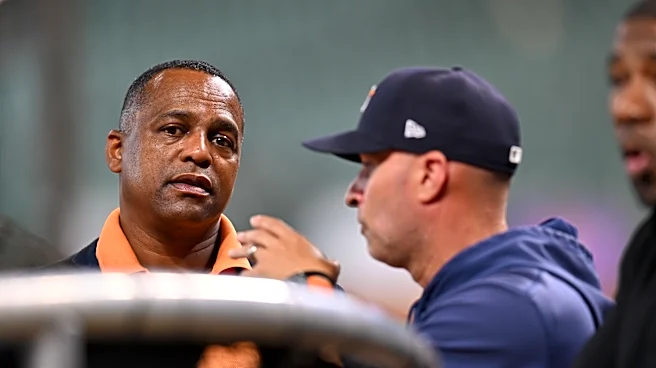
Dana Brown and the Astros front office had to determine whether committing major money and years to Valdez made sense moving forward. Based on the available evidence, they concluded it did not.
And they were right.
That’s not to say fans aren’t justified in feeling disappointed. Valdez was a fan favorite and an important part of the Astros’ success. If you believe he earned at least a phone call or a conversation out of respect for everything he accomplished, that’s a fair argument.
But loyalty can only take a franchise so far.
The Astros had to make a baseball decision, and this appears to be one they got right.
The fact that Houston’s replacements haven’t performed particularly well this season is a separate discussion entirely. The Astros deserve criticism if their plan to replace Valdez has failed. However, that doesn’t automatically mean they should have re-signed him.
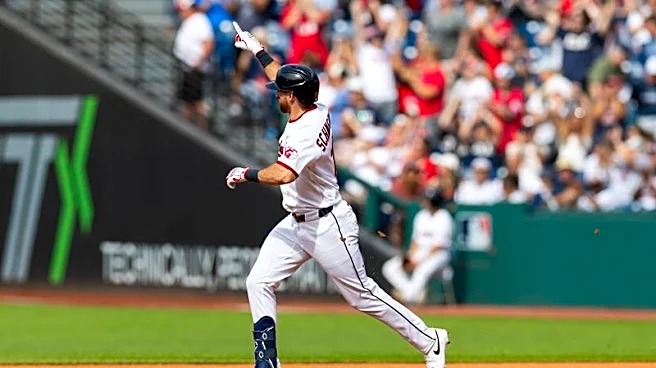
His results with the Tigers haven’t matched the best years of his Astros tenure, and the same emotional concerns have resurfaced. Most notably, during a recent game against the Red Sox, Valdez hit Trevor Story with a 94-mph fastball, was ejected, suspended six games, and later denied responsibility for the incident despite widespread criticism.
For Astros fans frustrated by another beloved player leaving town, the reaction is understandable. Houston has watched a long list of fan favorites depart over the years.
But not every goodbye is a mistake.
When you examine the total picture, his age, workload, declining performance, defensive shortcomings, emotional volatility, and the financial commitment required, the Astros’ decision to let Framber Valdez walk was the correct one.
Sometimes it’s okay to say goodbye.