
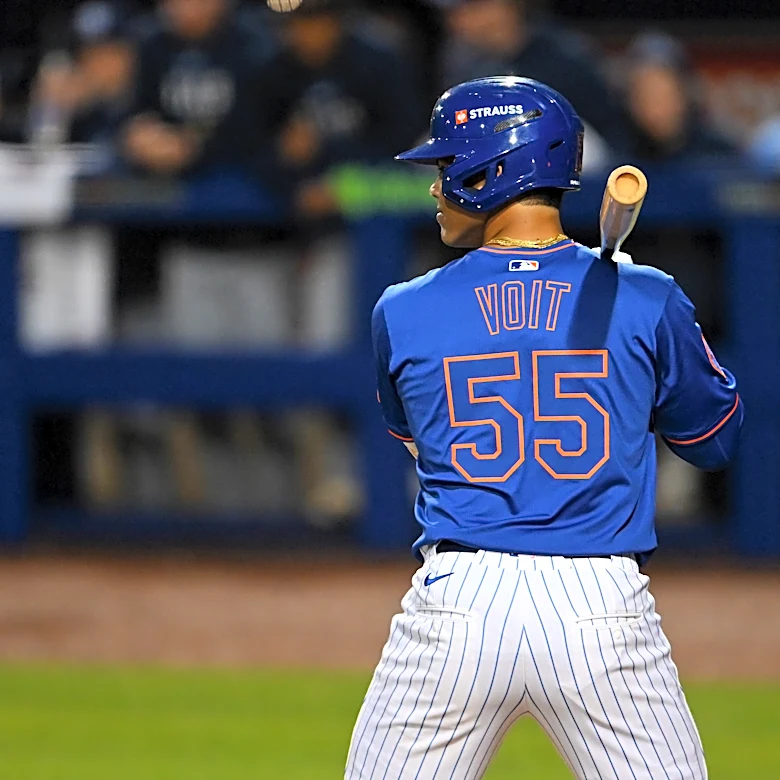
The 2026 MLB trade deadline has passed, and the Nationals made a flurry of moves, with the most notable ones being Curtis Mead being sent to Boston, Luis Garcia Jr. to the Bronx, and Foster Griffin to Cleveland. While it was known coming into the deadline that the Nats would be looking to execute a buy-and-sell strategy, what most fans did not expect was for those two things to occur at the same time. While the Nats sent out three big leaguers at the deadline, in return, they brought in four big league talents.
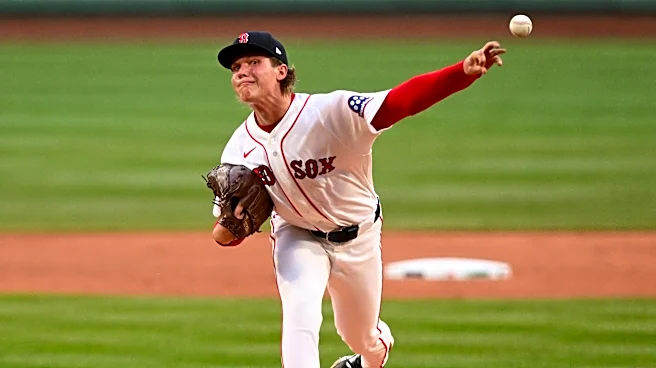
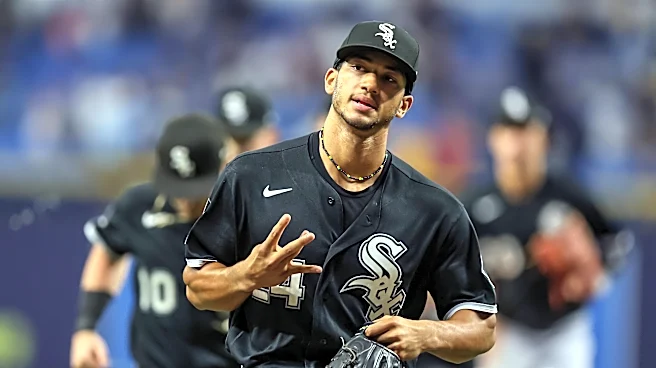
The most notable of the four big leaguers the Nats acquired was Connelly Early, a talented 24-year-old left-handed pitcher acquired in exchange for Curtis Mead from the Red Sox. Early is currently on the injured list, but is preparing for a rehab assignment and is expected to pitch in the bigs once again this season, although it will be for the Nats instead of the Red Sox when he comes back. The Nats sold off one of their breakout bats in Mead and bought a solid young pitcher with years of control, all in the same deal.
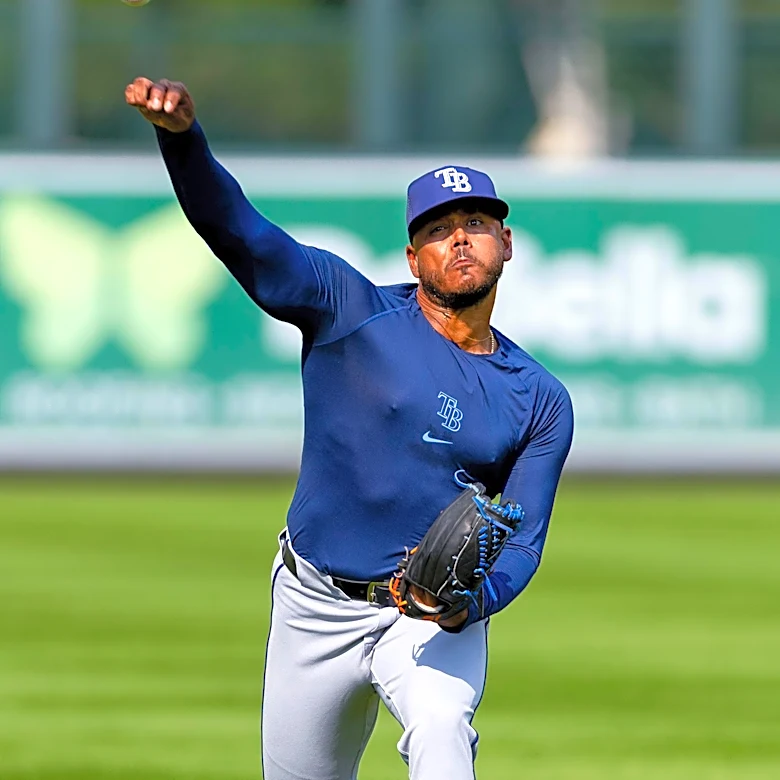
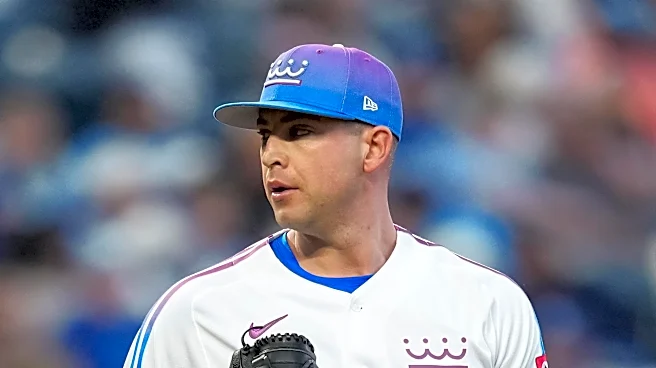
In the Luis Garcia Jr. trade that sent him to the Yankees, the Nats acquired two big-league-ready bullpen arms in Yovanny Cruz, a rookie with a devastating slider and great strikeout stuff, and Jake Bird, a veteran who has struggled the past two years but has shown sustained success before.
For Foster Griffin, the Nats acquired their new best left-handed reliever in the bullpen, Will Dion, a 26-year-old who was tearing up Triple-A this season and has flashed potential in the big leagues so far in 2026.
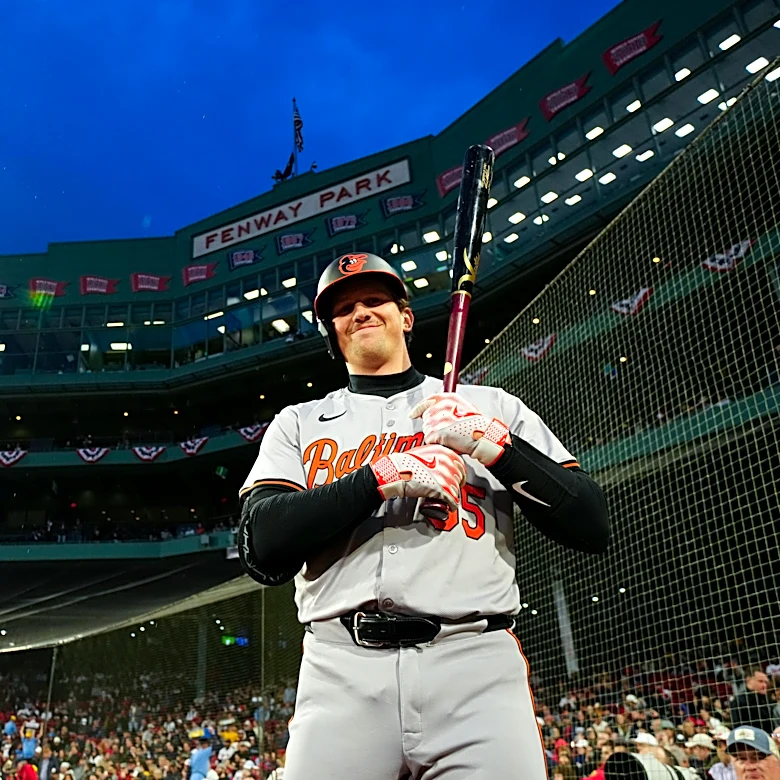
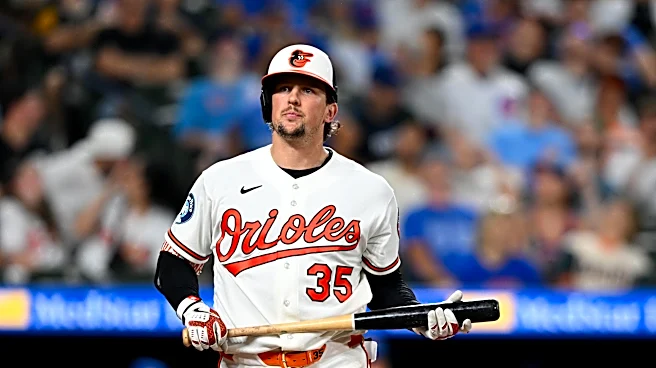
In all three of those deals, the Nationals gave away a big league asset, some expiring like Griffin, some not like Garcia Jr. and Mead, and acquired a big league asset in return, as well as more in the cases of the Garcia Jr. and Griffin trades. They added 4 new major league-ready pitchers at the deadline, while giving up zero prospects to do so, with the only prospect who was moved being Christian Franklin, who was sent to the Orioles in exchange for 25-year-old right-handed pitcher Joe Glassey.
Obviously, the Nationals will need to send some prospects packing eventually, hopefully in exchange for controllable pitching, but that can always wait until the offseason, where there is more time to survey the market and find a price you’re willing to pay. What the Nats did do this deadline, however, was add pitchers that they can rely on not just down the stretch of this season, but in future seasons. Early should be a mainstay in the Nats’ rotation for many years. Cruz has 8th- or 9th-inning type stuff, Dion is a nice, reliable lefty for the pen, and Bird has the potential to revert back to his 3s ERA form.
What the Nats buy and sell strategy also tells me is they believe that while the club wasn’t quite ready for a playoff push this season, they aren’t far away, and they wanted to acquire talent that could help them achieve the vision in the next year or two, and deeper in the case of Early, Cruz, Dion, and the multitude of pitching prospects they acquired. By holding onto their prospect talent, they gave themself more trade chips to use this winter, where prices for pitchers like Reid Detmers and Hunter Greene, who weren’t moved this deadline, will be lower than they would’ve been at the deadline.
Some fans will undoubtedly be frustrated by the lack of prospect names they recognized in the returns at the deadline for Garcia Jr. and Griffin. But the reality is they got something even more valuable than a team’s 20th-ranked prospect in those deals: big leaguers who have shown, at least on some level, that they belong at the level. Not only can arms like Cruz, Bird, and Dion help settle down a bullpen that has been imploding all season, but they can help do the same in future seasons as well.