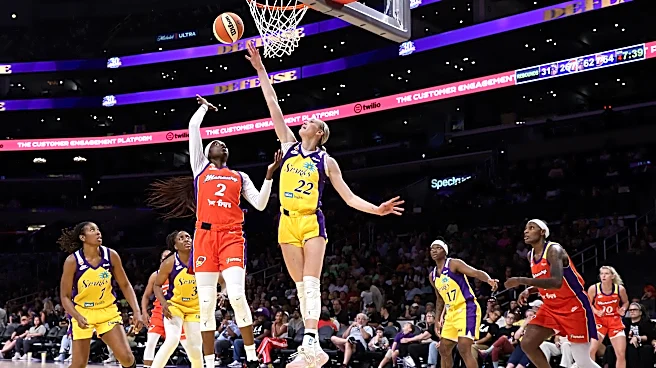



As the WNBA returns from the All-Star break, the league’s best teams are all ramping up for one last push into the playoffs.
Is there anything holding them back? Here’s the one weakness that could define each contender’s postseason fate. In the comments, let us know if you agree, while also sharing any other concerns you have about your favorite team.
Minnesota Lynx: Defensive rebounding and frontcourt size

The Lynx are the only team in the league that are elite on both sides of the ball.
They have both a top three offense and defense. However, the one glaring
issue with their defense is rebounding.
This is important when you consider that a possession doesn’t end until a rebound is secured. It can have rippling effects on the rest of the areas in which they excel. Last year, they had the No. 1 defense and ranked 12th out of 13 teams in defensive rebounding value, according to databallr. In 2024, they were eighth, and in each of the last two playoff runs, it has plagued them down the stretch of games against more physical teams.
It’s the consequence of downsizing for elite shooting and perimeter mobility, which the team has accepted; however it remains an important footnote to remember as they approach the August schedule where they will see Atlanta, Golden State, New York, and Washington, all of which are either great offensive rebounding teams and/or have a much bigger frontcourt.
Las Vegas Aces: Lack of depth

The same issues that plagued the Aces during the first half of 2025 have returned.
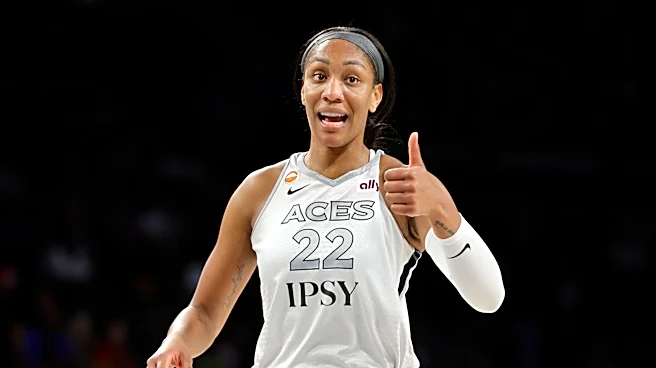
Perhaps, the Aces ignored the glaring flaws in their roster because they won the championship, but they continue to struggle getting stops with rebounds. A’ja Wilson has done her part on the glass, as has NaLyssa Smith, but the reserves have struggled mightily.
Their switching defensive scheme has been much less effective this year. What was the staple of their midseason turnaround last year, is now conceding a dreadful 1.15 points per play on all actions in the month of July. Without any reliable wings or frontcourt depth, it’s likely that the Aces will these a team or two in the playoffs that might challenge these issues–and they might not have a good answer.
Golden State Valkyries: Stagnant offense

It’s hard to really nitpick a team that compiled the longest winning streak of any team this year, but Golden State has struggled at times stringing together consistent offense for a full 40 minutes.
Head coach Natalie Nakase has mentioned that their defense fuels their offense, and Golden State has the best defense in the league so far. However, this team is very reliant on shots coming from drive and kicks, which can easily be thwarted against a good defensive unit that doesn’t overhelp on drives and can rebound the ball well.
The Valkyries rank 12th in offensive true shooting value, which measures how efficient your team is scoring on its possessions. The defensive intensity and relentless motor they bring on a nightly basis gives them an unbelievable floor that keeps them in contention for the No. 1 seed; however unless the offense improves, they are probably one of the main teams on upset alert as we get closer to the playoffs.
Dallas Wings: Defense and physicality

For Dallas, it’s as simple: Can they get stops?
They have the worst defensive rating of all the playoff teams, primarily because they lack the size at the wing and frontcourt positions. Azzi Fudd and Awak Kuier have been their best defenders this year, but the frontcourt often gets bullied against more physical centers and all the guards struggle with containing drives.
The Wings have a potent offense that can compete with anyone, especially in clutch time, but a 111.0 defensive rating in those minutes signals roster and schematic issues that might put a ceiling on this season.
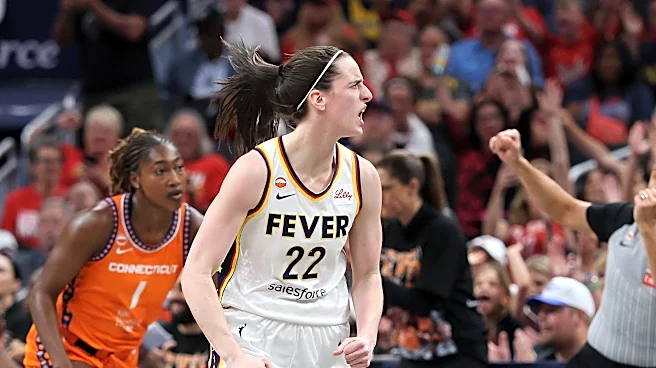
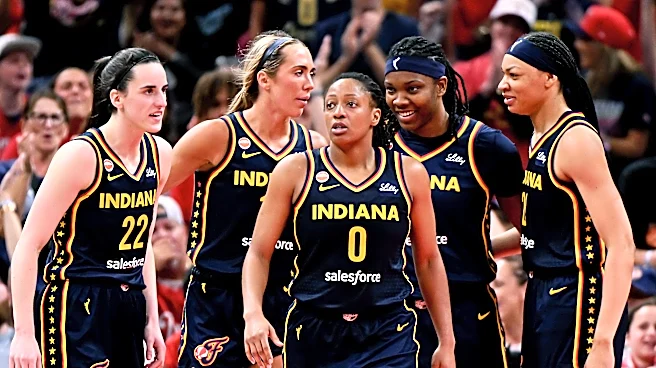
Indiana Fever: Defense and fouling

Indiana is barely ahead of Dallas in defensive rating, so it’s apt to put this as a concern for them as well.
What stands out to me about Indiana’s defense is how often they foul, not only compared to the rest of the league this season but also to other mediocre defenses in season’s prior. The Fever rank 14th out of 15 teams in opponent free throw rate, which measures how often a defense sends opponents to the line relative to the opponent’s shot attempts.
Some of this is a byproduct of the freedom of movement officiating emphasis; however a lot of it also stems from the fact that their perimeter players struggle containing drives, which is compounded by how some of their frontcourt players struggle with staying disciplined.
Indiana was 11th out of 13 teams last year in opponent free throw rate and they still managed to put together a memorable playoff run; however, you never want something as controllable as fouling to be the thorn in your side come playoff time.
Atlanta Dream: First-chance offense

The Dream have lost quite a few games this year simply due to their inability to score.
They have absurd defensive talent and are once again awesome at taking care of the ball and gaining extra possessions. But, they rank 11th in offensive true shooting value and are shooting well below average from every area on the floor.
Head coach Karl Smesko hasn’t been too concerned with these struggles. There has been some cold shooting from players like Allisha Gray and Naz Hillmon that have played a factor in this, but they also don’t have a go-to player to create consistent advantages.
Brionna Jones could be that missing piece that helps Atlanta play in a more structured way, and she also makes them a more dangerous offensive rebounding team next to Angel Reese. Still, if the first chance offense doesn’t improve, it can easily be the weakness that drowns out some of their biggest strengths.
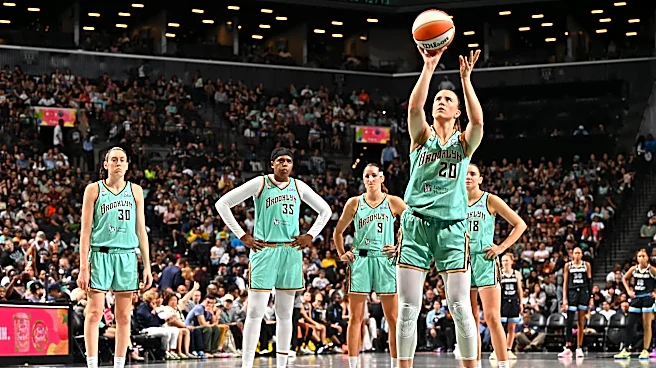
New York Liberty: Athleticism, health, and the margins

These aren’t necessarily quantifiable weaknesses, but the Liberty not having Leonie Fiebich, Satou Sabally and Sabrina Ionescu for most of the year has put them in a bad situation where they’ve had to rely so much on Breanna Stewart’s brilliance to stay afloat in the standings.
Now that Ionescu is back, the offense looks better, but the team still struggles with shot quality. The Liberty put very little pressure on the rim and take way too many 3s early in the shot clock.
Most concerning of all, they turn the ball over a lot (12th in offensive turnover value) and don’t force any turnovers on defense (15th in defensive turnover value), which puts them in a bind against some of the best offensive units in the league. Some issues can be fixed by simply getting their best players back healthy, but something as important as the margins doesn’t get fixed without multiple ballhandlers and lockdown defenders.
Washington Mystics: 3-point shooting and turnovers

If the season ended today, the Washington Mystics would have the 14th ranked offense in the league.
That puts them very close to rarified air: becoming the first team since the 2004 Minnesota Lynx to make the playoffs with the worst offensive rating in the league. It’s a credit to their defense that they’ve exceeded expectations this year, but this is by far one of the worst 3-point shooting teams in the league.
The Mystics are shooting only 29 percent from 3 on extremely low volume and they turn the ball over at a historic rate. The team ranks dead last in offensive turnover value, a full point worse than the next closest team. Head coach Sydney Johnson and the players talk about limiting turnovers as a point of emphasis, because it makes it so much harder to win games when opponents are taking five to 10 more true shot attempts each game due to turnovers.