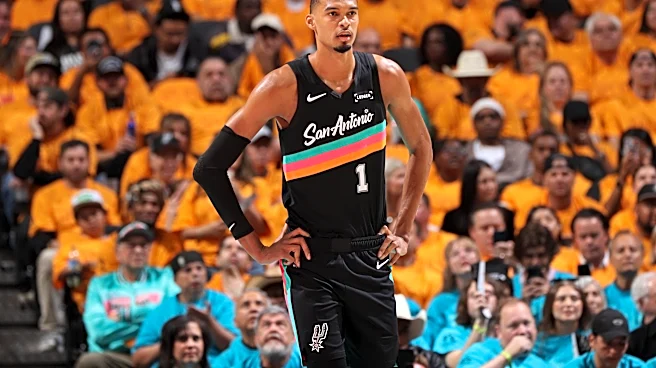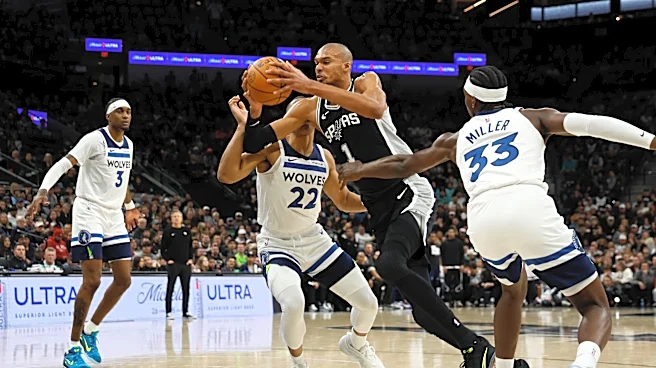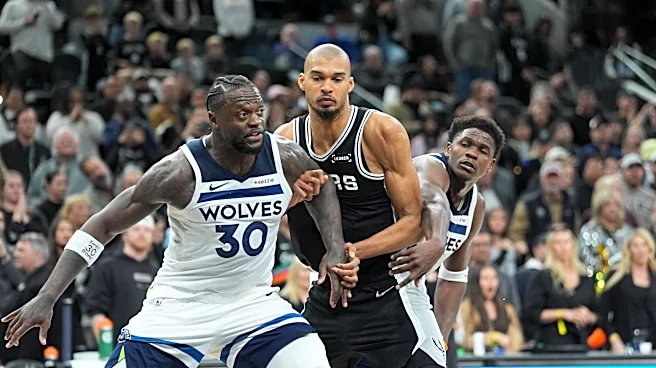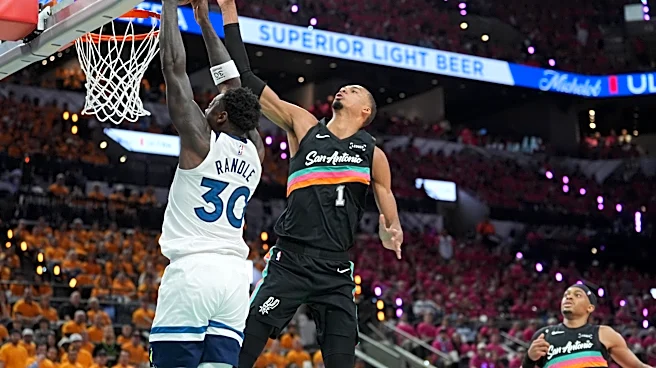





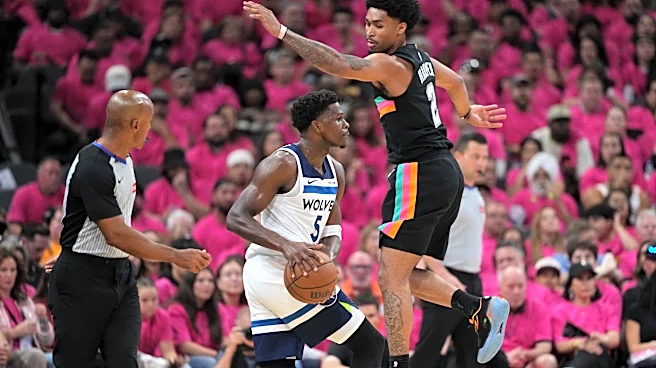
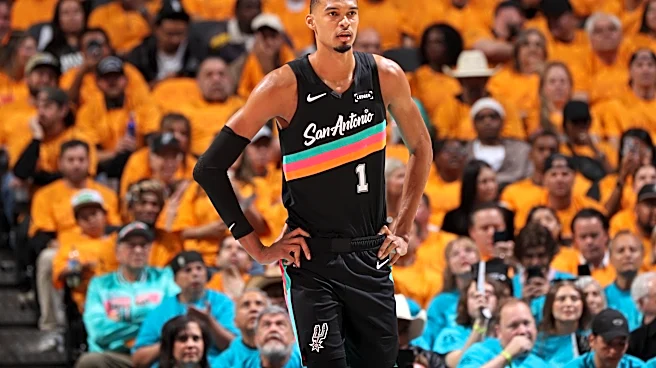
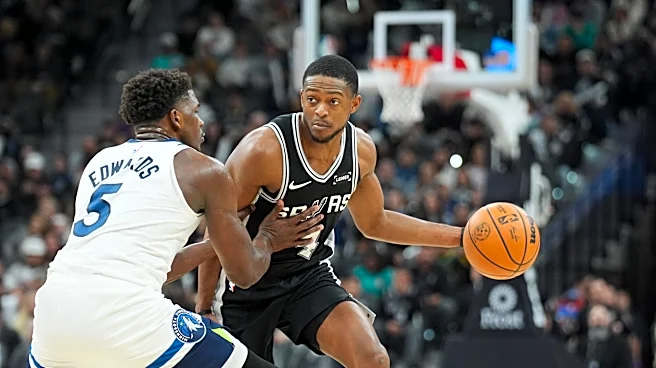
Arrghhhh! How different would I feel if Champagnie had made that last shot? I could view Game 1 as a regrettable offensive underperformance that ultimately cost San Antonio nothing; in fact, it might have been framed as an event which underscored the power of Wemby’s defensive brilliance in the face of scoring struggles that are unlikely to recur. Instead, this game goes into the history books as a painful missed opportunity.
Even so, one saving grace of the analytics enthusiast is that the blow imparted
by disappointing events can be mitigated to some extent by how interesting that stats associated with those events are, and this contest produced some wild numbers. Let’s review:
Note: Now that we’ve moved into the postseason, the reference period used for grading changes from the set of regular season games since 2012-2013 to the set of postseason games since 2012-2013. Unless otherwise noted below, this set DOES include play-in games. As of the end of May 4, 2026, this group include 1,171 games.

Factors that decided the game
- At the end of the day, very little separated these teams. San Antonio had one more turnover, but also one more offensive board, and the teams were dead-even in defensive rebounds.
- San Antonio did commit three more fouls, which helped Minnesota earn a FTA margin of +3. However, the Timberwolves dreadful FT% (57.14%) resulted in them actually having a FTM differential of -2.
- With a two-point edge at the free throw line, San Antonio lost this game from the field. Minnesota leveraged a small advantage in field goal attempts (+3), as well as a tiny edge in FG% (+0.73 percentage points) to generate a FGM margin of +2.
- The Spurs’ inefficiency from distance was absolutely critical in this game, as both teams made 10 threes despite San Antonio having 10 more attempts. A perfectly average performance in this area would have generated three more made threes for San Antonio, which would have been enough to win the game. Wembanyama and Fox were the key culprits behind this failure, as they went a combined 0-of-12 from distance.
Rare Box Score Stats
- As you might imagine, there’s a lot to talk about here with respect to Wemby’s blocks. First and foremost, Victor is the only player ever to record 12 blocks in a playoff game. In fact, since the 1996-1997 postseason the previous high in a true playoff game had been 10, achieved by Andrew Bynum in a 2012 playoff contest against the Nuggets.
- Second, Wemby has the highest total number of blocks recorded in the first five games of a playoff run (28) during the same 30-season period. The previous high was 27, set by none other than Tim Duncan in the 2001-2002 postseason.
- Finally, with 25 blocks in his last three games, Victor absolutely crushed the previous record for most blocks in a three-game playoff stretch over the same 30-season period. The previous record was “just” 19, achieved by Tim Duncan in 2002-2003 and Serge Ibaka in 2010-2011.
- One could easily argue that Minnesota should have won this game much more comfortably, since they failed to earn nine of 21 possible points from the charity stripe. In fact, this was just the 21st postseason game since 2012-2013 in which a winning team had a FT% no better than 57.14% on at least 21 attempts (that’s a frequency of about once in every 56 postseason games).
- Relatedly, this is just the ninth time in 1,171 postseason contests since 2012-2013 (i.e., just over once per 130 games) in which a winning team had FG% and FT% differentials no better than +0.73 and -20.63 percentage points, respectively.
What are Team Graded Box Scores?
Very briefly, these box scores grade winner-loser differentials for basic box score statistics, with the grade being based on the winning team’s differential relative to other NBA winners during a defined reference period. Think of it like a report card for understanding how a given winner performed relative to other winners. The reference period used runs from the start of the 2012-2013 season to the latest date of play, including only games in the same season category (i.e., regular season and playoff games are not compared to each other).
Data Source: The underlying data used to create these box scores was collected from Basketball Reference. In all cases, the data are collected the morning after the game is played. Although rare, postgame statistical revisions after data collection do occur and may affect the results after the fact.