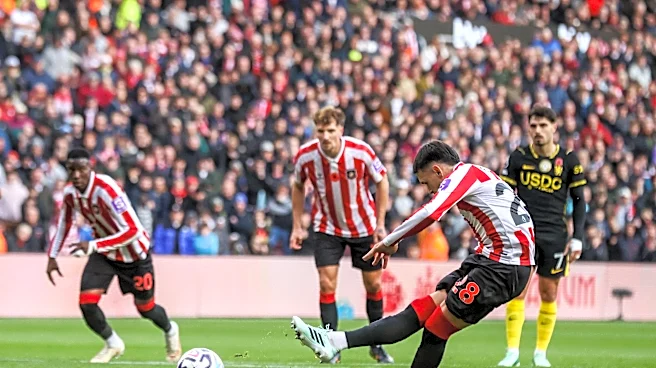





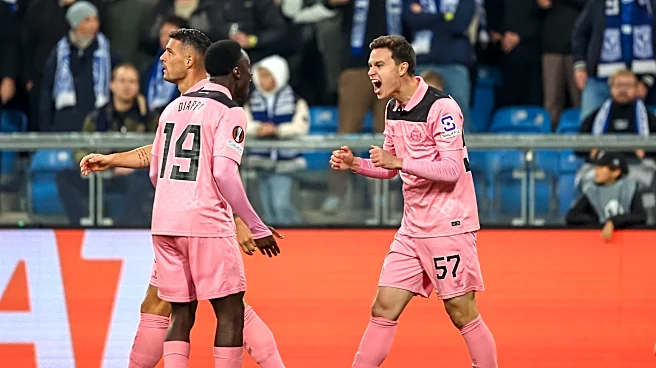
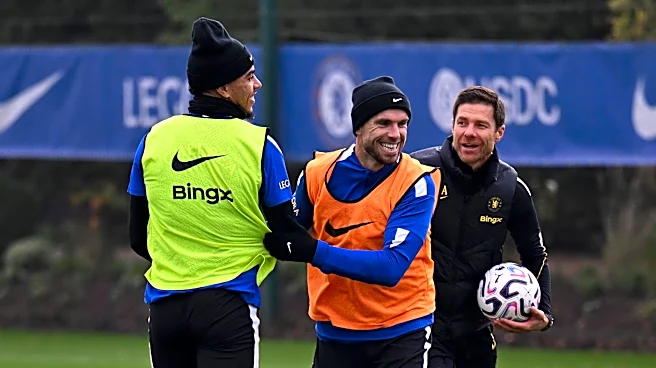
As Sunderland celebrated a thoroughly deserved win over a skilled yet noticeably lightweight Chelsea side before the Premier League broke for the latest round of internationals, it felt as though the stark reality of our position going into the game had dawned on the players, inspiring them to finally find the spark that was needed to deliver a win.
After a largely dismal opening nine games of the Premier League season — coupled with last Thursday’s lifeless reverse at the hands of Dinamo Zagreb — the Lads
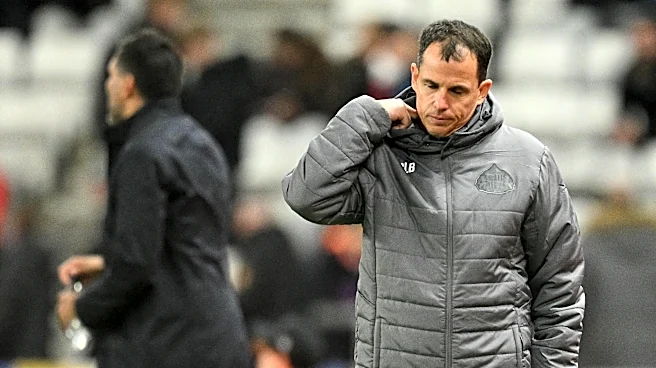
were in desperate need of a boost from somewhere and perhaps more importantly, Régis Le Bris needed his players to back up their recent post-match sentiments about how they were fully behind him and that they needed to take more responsibility.

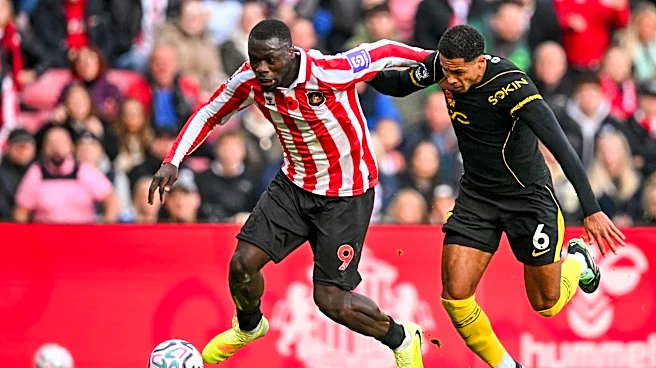
Thankfully, that’s exactly what happened as we recaptured much of the essence of what made us such a formidable opponent at home last season, and with Brian Brobbey reducing Chelsea’s central defenders to rubble, the end result was a win that sent everyone into the break with renewed belief that we can escape the self-created mess into which we’d been plunged.
However, one victory does not mean that all is rosy in the garden and that all of the ills have been cured.
Indeed, the question must be asked: why did it take Sunderland dropping to twentieth place for this kind of performance to emerge? Why did the players only seem to summon the level of application to match their ability when the pressure was at its most intense?
The harsh reality is that the situation in which we find ourselves is the result of collective failures from the players, coaches and higher-ups at Sunderland. Does a vision remain in place? What’s Florent Ghisolfi aiming for this season? Valid questions and ones from which we shouldn’t refrain from asking.
Despite his errors and tactical missteps, Le Bris is a principled coach; a man of integrity, yet he’d been let down badly by his players on too many occasions this season.
Despite the narrow margin of victory, Sunday felt like a game in which the dial was reset to a neutral position. He needed a response and he got it with a display that was typified by the relentlessness of Jules Ahoka, but backing it up when we resume will be an altogether trickier task.

Somewhat unpleasantly, there are plenty of historical reference points for Sunderland.
From 2007 to 2017, there were countless occasions on which we flirted with disaster and needed to eke out unlikely wins against heavyweight opponents in order to keep ourselves afloat.
That’s a cycle we can’t afford to repeat. The consequences would be too severe otherwise, and I do feel that we’re going to have to visit some of the league’s trickier venues — perhaps Elland Road, Anfield or the AMEX — and pick up a win or two if we want to ensure that any nerves are calmed.
Broadly, I do believe that standards have dropped alarmingly at the Stadium of Light after an unforgettable 2025/2026 campaign.
The ability of these players is in no doubt but I’m sorry: their attitude and application on the domestic front had simply not been good enough prior to Sunday, and that was embodied by the standard of defending on display as Jack Rudoni twisted the knife for Coventry during our previous league outing.
Call it “entitlement” or discuss whether expectations had been raised to unrealistic levels, but six months prior, we lauded these lads as some of the greatest ever to wear the red and white stripes; the history-makers, the players that took us into unexplored territory. They certainly haven’t lost their ability but let’s hope that everything else can slot into place as well.
There was a very good reason that we didn’t lose a home game in the league until March of last season: we were ferociously competitive and even if the football wasn’t always scintillating, our work rate and sheer bloody-mindedness often made up for that.
The dressing room will doubtless have been altogether happier on Sunday evening, with belief restored and confidence returning, but can we recapture the spirit of 2025/2026 while continuing to develop a style of play into which everyone can buy and a system that brings the best out of the players? We need to. It really is that simple.
After a turbulent week, it felt as though Sunday could easily have been Le Bris’ swansong as Sunderland head coach.
Had it gone wrong, the cracks in the ice would’ve surely widened and it was a relief to see that — for ninety minutes at least — his players were able to deliver a performance that whilst not perfect, felt more in line with what we should rightly expect.
You could argue that the international break has arrived at an unfortunate moment as another league game this coming weekend would represent a good chance to continue to build. As it is, everyone can pause for breath, take stock and gear themselves up for a daunting run of games from late November into December — many of which could be pivotal.
Hopefully, Chelsea represents the turning point we’d all been searching for.