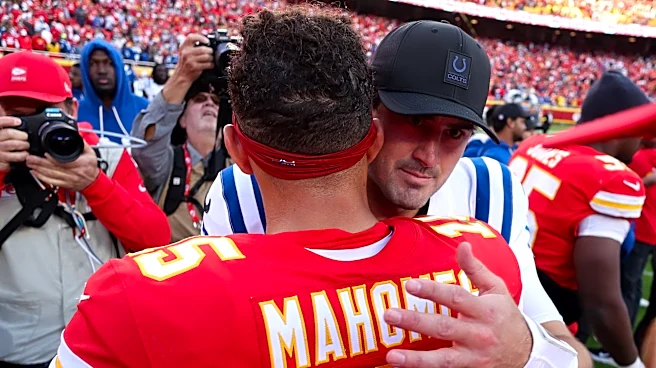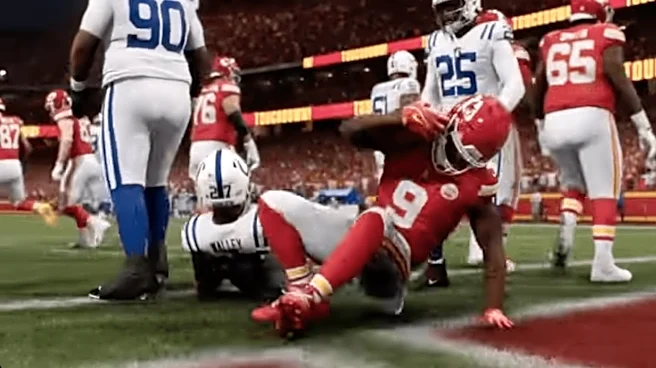




The Kansas City Chiefsneed greater production from their wide receivers, disciplined defense against Indianapolis’ top two weapons and a cleaner performance Sunday night.
Patrick Mahomes showed some understandable rust in his return from a torn ACL, completing 15 of 27 passes for 184 yards, two touchdowns and an interception. Kansas City’s defense and running game controlled the action, but the passing attack struggled to consistently threaten Denver.
That will need to improve when the Chiefs welcome
theIndianapolis Colts to Arrowhead Stadium on “Sunday Night Football.”
Here are three keys to a Chiefs victory in Week 2:
Offensive key: Get the wide receivers involved

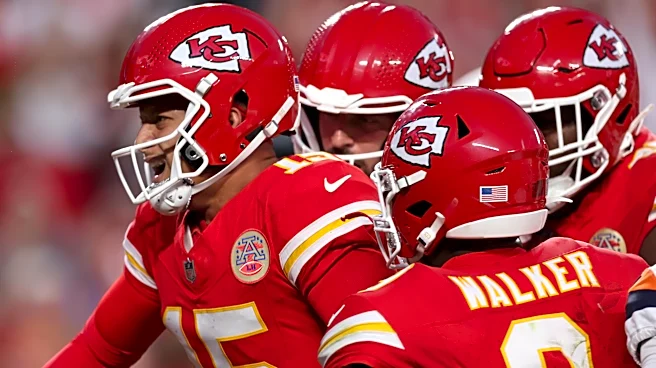
Kansas City’s revamped running game delivered everything it could have hoped for against Denver. Kenneth Walker III rushed for 173 yards, and the Chiefs finished with 208 yards on the ground.
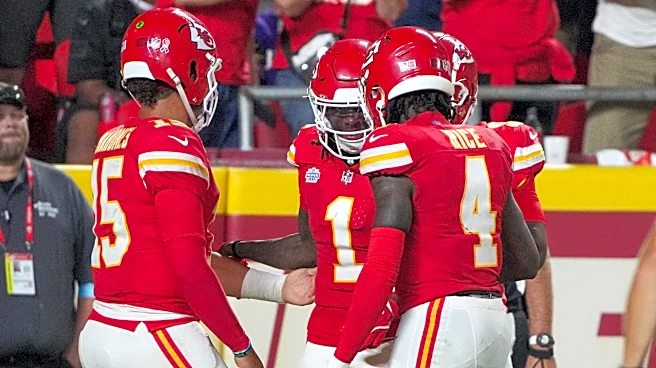
The wide receivers, however, combined for only five receptions and 37 yards. Xavier Worthy caught three passes, while Rashee Rice recorded two receptions — including a 13-yard touchdown. No other Chiefs wide receiver caught a pass.
Mahomes missed a few throws he would normally complete, but the lack of production was not entirely on the quarterback. Kansas City’s receivers also struggled to consistently create separation, continuing one of the offense’s biggest problems from last season.
Baltimore showed how vulnerable the Indianapolis secondary can be. Zay Flowers caught five passes for 150 yards and a touchdown against the Colts — and he produced all of it in the first half before leaving with a hamstring injury. The Ravens finished with 324 passing yards in their 41-23 victory.
The Chiefs do not need one receiver to duplicate Flowers’ performance. They do need their receiving corps to collectively make a much greater impact.
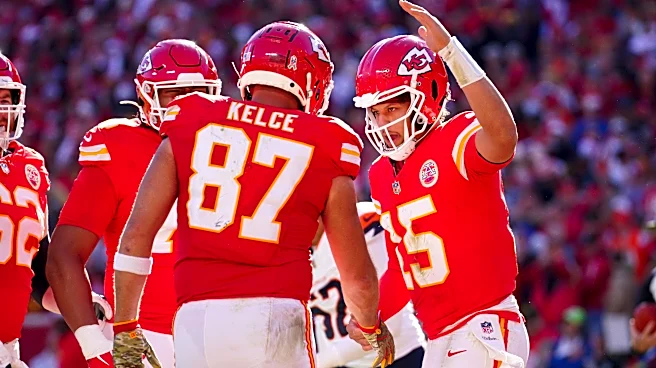
A good benchmark would be at least 150 receiving yards combined between Kansas City’s wideouts. Whether those yards come from Rice, Worthy, Tyquan Thornton or Cyrus Allen matters less than making sure the production is spread beyond Travis Kelce and the running backs.
The running game carried Kansas City in Week 1. To develop into a complete offense, the Chiefs must prove their wide receivers can punish defenses that commit additional resources to stopping it.
Defensive key: Make Bo Nix uncomfortable

Indianapolis’ offense begins with running back Jonathan Taylor.
Even while the Colts struggled in their season-opening loss, Taylor rushed 19 times for 98 yards and two touchdowns. That followed a 2025 season in which he finished third in the NFL with 1,585 rushing yards and led the league with 18 rushing touchdowns.
The Chiefs should not expect to completely stop him. The more realistic objective is to contain him — keeping Taylor near 75 yards and limiting him to no more than one touchdown.
Kansas City held Taylor to 58 yards on 17 carries when the teams met last season. The defense also allowed Denver’s running backs only 54 yards in Week 1, although the Broncos attempted just 11 handoffs.
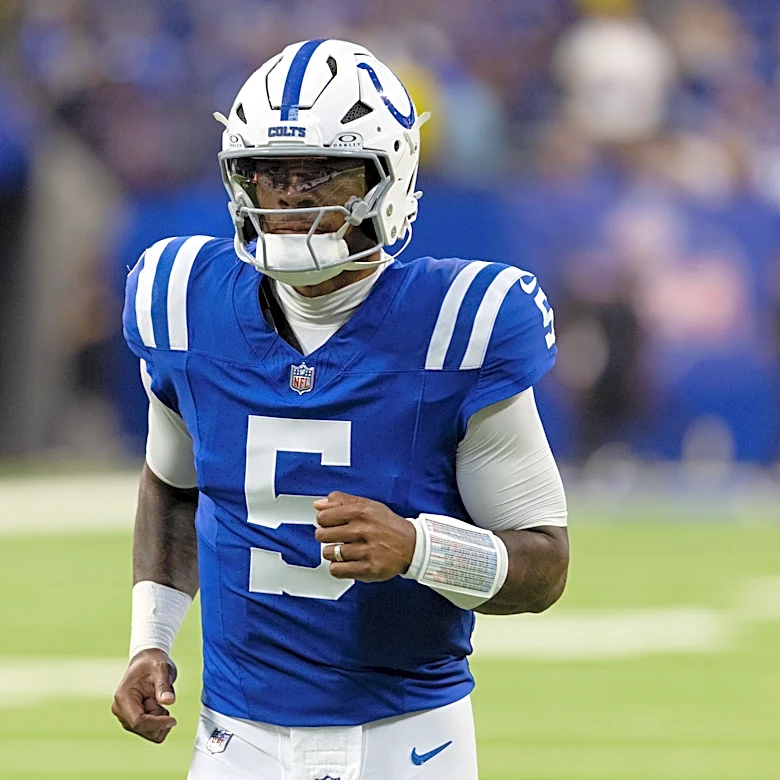
Keeping Taylor under control would put Indianapolis into longer third-down situations and place more responsibility on Daniel Jones, who is still working his way back from the Achilles tear that ended his 2025 season. Jones completed 19 of 31 passes for 166 yards, one touchdown and an interception against Baltimore.
The Chiefs must also account for tight end Tyler Warren, particularly when Indianapolis attempts to create favorable matchups against Kansas City’s linebackers. Warren caught only three passes for 13 yards in Week 1, but one of them produced a touchdown. He is coming off a rookie season in which he recorded 76 receptions for 817 yards and four touchdowns.
Kansas City should avoid leaving Warren isolated against its linebackers in space. Using safety help, mixing coverages and disrupting him at the line of scrimmage would help take away one of Jones’ most dependable options.
If the Chiefs contain Taylor and prevent Warren from exploiting favorable matchups, they can force Jones to carry the Indianapolis offense.
X-Factor: Win the field-position battle
The Chiefs overcame seven penalties for 60 yards against Denver, but that is not a habit they want to carry forward.
Penalties repeatedly hurt Kansas City last season. The Chiefs finished with 119 accepted penalties for 951 yards, including a 10-penalty, 119-yard performance in their Week 13 loss to the Dallas Cowboys.
Kansas City was good enough to overcome its mistakes against Denver, but the Chiefs cannot continue giving opponents free yardage and additional opportunities.
Offensively, holding penalties and false starts can turn manageable situations into second-and-long or third-and-long. Defensively, penalties that produce automatic first downs can keep drives alive after the unit has done everything necessary to get off the field.
The Chiefs should aim to stay below five penalties Sunday night. Against a Colts team trying to rebound from a difficult opener, Kansas City cannot provide assistance by extending Indianapolis drives or stopping its own momentum.
The bottom line
The Chiefs cannot expect Kenneth Walker III to produce 191 yards from scrimmage and two touchdowns every week.
Kansas City needs its wide receivers to combine for at least 150 receiving yards and provide Mahomes with consistent options in the passing game. Defensively, the group must contain Jonathan Taylor, limit Tyler Warren’s favorable matchups and force Daniel Jones to carry the Colts’ offense. The Chiefs must also avoid costly penalties that extend Indianapolis drives or put their own offense behind the chains.
If Kansas City can accomplish those three things, it will have an excellent opportunity to defeat the Colts on Sunday night and improve to 2-0.