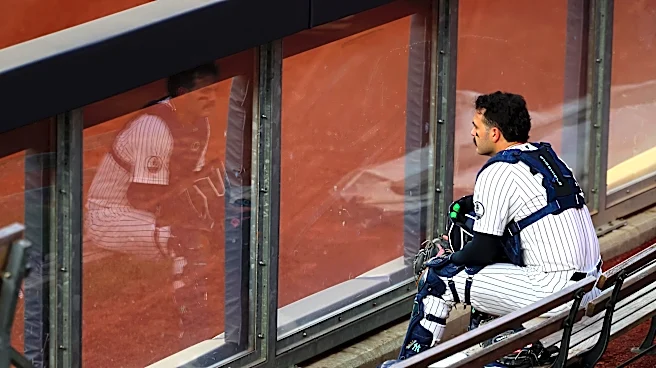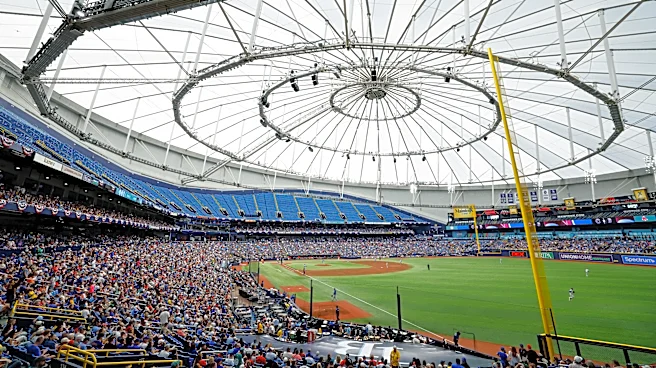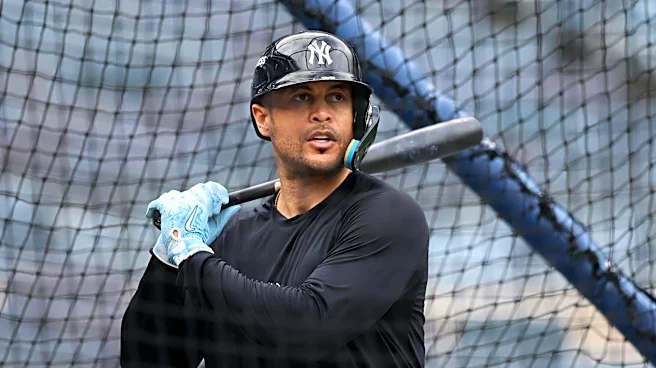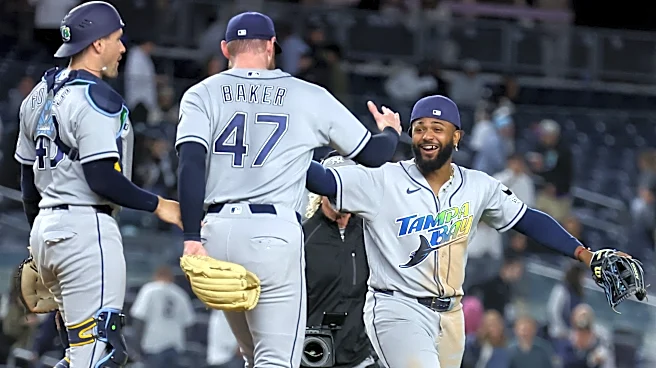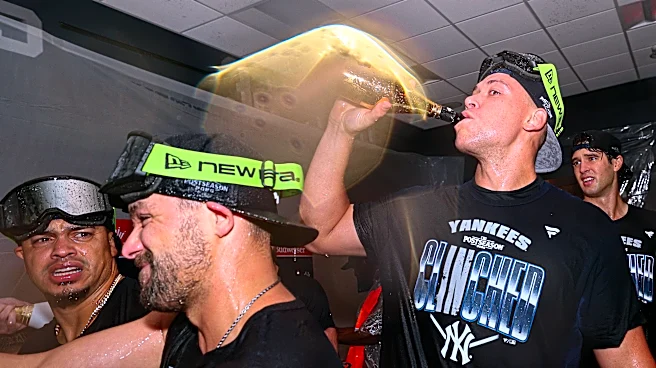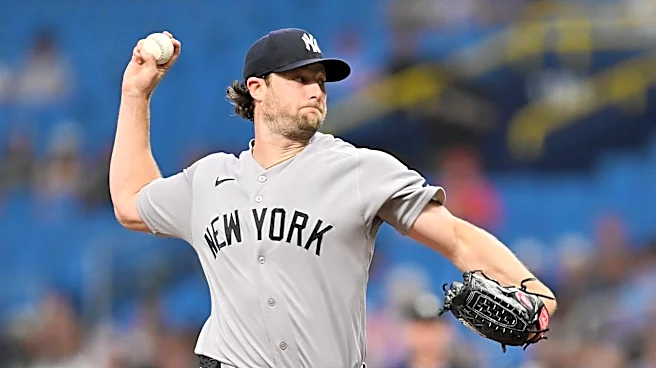


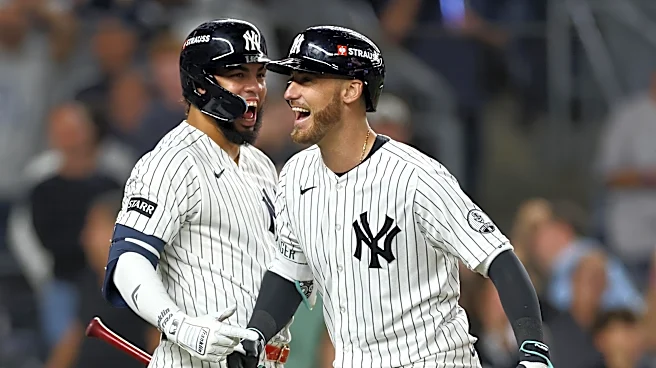
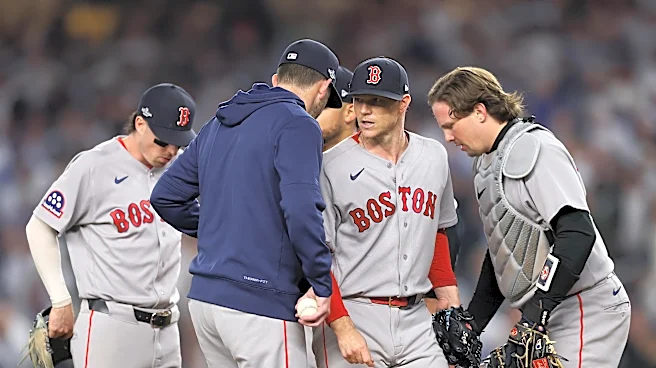
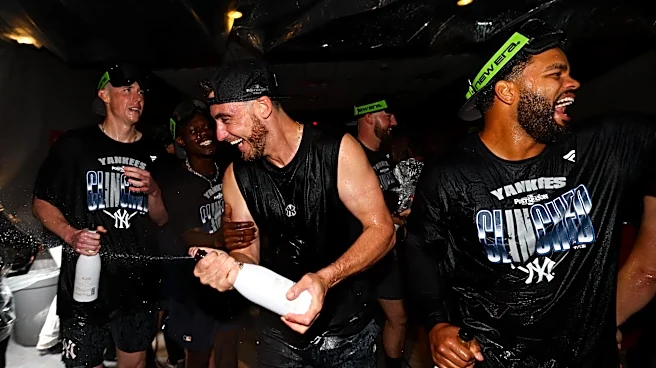
Sweeping the Red Sox with two blowout wins was a joyous occasion, not to mention the tangible positive impact of setting up your rotation for the ALDS. The Yankees can begin the series against the Rays with Gerrit Cole as the Game 1 starter, which is only fitting considering Cole’s regular-season campaign in 2026 began and ended against the Rays, both times with a quality start.
Making his postseason debut this season, Cole will get the ball after nearly a week and a half off, his longest time between
starts since returning from injury. In three appearances against the AL East champs in the regular season—the most he had against any single team—Cole averaged six innings and delivered a 2.50 ERA, enjoying success against a team not known for its home run pedigree.
Having last played a competitive meaningful game well before the end of the regular season, the Rays will set out to prove there is no rust in their game with Drew Rasmussen starting Game 1. Who better to represent what the Rays are all about than Rasmussen, acquired for the power-hitting Willy Adames as a swingman/backend starter, only to turn into one of the more dominant starters in the AL?
The postseason scenario and all that it entails could be seen as an opportunity to test the Rays’ resolve when it comes to their ace. Rasmussen was already dominant last season—part of what held him back from entering the conversation with the big boys was just how carefully managed he was by the Rays, who only let him reach or surpass 90 pitches twice in 2025. This year, Rasmussen has done that 17 times, including a career-high 114 pitches in a win over the Yankees just a couple of weeks ago—one in which perhaps the Rays gave a sign of their intentions with a trial run. With this extra leeway, Rasmussen managed to pitch 22 more innings than last season despite having one fewer start (31 to 30).
Rasmussen’s ability to go deeper into games than what we’re accustomed to seeing not only from him but also from the Rays as a team is of great value—especially if we are to read into regular season numbers. As much as the Yankees may have a better rotation, perhaps the biggest advantage in this series is in the bullpen. While New York had the second-lowest bullpen ERA in baseball, Tampa was only number 14. The key here, particularly looking at the postseason and a matchup with the Yankees lineup, is that the 95 home runs allowed by the Rays’ bullpen represented the third-highest mark in the bigs.
Then again, this is a Tampa team with the benefit of off-days between each of the first three games. One can only imagine how aggressive they might be willing to go with the likes of Bryan Baker, Cam Booser, and Kevin Kelly. While Baker is the closer, Booser gets the nod as the X-factor for the Rays in Game 1 and this series as a whole—the Yankees were 1-for-10 against him in the regular season, the one being an Austin Wells home run.
Booser’s importance stems from a complete lack of southpaw options for a team whose only other left-hander who finished the season on the active roster was Steven Matz. Garrett Cleavinger was cleared to be a part of the ALDS roster, but his 2026 numbers were quite bad, with an 89 ERA+ in 41.1 innings.
Unlike the Red Sox, all the Rays’ top starters are right-handers, allowing Aaron Boone to utilize his lefty-heavy lineup without fear, starting in Game 1 against Rasmussen. And if Booser can’t shut them down out of the bullpen, Tampa all of a sudden has an incredibly difficult mission to contain Ben Rice, Cody Bellinger, Luis Garcia Jr., and company.
Join the conversation!
Sign up for a user account and get:
- Fewer ads
- Create community posts
- Comment on articles, community posts
- Rec comments, community posts
- New, improved notifications system!
Download the SB Nation app on iOS or Android.