





There’s a cadence to every postseason. Teams get eliminated, and they move into the space the Phoenix Suns currently occupy. The early exit offseason. As these teams book flights to Cancun, their players become names to ponder, evaluate, and wonder whether they are what your team is missing. It’s the natural order.
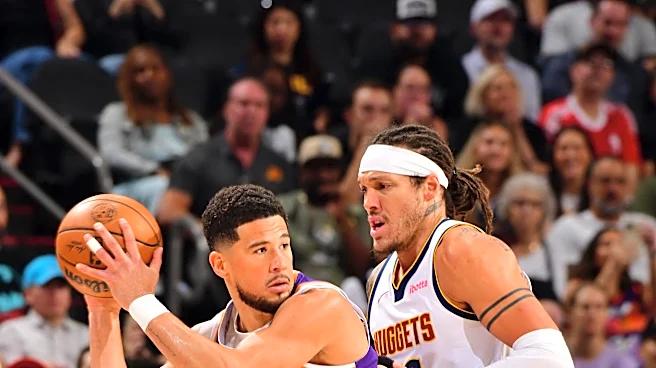
The latest name catching the attention of Suns fans? Former University of Arizona Wildcat, Aaron Gordon.
I get it. I understand the appeal. Power forward has been a problem area for a while.
The roster has felt undersized, and it shows up at the rim. The Suns consistently finish near the bottom of the league in finishing around the basket as well as defending it. So when a name like Gordon is linked, people start connecting dots and picturing the fit.
The reality is pretty simple. There isn’t much Phoenix can offer the Denver Nuggets that moves the needle outside of sending out young prospects. That’s not a deal that makes sense here, and therefore, this one feels dead on arrival.
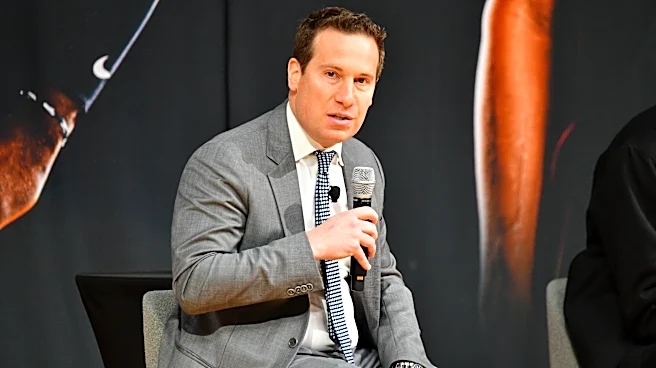
What I do find interesting, however, is the verbiage provided by Brett Siegel, which states that the Suns are a “win now” team.
And that’s where I push back. I’ve said it before, and I’ll keep saying it throughout this offseason. The Phoenix Suns are not in “win now” mode. “Win now” mode is what teams like the Denver Nuggets live in. You have an MVP-level player, you have a real path to a title, and every move is about maximizing that window and competing at the top of the Western Conference.
That’s not who the Suns are right now. Good, bad, or indifferent, that’s the reality. It’s not fun to say. It’s not fun to hear. Your team is not positioned to win a championship next season.
You still have to live in reality. And once you accept that reality, you can start building a plan, both short-term and long-term. A path that puts you in a position to become one of those teams down the line. One that can actually operate in “win now” mode when the time comes.
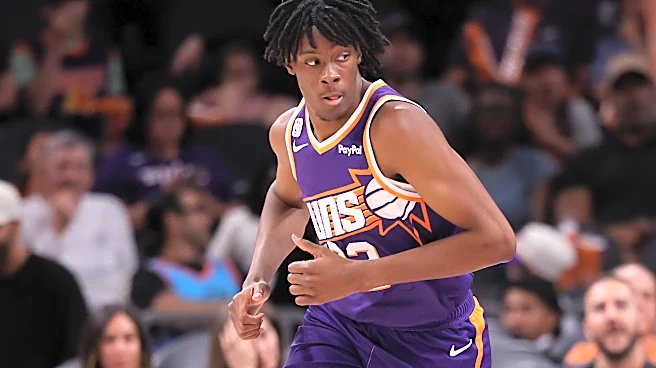
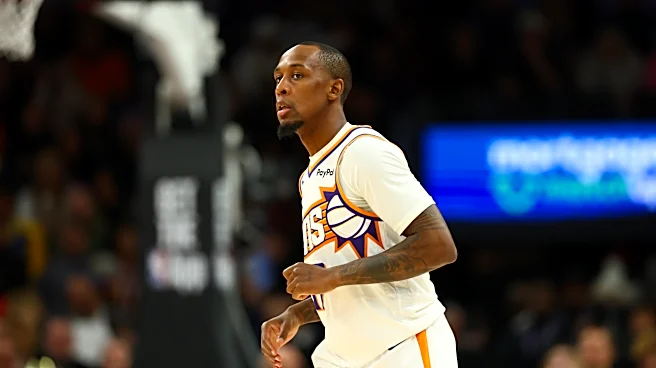
I believe the Phoenix Suns want to run it back, hoping health swings more in their favor. Health never fully cooperates; injuries happen. Still, this team took a hit in 2025-26. Because of that, they never had enough data to truly understand who they are. We can all have our offseason conversations about what they should be and how they can operate better. That’s the fun part. I’m in that group. I don’t want to see three guard lineups. I’d bring Collin Gillespie back as a bench piece. I’d like to see Rasheer Fleming in the starting lineup, sliding Dillon Brooks to the three where he can be a defensive menace. That’s my view. Those are not moves of a team trying to “win now.”
The Suns do have desirable assets, sure. It means you’re going to hear noise from national pundits. It’s going to sound like they’re sellers, and while it would be irresponsible not to pick up the phone and hear offers, it doesn’t mean they’re actively shopping everyone.
The Suns’ priority this offseason should be continuity. Build a foundation and let it grow from a consistent place. You don’t plug in new pieces and expect chemistry to match overnight.
I’m currently watching Untold: Jail Blazers on Netflix, and one of the main takeaways from Rasheed Wallace, Damon Stoudamire, and Bonzi Wells is how fragile chemistry can be. That team was 12 minutes away from knocking off the Los Angeles Lakers in Game 7 of the 2000 Western Conference Finals. That offseason, a lot of the fringe pieces got swapped out. In came Shawn Kemp, Dale Davis, and Will Perdue. The chemistry slipped, and the team finished as a 7th seed.
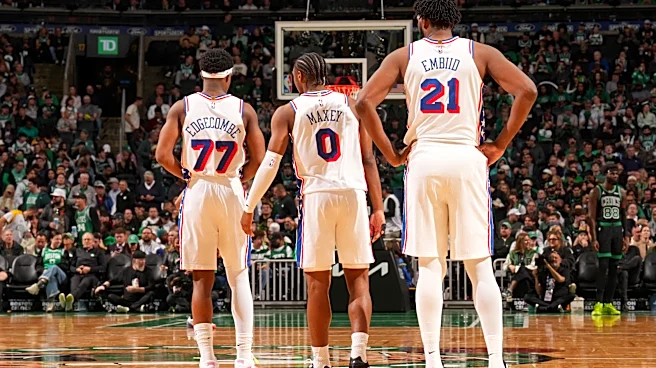
That doesn’t mean the Phoenix Suns ignore the fringes. They should absolutely work those margins. But it doesn’t need to be splashy or dramatic like the national conversation wants it to be. That’s the part the fan base has to accept. When names like Aaron Gordon pop up, pay attention to the teams tied to those reports. You’ll see situations where franchises are trying to sell LeBron James on coming back, or a Boston Celtics group that just got bounced in Game 7 and sits closer to a title than Phoenix does right now. Both of those are “win now” teams as they are entering eras in which the window might be closing or is still wide open. That simply isn’t where Phoenix is right now.
Progression for Phoenix next season is clear. They need to win more games, climb the standings, and perhaps get a round, maybe two, in the postseason. That’s a win. That sets up a different conversation a year from now. Right now, this isn’t a team operating in “win now” mode. They’re building culture, leaning into continuity, and doing it in a responsible way.
This is the part of the cycle where patience feels like inaction, even when it’s the smarter play. Phoenix doesn’t need to chase noise to prove intent, it needs to define itself with clarity and consistency. Let the roster breathe, let roles settle, and let progression happen on its own timeline. If that foundation takes hold, the window everyone wants to force open now will come into focus soon enough, and it’ll actually mean something when it does.