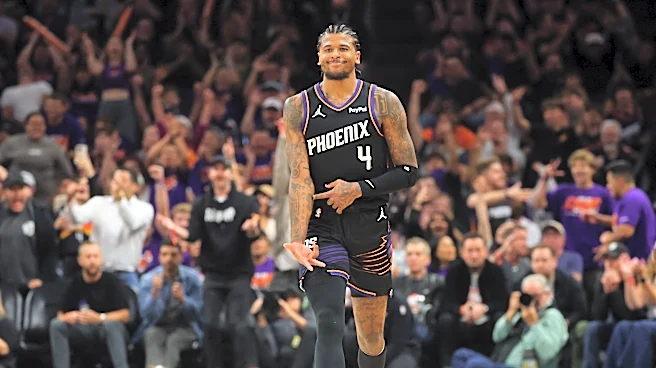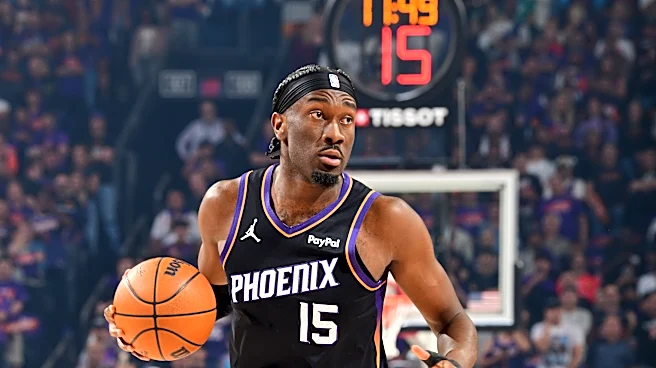





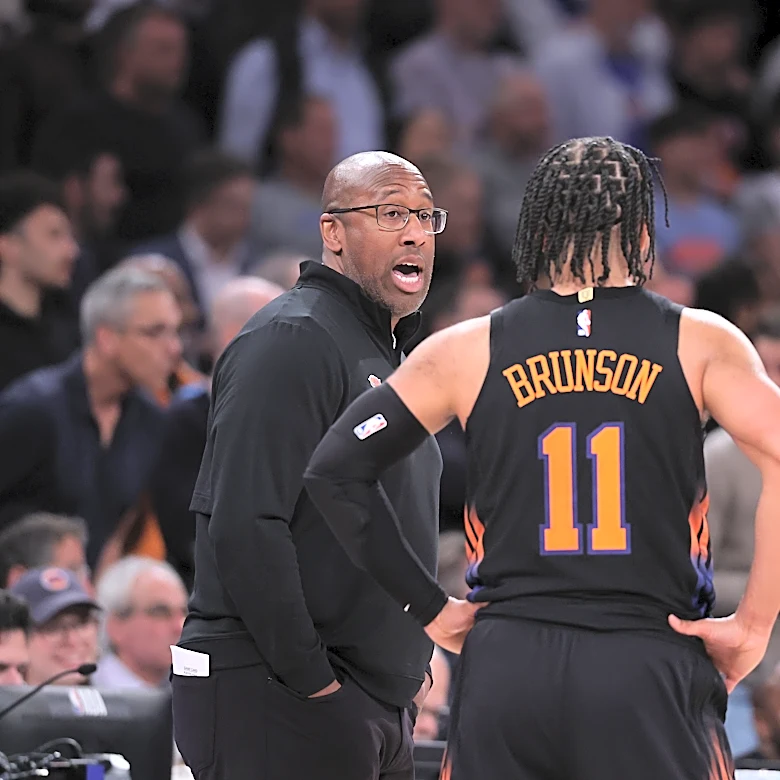
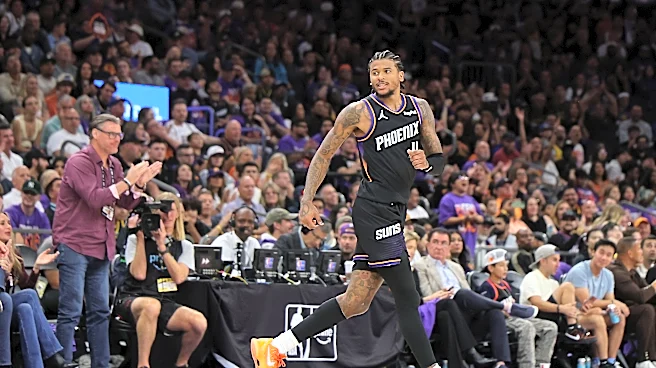
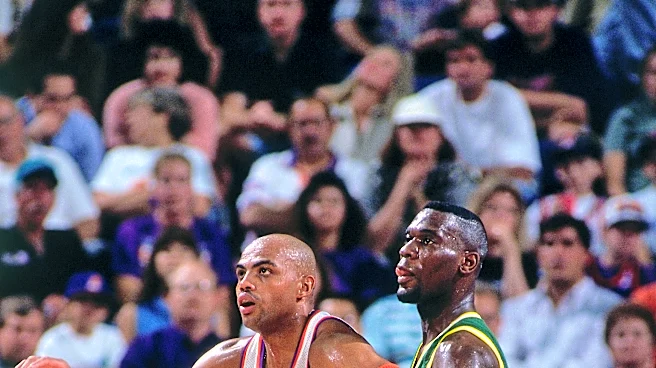
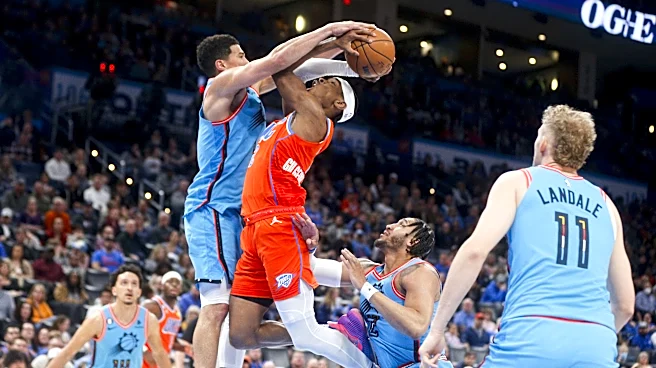
Mark Williams put together a career year with the Phoenix Suns, appearing in 60 games and clearing his previous high by 16 after playing 44 last season with the Charlotte Hornets. Production followed. He averaged 4.7 field goals on 7.3 attempts, good for 64.4% from the field, the kind of efficiency any team feels when it disappears. His 11.7 points and 8t rebounds are not career highs, but that speaks more to role than ability. When he is involved, when the offense flows through him, Williams produces.
It feels tied to the system as much as anything.
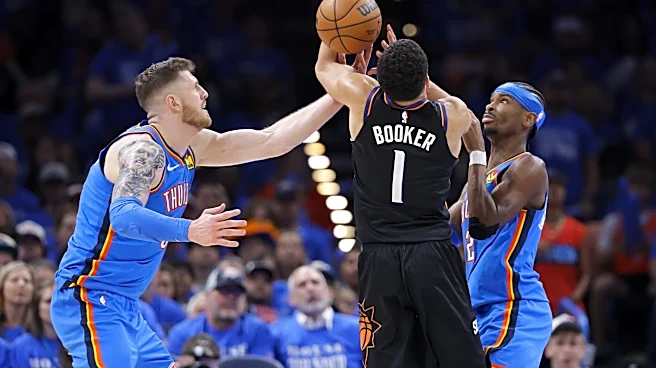
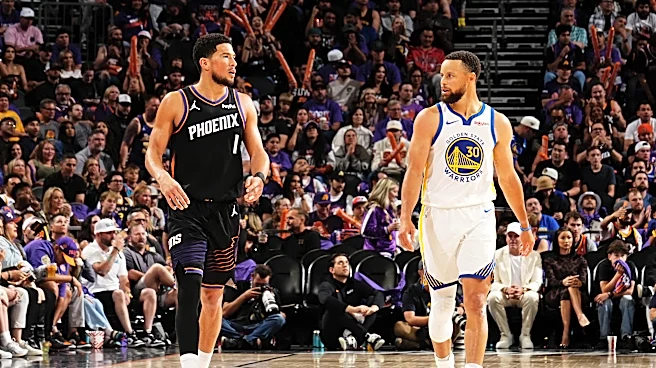
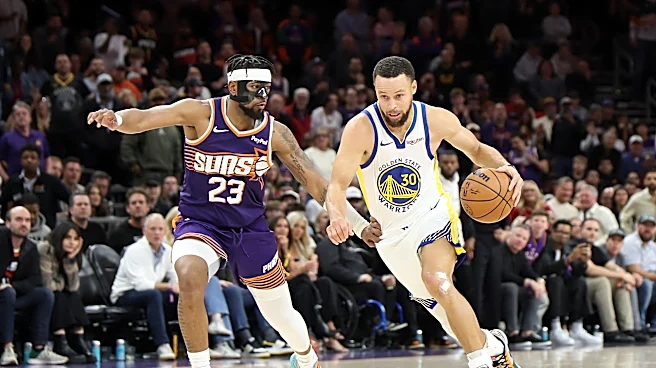
We saw a glimpse of the Suns’ first Play-In game. 22 minutes, 2-of-3 from the field, 4 points, 4 rebounds, 2 assists, 3 blocks. Then he was gone from the fourth quarter. He missed the win-or-go-home game against the Warriors. He missed Game 1 against the Thunder.
Now the reporting shifts. The injury may be more serious than expected, and there is a real chance he misses the entire postseason.
Mark Williams is a clean snapshot of the Phoenix Suns’ season. He arrived early with energy, production, and availability that exceeded expectations. Over time, that shine faded. The grind of the season showed up, and with it came dips in both production and availability. In the same way the Suns struggled to sustain consistency, Williams followed a similar path. Now it leaves you wondering if we will see him again this postseason.
If that answer is no, the conversation shifts quickly. Availability has always hovered around Williams, and as he enters the offseason as a restricted free agent, that reality matters. Teams always need size, but unless you are elite, the market has its limits. You are not handing out major money without certainty, not in a league where managing the cap requires precision and discipline.
This season, Williams was valuable. At $6.3 million, his production and presence made sense. But projecting forward is where it gets complicated. What is that number now? What are you comfortable paying for a player who fits, who provides something unique, but is not always there when you need him?
Because that is the part that lingers. In games like the Play-In against the Warriors or this series against the Thunder, you need him on the floor. His skill set matters. His presence matters. But none of it carries weight if he cannot play.
There will be time for the offseason debate. That is coming. For now, the focus is simple. Will he be available for the rest of this series? If not, those future conversations take on a different tone.