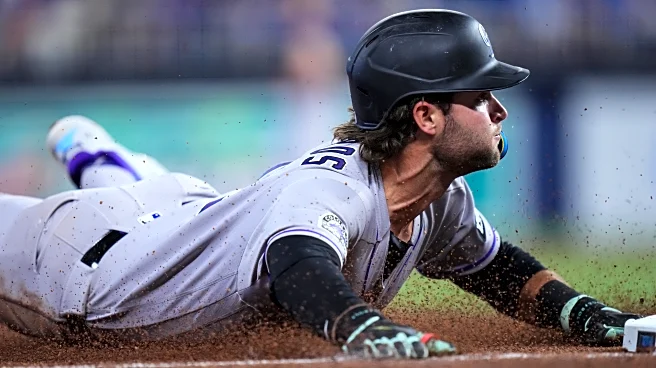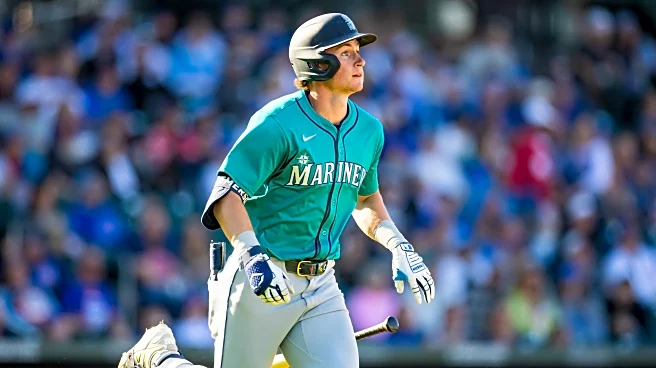

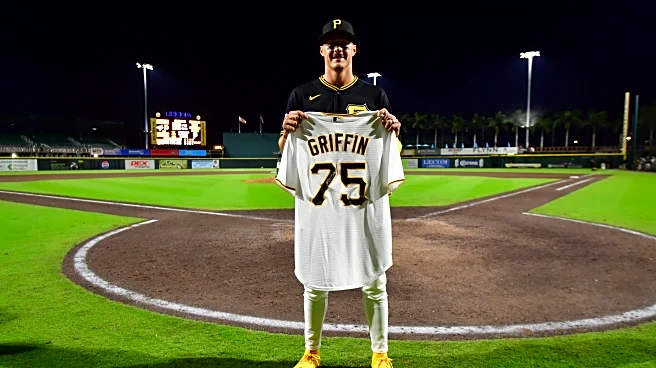
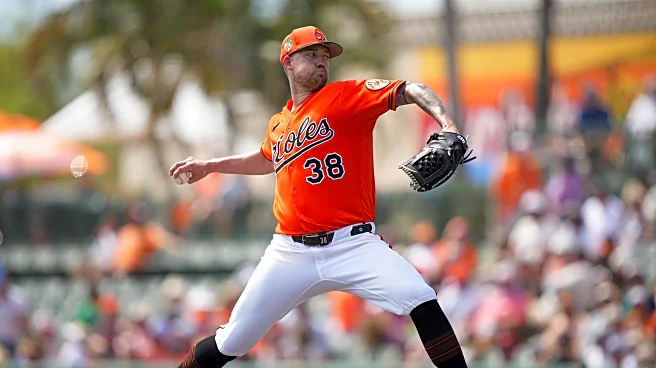
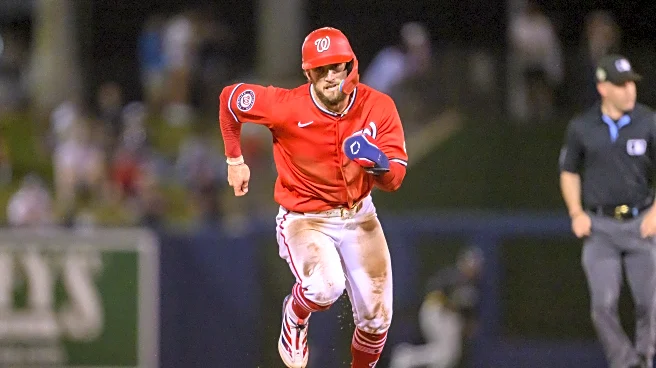
Over the past 24 hours, two top-50 MLB prospects have agreed to major contract extensions before playing a game. Infielder Colt Emerson of the Seattle Mariners agreed to an eight year, $95M contract with a team option on year nine and escalators the can max the contract out at $130M. Fellow infielder Cooper Pratt is working on a an eight year, $50M extension with the Milwaukee Brewers with two $15M team options at the end that escalate in value based on performance. The final figure with all options exercised
would likely be closer to $100M, though details aren’t as available since that extension is not finalized.
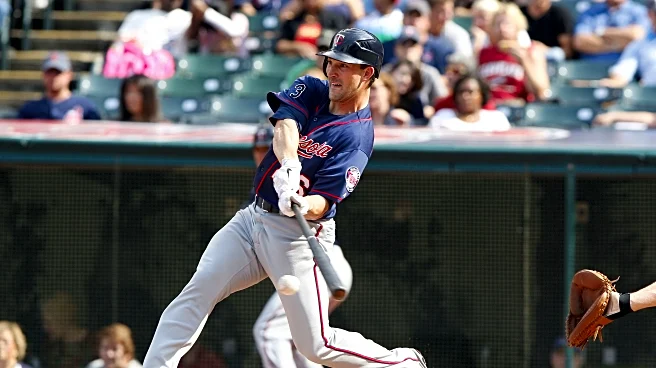
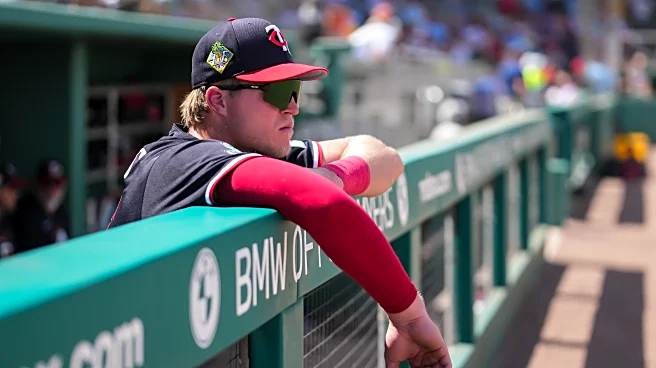
With those extensions in mind, let’s take a look at what a similar extension would be for Twins prospect Walker Jenkins and why they should be pursuing something similar.
Risk Versus Reward
It’s pretty easy for these early extensions to look like steals for teams. Jackson Chourio, also of the Brewers, signed an eight year, $82M deal prior to the 2024 season at 20 years old without having ever played above AA. That deal worked out almost instantly as Chourio became a star immediately and looks well on his way to multiple future All-Star appearances.
The flip side is Kristian Campbell, the Red Sox second baseman who agreed to an eight year, $60M deal a week into the 2025 season. He looked lost offensively and defensively for the first two months of the season, accumulating -1.0 bWAR before being mercifully optioned to AAA. He hasn’t played in the Bigs since then.
The reason these contracts are so popular is the economic structure and team control that franchises hold over players. Teams are able to limit how much players make while under their initial team control period which lasts a minimum of six years and often is extended beyond that via service time manipulation. But even without that, it’s nice for prospects to hold some level of financial security in the future in the event of a Kristian Campbell-like scenario. So yes, Chourio likely would have earned more money had he played out the arbitration process and signed a free agent contract, but $82M is generational wealth that he was able to secure at 20 years old. If he shatters his leg tomorrow and can never play again, he gets $82M no matter what.
The Jenkins Scenario
Let’s circle back to Pratt and Emerson and use them as guidance for the sake of this conversation. Pratt is a high floor, lower ceiling type of prospect thanks to his fielding, base running, and patience at the plate. He is ranked #62 in MLB’s Top 100. Jenkins and Emerson are ranked five spots apart on MLB’s Top 100 list and have remarkably similar offensive profiles.
Emerson is MLB Pipeline’s 7th-ranked prospect and was a first round selection in the 2023 draft, just like Jenkins. Emerson performed well across A+ and AA last season, with a brief taste of success at AAA at the end of 2025, just like Jenkins. Emerson has had some injury concerns in his three years in the minors, just like Jenkins, that may have limited the total minimum guarantee. Emerson is the clearer comparison for what a Jenkins extension would look like.
Emerson just got $95M guaranteed over the next eight years, but Jenkins would likely come in a bit higher. Jenkins has the prototypical size of a mid-order bat, which speaks to some still-untapped power potential that could significantly raise his ceiling. He is also, notably, repped by the infamously extension-averse Scott Boras, meaning the Twins will have to add some sweeteners to get this over the finish line.
With eight years seemingly being the magic number, I think something like $120M guaranteed over that period would make sense for both sides, with at least one option afterward like Emerson. That falls just below Red Sox outfielder Roman Anthony’s $130M extension, who was a better prospect and had already shown he can stick in the Bigs by the time it was signed.
While a $15M AAV seems like a lot for an injury-riddled prospect who hasn’t debuted, these contracts are often structured to pay the players less now and more in the future, which helps for roster planning. It also brings the net present value of the deal down quite a bit over an eight/nine year time horizon, and could be stretched even further by tying some of the guarantees into a buyout if that ninth-year option isn’t picked up. And let’s be honest about this… by the time this hypothetical extension got to the expensive years, that won’t be the Pohlads’ problem anyway.
$120M gives Jenkins multi-generational wealth and gives the Twins long-term cost certainty with 2-3 years of free agency bought out, though at an uncomfortable number, while Jenkins could still be a free agent at age 30 or 31 and secure one more large contract.
Should the Twins try to sign Jenkins to a contract similar to Emerson or Anthony’s? Do you think $120M is a fair number or is it a stretch too far for an ownership group already hesitant to spend?