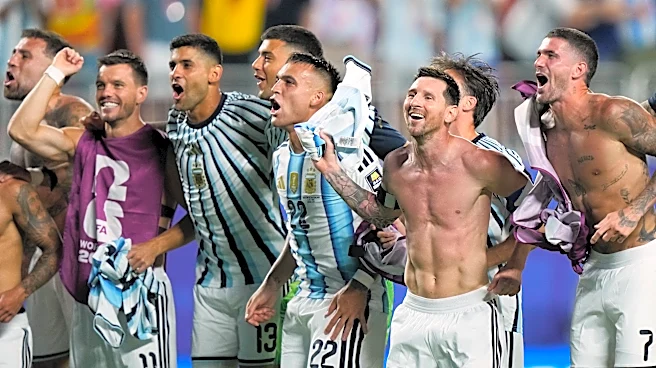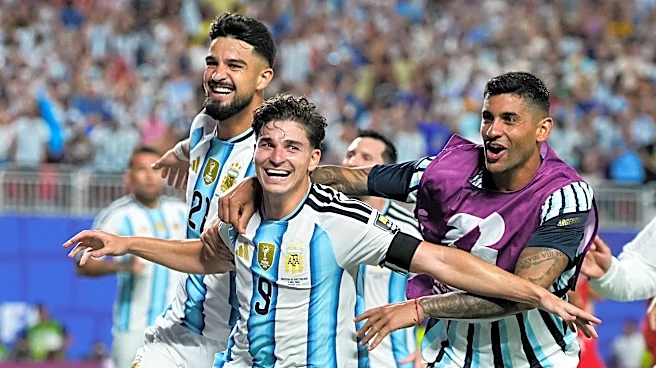






Argentina are in the semi-finals of the 2026 FIFA World Cup.
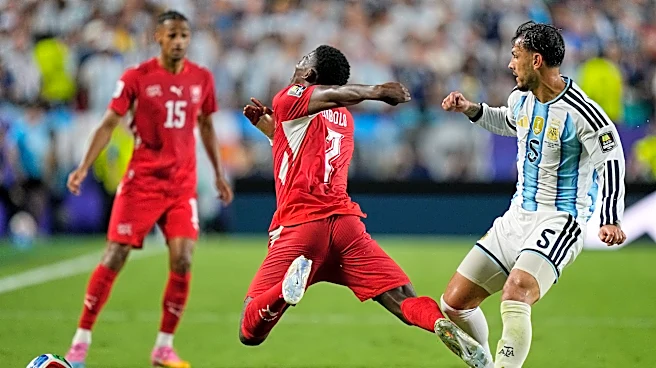
Argentina faced Switzerland in the quarterfinal and won 3-1 by dint of two extraordinary goals in extra-time. The game was tough and a messy defensive affair filled with yellow cards. Most notably, Switzerland attacker Breel Embolo was dismissed in the 72nd minute following VAR implementation. The mistaken identity rule was applied and Embolo, who was already on a yellow, received a second yellow and hence was sent off. Argentina capitalized
on Swiss exhaustion to win the game. Here are the observations from the game.
Before we saw red…
Merely looking at the scoreline, it might seem like Switzerland had the bus parked from the very first minute. That is far from the truth. Take a look at the half-time statistics.

(made on Microsoft Paint by Muller_Era)
Throughout the first half, they constantly pressed and pushed Argentina out of the buildup. They weren’t afraid to throw themselves into transitions, and they had a clear game plan. Stay disciplined, compact, but continue to attack using Breel Embolo. Every time they had access to the ball, they looked to attack and Embolo was their main outlet. He could hold onto the ball, work with the midfield and wingers, and when the timing was right, launch into the final third.
Looking at the numbers — Switzerland had 29 entries into the final third as compared to Argentina’s 17. The former also spent a total time of close to two minutes there while Argentina spent only half a minute.
With these numbers it becomes abundantly clear — the Swiss gameplan was never to hold Argentina in their own half and defend to the end. They had a plan catered to their strengths.
But, this did not result in goals. Holding 57% of the possession, they found themselves unable to make decisions in the final third. Out of merely three shots in all of the first half, only one was on target — Djibril Sow’s shot in the 20th minute.
Argentina had one goal, from a corner in the 10th minute — Messi’s corner met Mac Allister, who scored a header. But after that? Surprisingly, very little from them.
The game was never in Argentina’s control to begin with.
Swiss knives
What Switzerland did after Breel Embolo’s dismissal needs to be discussed, because their gameplan completely changed the way Argentina played too.
In the 72nd minute, Embolo was sent off. Manager Murat Yakin did not just start frantically subbing players off. They developed a clear plan. Form a compact block, shadow Argentine players, and keep them circulating the ball around as much as possible. To put it as simply as possible, ten men had formed two rows of five each and begun defending with their lives.
Here, a recursive pattern began. An Argentine player would try to progress, only to be met by 2-3 men in red. A few horizontal passes later, when a shot was attempted, a Swiss player would punt it away with all their strength, or Gregor Kobel would step in to clear the ball or block the shot. Notice I said Swiss player — not attacker, or defender. This was because positions no longer existed at this point. A majority of the game stayed within the Swiss half because they simply did not have the personnel or the circumstances to move forward. The goal within reach, and yet Argentina could not score even once.
The substitutions only began 15 minutes later, with Silvan Widmer, Zeki Amdouni and Miro Muheim coming on. A triple sub, removing Swiss goal scorer Dan Ndoye, was merely intended to bring on fresh legs and hold on for as long as possible. At no point here did the Swiss look like they had lost hope.
However, the very plan that kept the score locked at 1-1 till the 90th had also reached its limits by extra-time, and led to Argentina’s win.
What changed in extra-time?
Argentina were clearly frustrated by the cycle of attempting but not scoring — how else do you explain the substitutions?
- 78′ Nicolás González* on for Nicolás Tagliafico
- 85′ Lautaro Martínez* on for Rodrigo De Paul and Gonzalo Montiel on for Nahuel Molina
- 90′ (ET) Thiago Almada* on for Enzo Fernández
- 106′ Nicolás Otamendi on for Cristian Romero
Notice they brought on three attackers removing players of other positions. At one point, they had stopped playing with proper formation and structure, placing in as many attackers as possible with one intent — score at all costs. Stability was a concept they were willing to abandon.
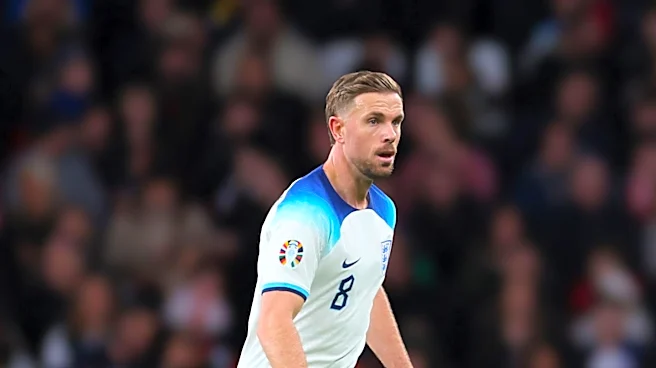
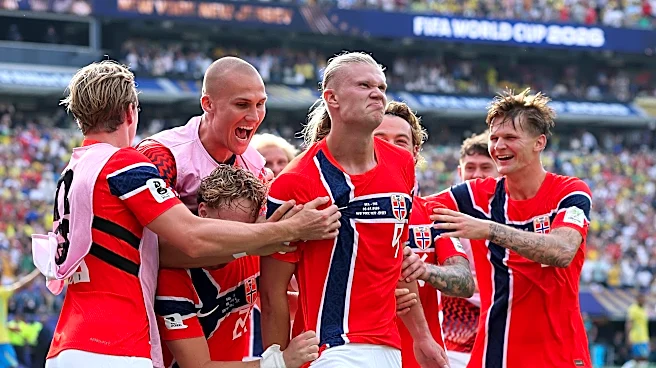
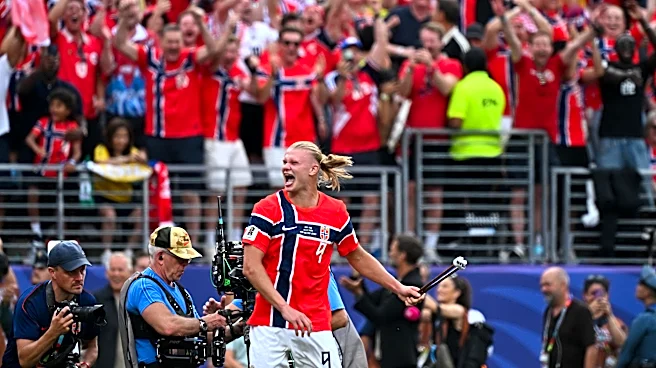
Bench depth changes knockout games. This is what played into England’s win over Norway, and in Argentina’s win tonight.
Regardless of how frustrating Switzerland’s tactics were, a team of quality would not abandon a pre-existing game plan. But Argentina did, which begs the question — were they all that dominant as the second half numbers suggest?
Inevitably, the men in red lost the game due to fatigue. They had defended till they were physically and mentally checked out, and by the time the third goal from Lautaro Martínez came along, they simply couldn’t hold it together anymore.
The catalyst
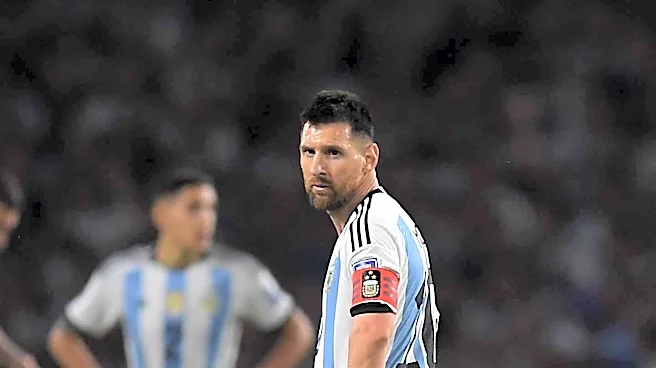
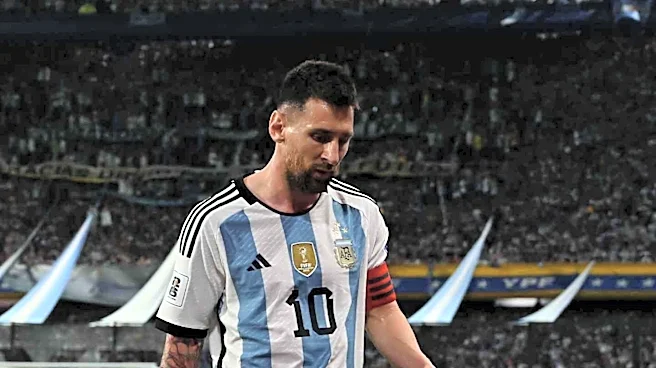
Argentina thrives the way it does because of the man in the centre of it all.
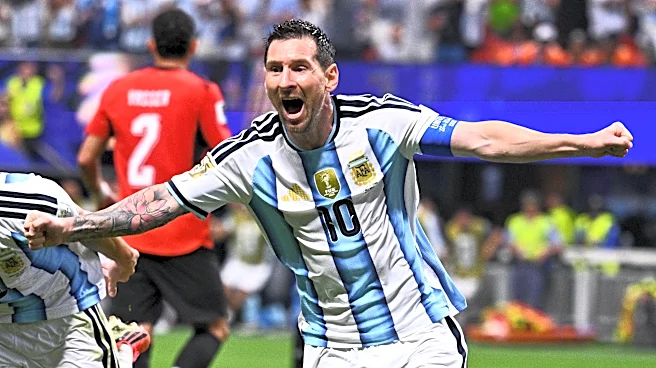
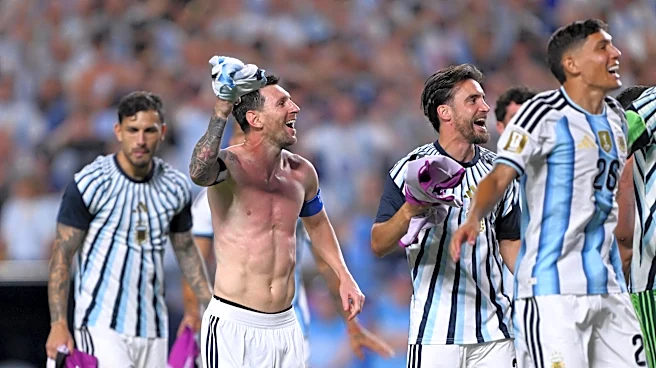
He was the primary creator and set up virtually every single set-piece. It was his perfect corner that lead to the first goal. Throughout the game, he held the team together and structured them during extra-time, leading to both goals. When holes started appearing in the Swiss game, he initiated the break-throughs, and inevitably won the game for them.
It remains to be seen how far one Lionel Messi can take Argentina through this World Cup. But one thing is for sure — he was the best player on the pitch by a mile, and will probably continue to be the centre of this team until he retires. Argentina will face England in the semi-finals.
Join the conversation!
Sign up for a user account and get:
- New, improved notifications system!
- Fewer ads
- Create community posts
- Comment on articles, community posts
- Rec comments, community posts