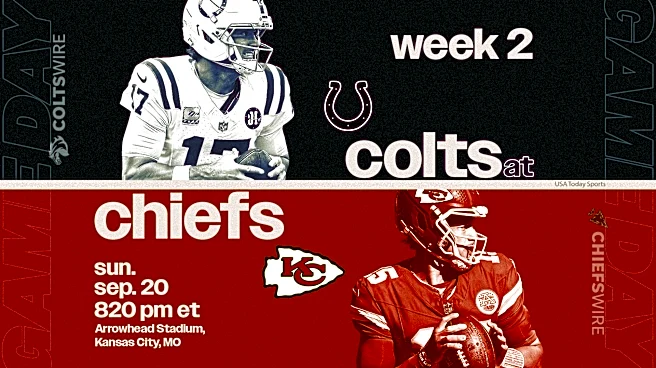


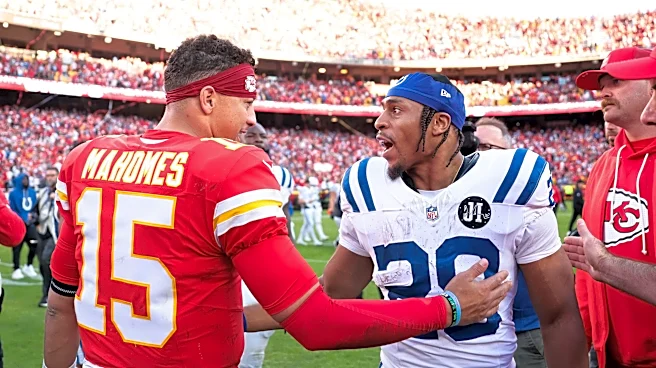
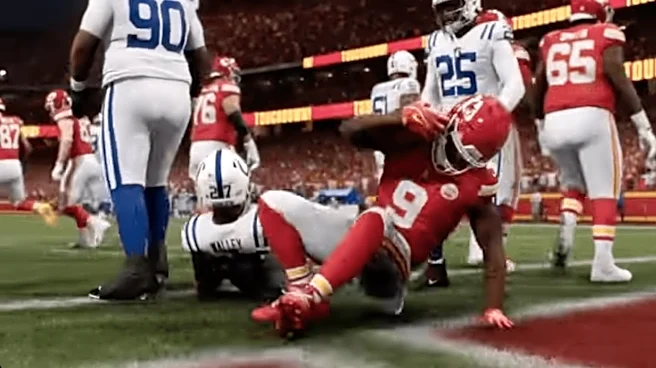
The Kansas City Chiefs outlasted the Indianapolis Colts and won 33-30 in overtime on “Sunday Night Football.”
Here are 3 rapidly written takeaways from the game:
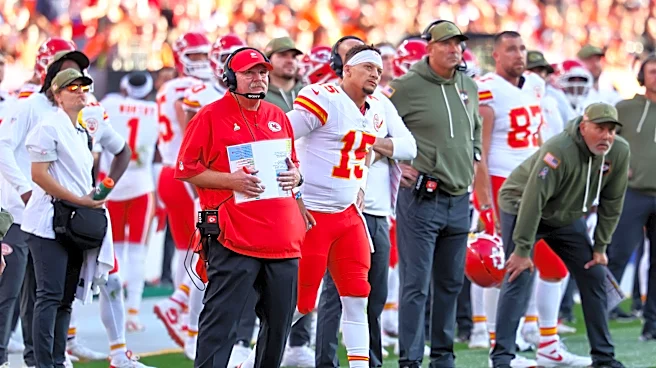
1. Patrick Mahomes is getting stronger with each snap
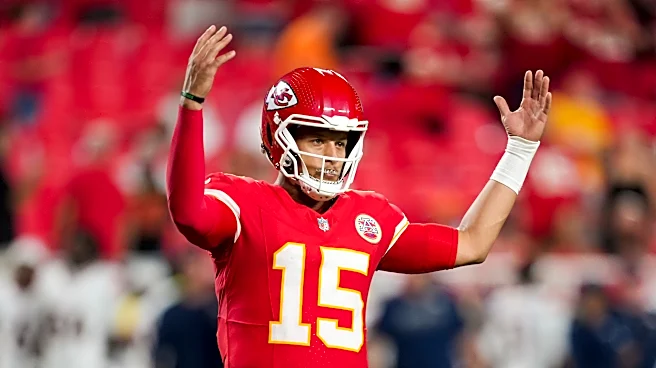
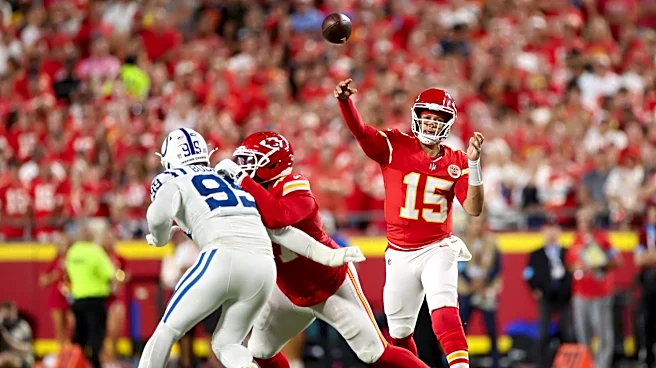
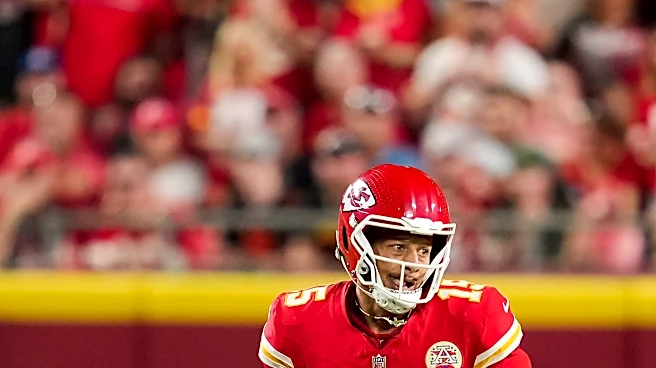
On Sunday evening, quarterback Patrick Mahomes looked much better than he did in the Week 1 win, whether it was his progression, his throws on the move, or his pinpoint deep pass to wide receiver Tyquan Thornton in the third quarter.
Early on, old nemesis and Colts defensive coordinator Lou Anarumo got the best of Mahomes on a third down. In
man coverage, Indianapolis dropped into a zone blitz and was all over the pass attempt, which an oncoming defensive back knocked down at the line of scrimmage.
He looked more comfortable than in the season opener as this game progressed. During the fourth possession of the game, a touchdown drive, Mahomes moved the chains four times before throwing one of his three touchdown passes.
On a crucial drive in the fourth quarter, a pressured dropback was countered with an accurate pass to wide receiver Rashee Rice in tight coverage at the sticks; Rice was unable to muscle the pass in and allowed the rookie defender to strip it away, giving the Colts possession with less than four minutes to play.
After getting the ball in overtime, Mahomes made some vintage plays that further showed he was shaking off the rust with each snap. He confidently settled and fired a throw downfield to Thornton on a third-and-long, then moved the chains with his legs by scrambling for 13 yards.
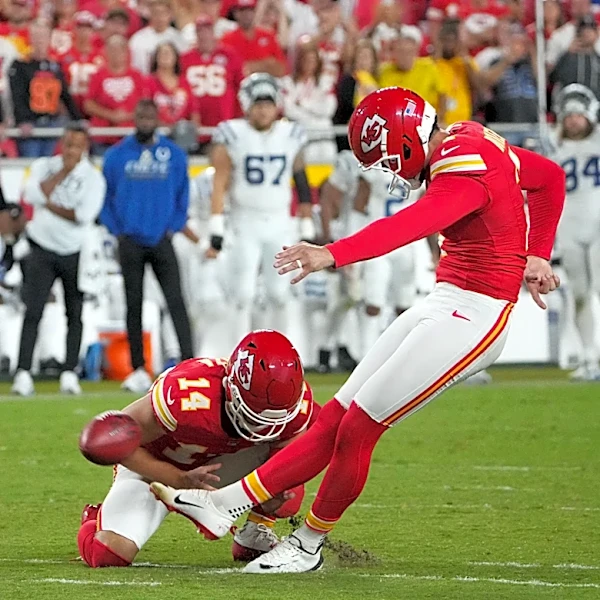
He got one more chance to seal the victory, and he did it with style: on a third-and-one, he rolled out left, flicked his wrist over an oncoming defender, and into running back Kenneth Walker’s hands to set up the game-winning field goal by Harrison Butker.
Mahomes completed 32 of 47 passes for 382 yards and posted a 114 passer rating. He threw for 19 first downs along with three touchdown passes. He led a 14-play touchdown drive and a 13-play field-goal drive coming out of halftime, putting the Chiefs up 27-20 in the fourth quarter. In overtime, he orchestrated an 11-play possession but failed to finish the job, with two incompletions that stalled inside the 15-yard line, but made the necessary plays to get Kansas City to 2-0.
2. The Chiefs’ defense gets humbled, then redeems itself
One of the biggest takeaways from Week 1 was how ahead of schedule the Chiefs’ defense appeared to be. The unit came crashing back to earth against a Colts offense missing its top wideout for most of the game; Alec Pierce (Heel) left in the first half and did not return.
Rookie cornerback Mansoor Delane (Shoulder) dressed but did not appear, leaving cornerback duties to Nohl Williams, L’Jarius Sneed, and Kristian Fulton. Early on, Fulton made a great play on a slant route, wrestling the ball away from the receiver for an interception that set up the first touchdown.
In the slot, Sneed—and safety Christian Roland-Wallace, but mostly Sneed—struggled to handle the quick routes of wide receiver Joshua Downs. It led to multiple conversions late in the possession for Indianapolis.
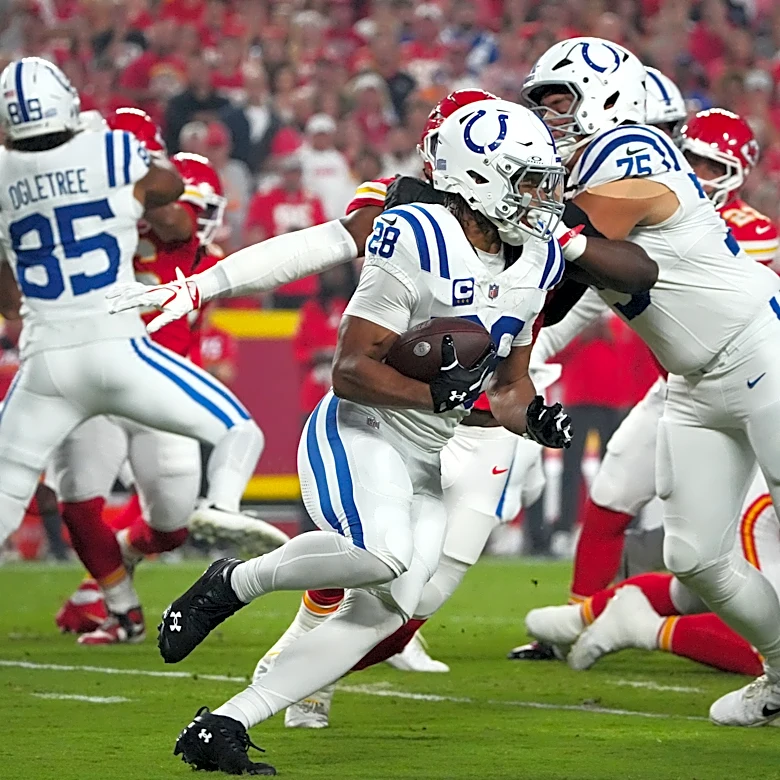
On the outside, Fulton struggled to match the physicality of the Colts’ run game, which is crucial at the position in defensive coordinator Steve Spagnuolo’s system. It led to some big runs to his side by running back Jonathan Taylor, but he wasn’t the only victim of the wall of strong blocks. Rookie defensive end R Mason Thomas got washed out on the first of Taylor’s two touchdown runs.
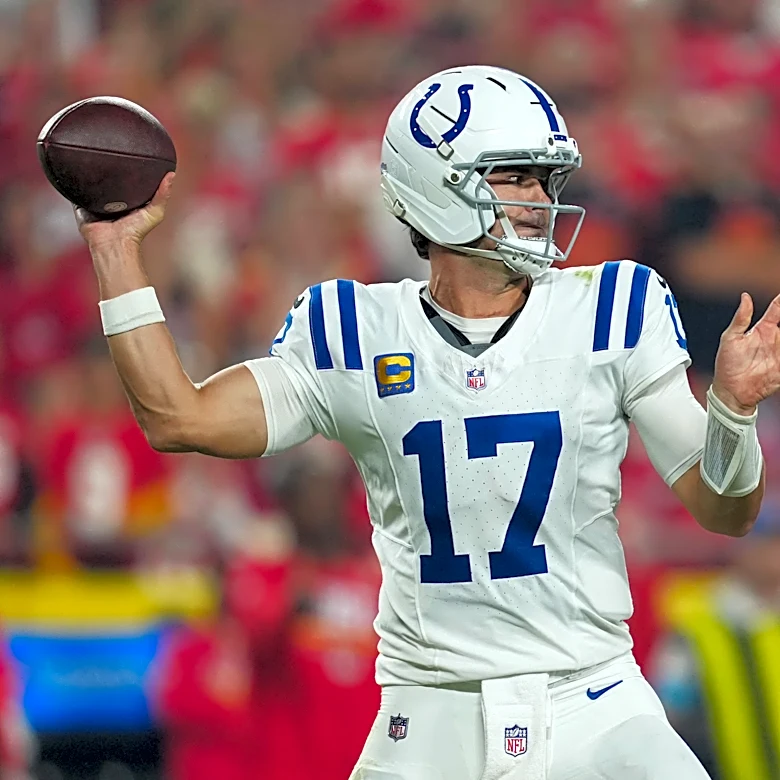
The biggest flub of the game came in overtime, when quarterback Daniel Jones launched a 48-yard completion to wide receiver Laquon Treadwell running open from Sneed. Williams nearly made an all-time play with a punch-out, but it was still an ugly play for a secondary that looked much more competent in Week 1.
For the game, Indianapolis moved the chains 24 times and converted 7/14 third- or fourth-down opportunities. The Chiefs’ defense would stuff some runs, then let others get into the second and third level. However, quarterback Daniel Jones’s efficiency (71% completion rate) put the Colts in position to keep chipping away all game.
The pass rush made a defining play in the fourth quarter to keep the game tied, then linebackers Drue Tranquill and Nick Bolton stepped up in overtime to prevent a game-ending score.
3. The Chiefs’ pass game is limited by its top wideouts
The Chiefs’ run game clearly helped open up the pass game against Indianapolis. An under-center, play-action pass clearly opened up the field, allowing wide receiver Rashee Rice to find plenty of space for a 30-yard catch-and-run over the middle.
On the long ball to Thornton, attention on the run game created a one-high structure that let Thornton and wide receiver Xavier Worthy stretch thin with speed, giving the throw plenty of room deep for Thornton to make the play away from the deep safety.
On Worthy’s touchdown, attention on Walker created incredible separation.
Second-year wideout Jalen Royals also stepped up with a strong catch, going up and getting a pass on the back line of the end zone on fourth-and-goal.
However, the team’s top wideouts — Rice and Worthy — still lack the tough-catch ability crucial against modern pass coverages that rarely give receivers room to breathe. I mentioned Rice’s play late in the game earlier, but Worthy also mishandled a rifling throw from Mahomes that would’ve gotten the offense inside the five-yard line.
In overtime, Thornton made his second downfield catch of the game, hanging on through a big hit by the oncoming safety to keep the drive alive on third and long. When it comes to catches in traffic, especially further downfield, Thornton has been much more reliable than the players who receive the top-2 most snaps in the receiving room.
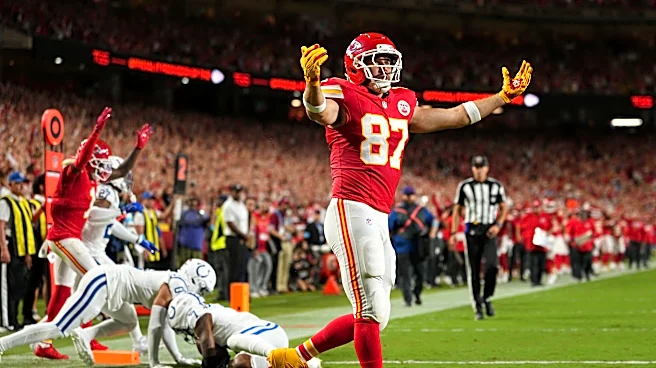
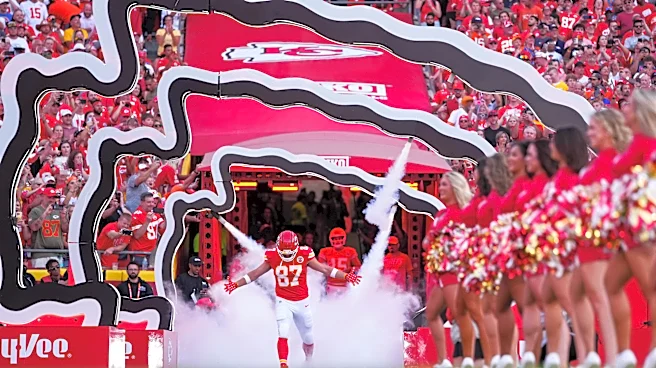
Soon-to-be 37-year-old tight end Travis Kelce is somehow still this team’s leading receiver, and that is not a positive review of the team’s receiving corps. He finished the night with a team-high nine catches and 101 yards; he also led the offense in yards after catch (66).