


The Florian Wirtz formula
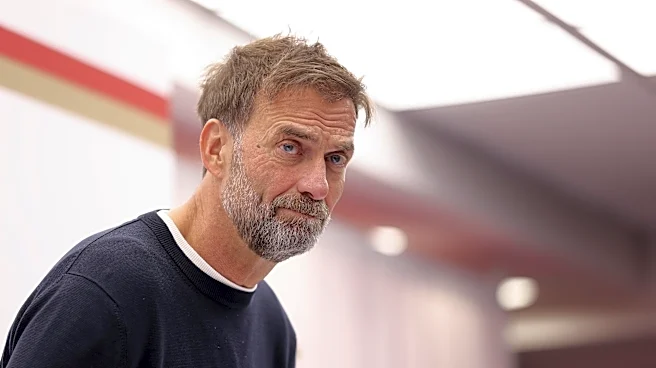
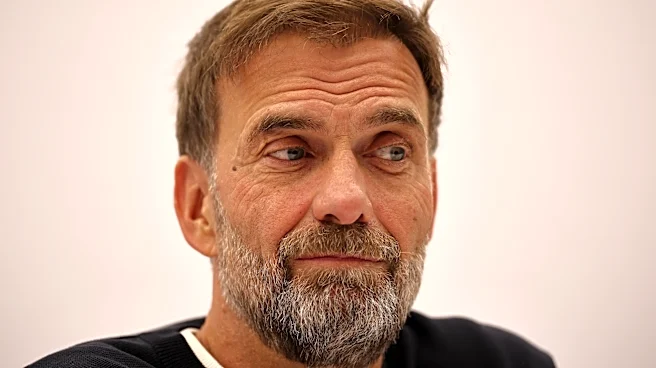
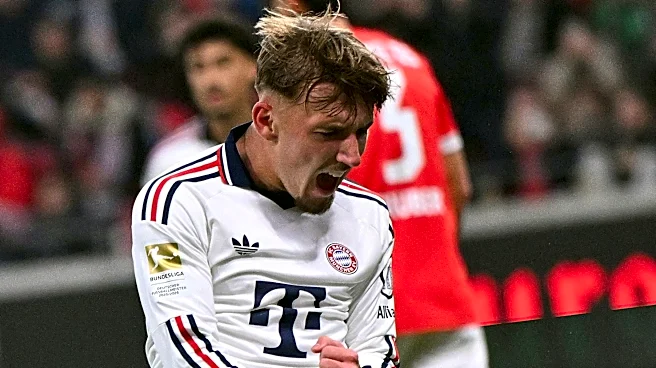
Liverpool FC should take notes, because Jürgen Klopp shows how you get it done. Florian Wirtz is a player with strengths and weaknesses, and both need to be accounted for when designing a system built around him. So what did Klopp get right?
Step one: Give him freedom.
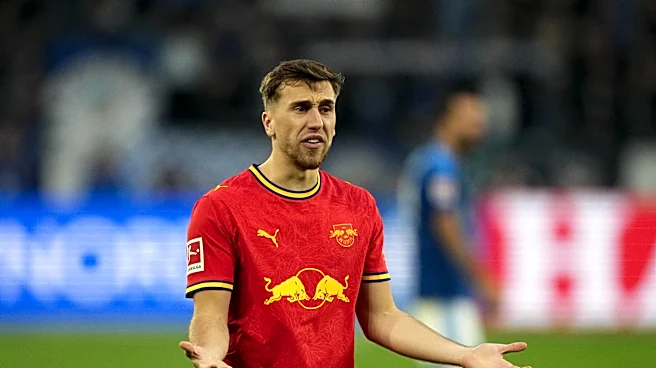
Let’s recap for a second. You’ve signed Florian Wirtz. His strengths are his creativity, tenacity, and work rate. His weakness is being bullied off the ball and getting crowded out by busy midfields. He has good technical fundamentals
like any other attacking midfielder, but not the game-changing vision or passing range of a Mesut Özil. He can’t dribble like Jamal Musiala, nor deceive markers and interpret space like a Thomas Müller.
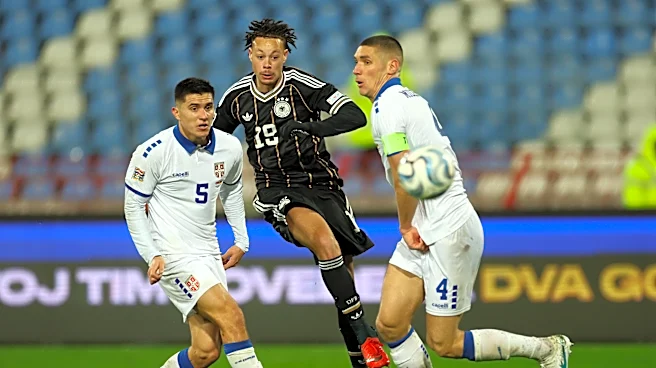
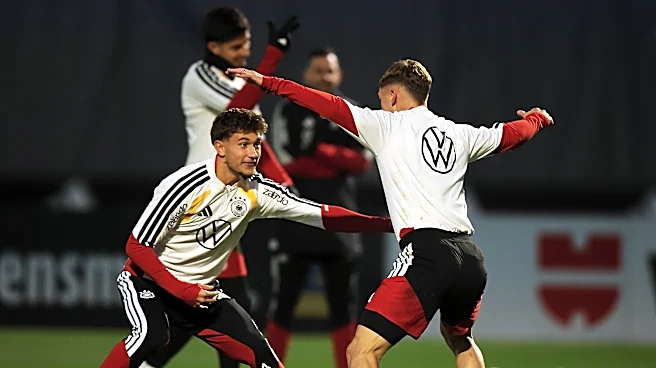
Any team using Florian Witz needs a bespoke solution. Against Serbia, Klopp debuted his. He put Wirtz to work in a free role, giving him license to roam left and drop deep. This leveraged his work rate to pull his markers out of position, while giving the LFC man a means of escaping the most congested areas of the pitch. Ironically, the same actions de-congested those same areas, which in turn gave Wirtz space to run into when he got the right pass.
Premier League pundits love to claim that Wirtz plays badly because teams never give him space. That is true, but Klopp demonstrates an elegant solution. Let Wirtz play to his strengths and he CAN find space, just not in the places you would expect. He can’t pass his way out of a forest of defenders, but give the freedom of the pitch and he will eventually outrun them.
Of course, this solution only works because of the next part, which might vex Liverpool fans somewhat.
Step two: Give him a midfield.
If you put your attacking midfielder in a free role, you need the rest of your midfield to compensate. This demands players with high football IQ, who know how to interplay and map out a possession sequence five passes in advance.
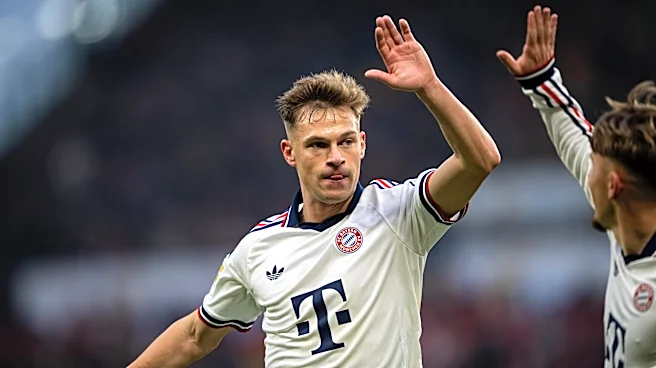
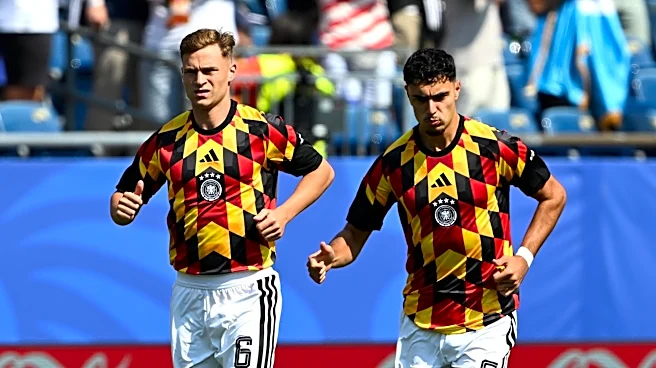
With Joshua Kimmich back in the middle, Wirtz was supported by a midfield conductor that gave him the easy access to space he needed. Kimmich is a conductor. He manipulates every player on the pitch like it’s a video game. His actions are not worth a highlight compilation, so you’ll miss them unless you’re looking for them.
For example, he will notice congestion on the left, so he moves the ball to Malick Thiaw, which causes the opposition to shift subtly to cope. With an avenue now open, he passes the ball left to Aleksandar Pavlović, causing Serbia to shift their posture, while at the same time Wirtz attacks the space they leave behind. Then when Pav makes his next pass, he has a full breadth of options — if not Wirtz then Kai Havertz, Brajan Gruda, or Derry Scherhant, as well as a backpass to Kimmich.
This divides attention, giving Wirtz more space than he would have otherwise. It is also deceptively simple, being just a pair of square passes, so it can be repeated as a sequence over and over again during the course of a game. The more it happens, the more chances Wirtz gets to make an impact. That is why it succeeded. Klopp leveraged these tactical changes to give his player some breathing room, and Wirtz did the rest. What a performance.
Now there is probably a step three, but that remains in the realm of theory. Maybe if Jamal Musiala gets fit, Klopp can explore different options for Wirtz. Perhaps a 4-1-4-1 with double AMs, or a false 9 role similar to what Harry Kane does at Bayern Munich. The possibilities are immense, but they depend on a certain position and who wins the race to become the starter. In that respect, one player is ahead of the rest.
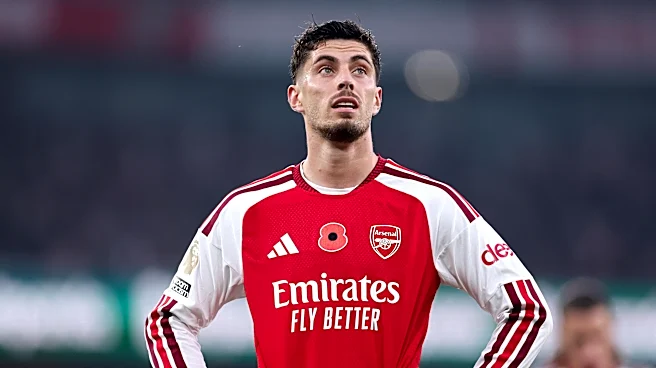
Kai Havertz is not perfect, but …
Germany have few alternatives at striker right now. Younes Ebnoutalib is unproven at this level, Deniz Undav lost his form after the World Cup, and Nick Woltemade is stuck playing for the orphan crushing machine (Juventus). Under these conditions, Havertz seems like he is safe in the striker role.
For now, he still offers something of value. His finishing was not up to par versus Serbia, but from a tactical perspective, it was the best game he’s had in ages (for Germany at least). Havertz is no Harry Kane, but he has a good sense of where to move and how to offer himself as target for interplay, opening up room for others to exploit. With Klopp already leveraging the system to give Wirtz priority, Havetz makes a strong argument for his inclusion.
Now, will this be enough for him to keep his spot? Niclas Füllkrug could potentially oust Havertz on scoring merit, but the Bremen star is 33 and will be 35 by the next Euros. Time and tactics both point to Havertz being Klopp’s preferred starter, for now.
All hail the new Fußballgott
Does Klopp have his first real undroppable star? Maybe.
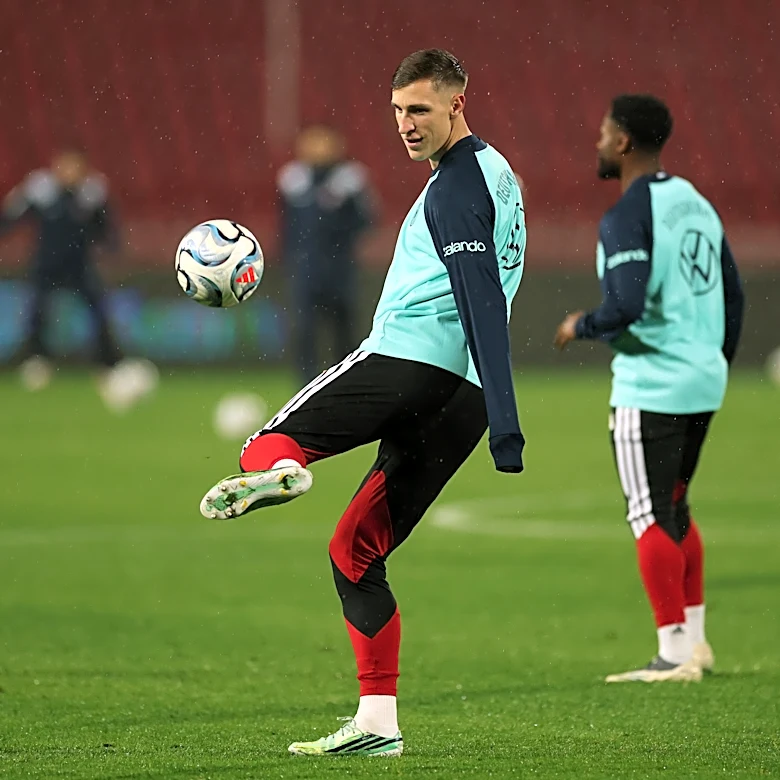
Aleksandar Pavlović was criticized for a disappointing World Cup, especially for his lack of physical presence. He seems to have taken those complaints to heart. Since the start of this season, the 22-year-old has completely reinvented his game, evolving from Kimmich’s sidekick to a monster in his own right. Klopp seems to recognize this, and has made the FC Bayern star a key part of his setup.
A few months ago, Pavlović was basically just a possession machine. A hundred passes a game, 99% accuracy every time. Boring and effective, but he didn’t do much else. It didn’t matter when he was playing for Bayern, but the World Cup exposed his flaws.
So he went to work on them. His ball carrying ability has improved, and he has discovered a tendency to make darting runs into space. Physically, he gets in the way now, putting his body between opponents and the ball. His tackling has improved, in terms of both timing and tenacity. He is doing better at getting stuck in.
It isn’t perfect yet. Pavlović still seems to force it from time to time, not looking 100% comfortable in pure physical duels. Yet you don’t turn into Bastian Schweinsteiger overnight. And the Schweinsteiger comparison seems apt.
Pav, currently, is in the process of expanding and refining his game. He is only 22 and his trajectory seems promising. At the end of this road, there may be a player who deserves the Fußballgott title for the first time since the man himself retired.
Miscellaneous observations
- Brajan Gruda looked like a beast. Klopp is slowly narrowing down his options for the attack, which could be bad news for Lennart Karl and Serge Gnabry.
- Conversely, Derry Scherhant and Mittelstädt had disappointing outings. This may open space for Nathaniel Brown to make a comeback in the lineup.
- For all their dominance, the Germans had a sloppy second half. It is clear that Klopp has a lot of work to do if he wants any consistency out of this group.
Join the conversation!
Sign up for a user account and get:
- New, improved notifications system!
- Fewer ads
- Create community posts
- Comment on articles, community posts
- Rec comments, community posts