






The cheers weren’t deafening.
There were no television timeouts, no giant scoreboard graphics and no pressure-packed World Cup match hanging in the balance.
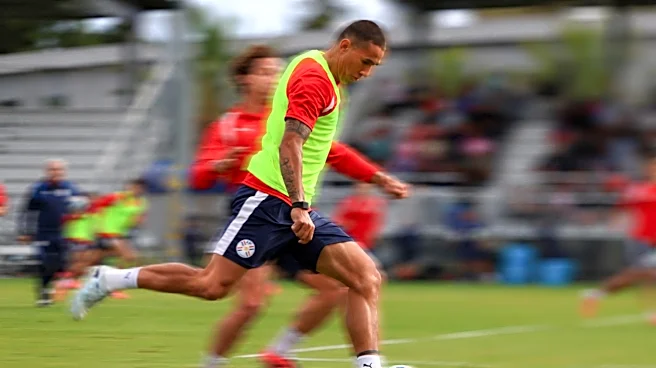
Yet for two hours Monday evening at San Jose State’s Spartan Soccer Complex, none of that seemed to matter with Paraguay’s national soccer team’s first open practice to the public.
It was a completely new crowd at Sparta.

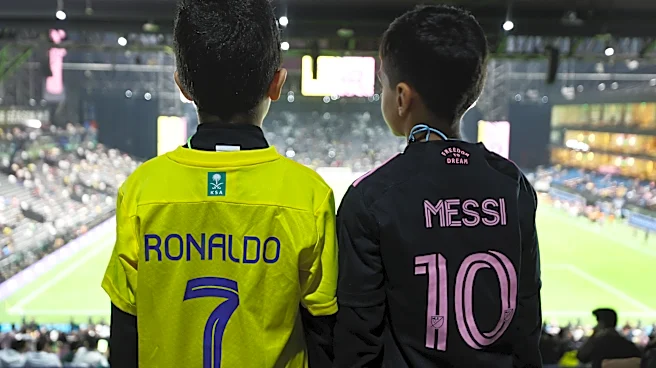
Wide-eyed children pressed against railings. Families wearing Paraguay’s iconic red-and-white stripes could be seen in the bleachers.
Curious students stopped to see what all the excitement was about. Every effortless header, long pass and thunderous strike from Paraguay’s national team drew collective oohs-and-ahhs from the crowd.
For many in attendance, it was likely their first opportunity to see World Cup-caliber athletes up close.
More than a practice: Bringing the World Cup to the community
Officially, Paraguay selected San Jose State as its Team Base Camp during the 2026 FIFA World Cup, turning the Spartan Soccer Complex into a temporary home-away-from-home for one of South America’s most respected football nations.
Unofficially, the Spartans gave the local community something much bigger: access.

The practice itself had the feel of a celebration more than a training session. Security remained understandably tight, but Paraguay’s players and staff embraced the public setting. The team’s energetic coaching staff could be heard throughout the evening, directing drills with a passion that resonated well beyond the field.
Players casually launched balls with a power and precision that seemed almost effortless, reminding everyone in attendance just how high the level of play becomes at the world’s biggest sporting event.
Yet the stars of the evening may not have been the players.
They were the children watching them.
An impression that could last for years
One San Jose State athletics administrator summed it up perfectly before the event, expressing hope that the experience would leave a lasting impression on the youth in attendance. Maybe they’ll remember this day. Maybe they’ll want to come to school here someday.
That idea speaks to why events like this matter.

The World Cup is often viewed through the lens of billion-dollar television contracts, sold-out stadiums and international prestige. But FIFA’s Team Base Camp concept was designed with local communities in mind. It creates opportunities for fans outside host cities to experience the tournament’s global reach firsthand.
On Monday, San Jose became part of that mission.
Why Paraguay chose San Jose State
It wasn’t lost on anyone that Paraguay had numerous options throughout the Bay Area before choosing San Jose.
In a region known for elite universities, professional sports facilities and world-class resources, the Spartans earned the trust of a World Cup participant.
That choice reflects years of investment in facilities, operations and community engagement. It also reflects the growing reputation of San Jose State as an institution capable of hosting events with international significance.
For a university often overshadowed by some of its more nationally recognized neighbors, the moment felt fitting.
Two underdogs sharing the same stage
Because in many ways, San Jose State and Paraguay share a similar identity; from the lore of the Spartans to Paraguay’s national identity tied to their indigenous people who shaped their country.
Also, neither is usually the first name mentioned in conversations about global prominence, but both have built reputations through persistence, hard work and a willingness to exceed expectations.
Long after Paraguay departs for its World Cup matches, Monday’s practice will likely fade from headlines. The goals, saves and tactical drills will eventually be forgotten.
The memories may not.
Somewhere in the crowd sat future college students, future athletes and future soccer fans who got a rare glimpse of the world beyond their neighborhood.
For them, the World Cup wasn’t happening somewhere else.
It was happening in this San Jose community.