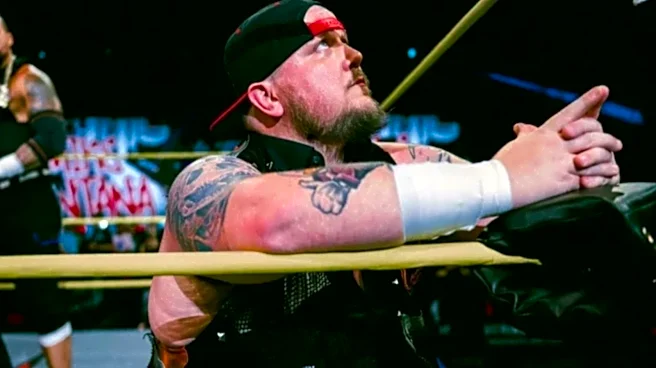





During a chat with Soundsphere, pro wrestling veteran Sami Callihan spoke on fans getting a little too invested in business metrics before taking aim at how social media has had a negative impact on the industry as a whole:
“It boggles my mind. Like it’s not just professional wrestling. It’s movies. It’s all forms of entertainment. ‘Oh, this had this much views’ or ‘I’m not going to like this because these people didn’t watch and these people didn’t like it.’ I watch movies all the time that people don’t
like and I absolutely love because I don’t let other people’s opinion on things like convolute my opinion on stuff. It’s the same thing with wrestling and that’s another thing I think with young wrestlers. They might have a match and then they go instantly on Twitter… But then they take that one tweet that was like, ‘Oh, I didn’t like that match. That was terrible.’ And they let that harp their entire observation of what their match is. No one’s going to tell me whether my art’s good or bad. I’m going to tell myself whether I like something or I don’t. There’s stuff that people like that I didn’t like, but I’m going to have my own opinion and there’s not going to be anyone that’s going to jade me from that. That’s the art form of professional wrestling. That’s the art form of entertainment in general. You can’t allow every single voice to contradict what you feel about yourself and what you feel about your art. Maybe 20% of the world actually has Twitter. Or even if you look at a television program, a wrestling program might have two million viewers. It was only mentioned on Twitter 22,000 times… That puts things into the grand scheme that our business is way bigger than just social media. Sure, social media is a great tool. Sure, social media is great to help build your brand, but at the same point, it’s not everything.”
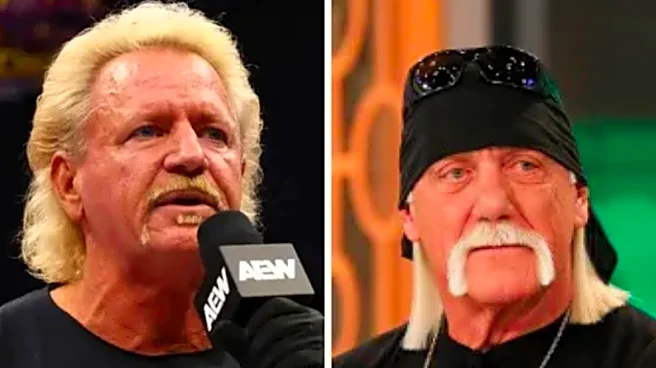
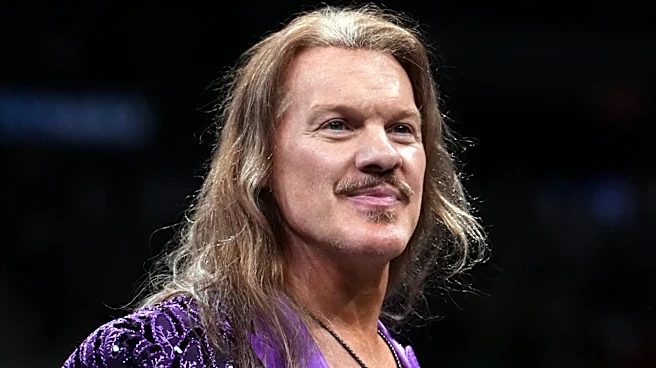
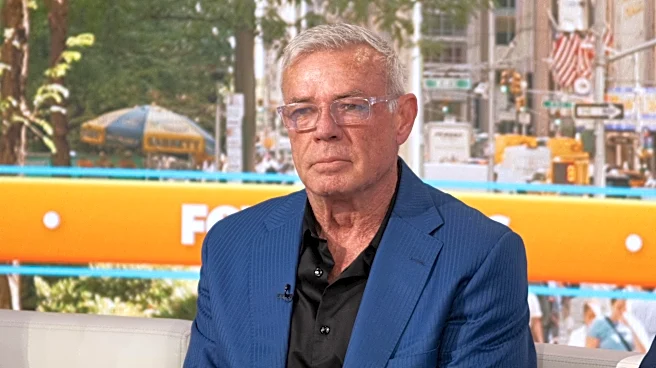
On that same wavelength, Eric Bischoff was on his podcast, 83 Weeks, recently talking about Chris Jericho’s recent remarks talking about his work in the industry and the career he’s made for himself. Bischoff, too, believes social media is killing people’s perception:
“I think in social media, yeah. I mean, that’s the nature of social media. You hit it right on the head when you said it’s not just wrestling. It’s not. How many times have you heard people say, and I believe it to be true, social media is not real life? Reacting to it like it is real life is a mistake. It’s a mistake business-wise. It’s a mistake on a personal level. If you let yourself get riled up and manipulated and angry and depressed or whatever by stupid stuff you see in social media, you should probably get away from social media because it’s having a negative effect on you and your life. Now, the last year or so, has the audience kind of gotten Jericho fatigue? I don’t know. It seems like that might be the case, as it often is with especially older, established talent that kind of camps out at the top of the card, so to speak. People do get tired of it and they tend to forget about or not count some of the previous great stuff that’s been done. But once someone like Chris or Hulk or Ric Flair or Randy Orton or John Cena, you just pick anybody, anytime those guys leave and they’ve been gone for a while, you’re not seeing them every week on television. So what do you do? You start reflecting back on some of their previous work, and that’s where people will fall in love all over again. It’s just more of a social media phenomenon than it is anything else, I think.”
I think just as much as social media can be a cancer, it’s equally as cancerous for those within the industry to give it too much weight. In a way, they’re doing the very same thing they are railing against, by focusing on the one negative or the vocal minority. At the same time, I don’t love the idea of policing fandom. If metrics are what interests someone, let them have their fun with it.
But, yes, social media is bad, more at 11.