





The Pittsburgh Pirates came away from yesterday’s day one of the 2026 MLB Draft with a haul of players. Here’s the total list along with the MLB.com post draft info on each.
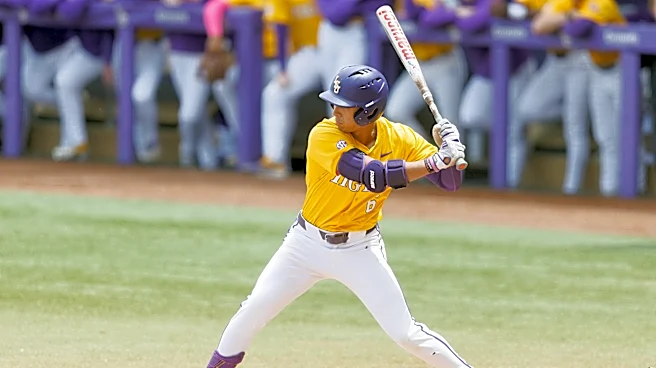
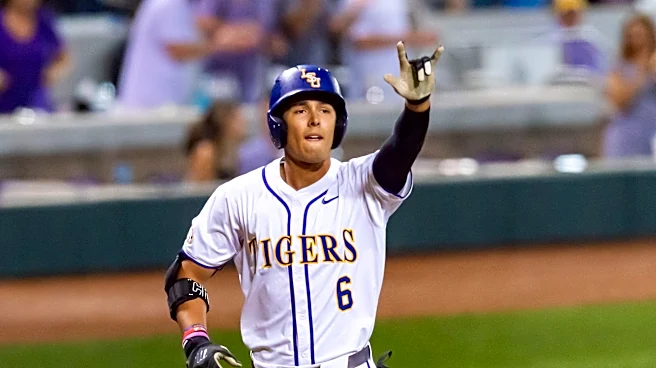
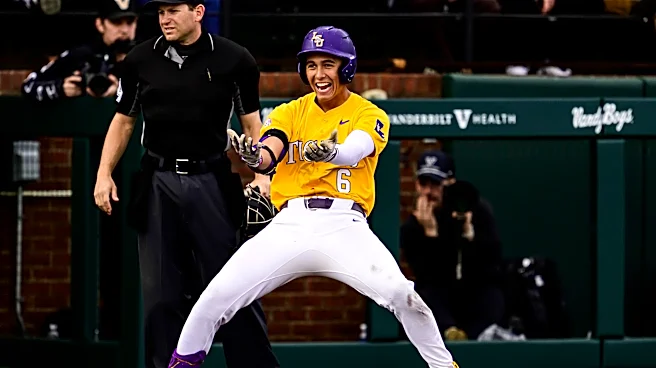
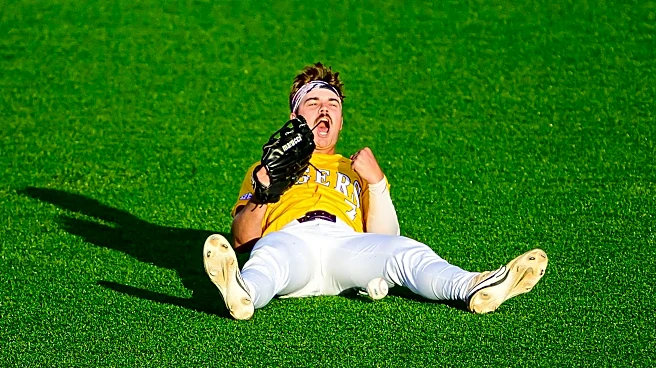
Pick #5 – Derek Curiel – OF, LSU
Scouting grades: Hit: 60 | Power: 45 | Run: 55 | Arm: 45 | Field: 55 | Overall: 55
Curiel plays a “special center field” and has shown command of the strike zone with upside in his damage profile. Curiel played with shortstop Konnor Griffin on the USA travel circuit, and the two committed to LSU together for the 2024 class.
Curiel
could rise through the ranks quickly. The pick was a bit of a surprise, as many mock drafts leading up to the Draft had Pittsburgh expected to take Santa Barbara pitcher Jackson Flora. When Flora went fourth to the Giants, the Pirates had the choice between multiple college and high school bats. Ultimately, they went with the experienced Curiel.
The 6-foot-2, 192-pound outfielder was once considered a first-round pick out of high school in Southern California, but he decided to forgo the 2024 Draft after a subpar senior season. After two years at LSU, he has proven himself as one of the best pure hitters in the Draft class, batting .349 with a .975 OPS in two seasons with the Tigers. Just a sophomore — eligible for the Draft by virtue of turning 21 in May — in 2026, Curiel led his team in batting average (.353), runs (64) and hits (82) while trying for the team lead in total bases (122). He also has plus speed, stealing a team-high 13 bases in just 15 attempts.
Pick #44 – Aiden Ruiz – SS, Stony Brook
Scouting grades: Hit: 50 | Power: 40 | Run: 55 | Arm: 60 | Field: 65 | Overall: 50
Many thought Ruiz, a smooth-fielding, switch-hitting (and switch-throwing – he throws lefty when he plays the outfield!) shortstop, might go in the first round.
An undersized switch-hitter who is listed at 5-foot-10 and 168 pounds, Ruiz is arguably the best defensive shortstop in the class. He’s an elite defender with a plus arm and range, great hands and outstanding footwork. Unlike with many young players at the premium position, Ruiz not only makes the spectacular, acrobatic plays, throwing on the run, he also slows the game down and makes the routine plays as well. It’s future Gold Glove-caliber defense.
An above-average runner whose instincts help him be a successful base-stealer, Ruiz’s bat is behind his glove. He makes a ton of contact with an idea of what he’s doing at the plate, excellent bat control and no fear, showing an ability to turn around premium velocity
Pick #51 – Chris Rembert – 2B, Auburn
Scouting grades: Hit: 60 | Power: 45 | Run: 50 | Arm: 50 | Field: 50 | Overall: 50
Rembert has some of the best bat speed in college baseball and an advanced approach, though his swing and patience have regressed a bit while he dealt with an ankle injury this spring. He manages the strike zone very well and focuses on drilling line drives from gap to gap. It’s unclear if he’ll provide more than 15 homers annually because he makes too much groundball contact, though he has the strength and bat speed to do more damage if he turns on more pitches and adds more loft to his compact right-handed stroke.
Rembert is an average runner with arm strength to match, which limits his usefulness on the bases and in the field. Some scouts once wondered if he’d wind up in left field, but he’s looking more comfortable at second base in college than he did at shortstop in high school. He has reliable hands and provides steady defense at the keystone.
Pick #80 – Jason Decaro – RHP, UNC
Scouting grades: Fastball: 45 | Curveball: 50 | Slider: 50 | Changeup: 50 | Control: 50 | Overall: 45
As a New York high schooler, DeCaro reclassified from the 2024 Draft to ’23 and got an early jump on his college career at North Carolina. He looked like a potential 2026 first-rounder when he cracked the Tar Heels rotation as a 17-year-old freshman, but scouts aren’t sure what to make of him because his stuff has leveled off since. His feel for pitching allowed him to make the U.S. collegiate national team after each of his first two seasons and rank third in NCAA Division I with 11 victories while serving as the ace of the College World Series runners-up in his third.
While DeCaro gets outs, he doesn’t miss a lot of bats or land his secondary pitches in the zone consistently. His fastball has ordinary velocity (91-94 mph, peak of 97) and shape and relies on generating weak contact. His fading low-80s changeup has regressed a bit during his junior season and is now more of an average offering, as are his tight low-80s slider and upper-70s curveball.
DeCaro keeps batters off balance by sequencing his pitches well and he throws consistent strikes from an upright delivery. Unless he improves the velocity and quality of his arsenal, he profiles more as a durable high-floor starter than someone who will pitch in the front half of a rotation. He’s extremely young for a college junior (20 years, three months on Draft day) but doesn’t have a lot of projection remaining in his strong 6-foot-5 frame.
Pick #108 – Andruw Giles – OF, Nevada HS
Scouting grades: Hit: 50 | Power: 45 | Run: 50 | Arm: 55 | Field: 50 | Overall: 45
Strong and compact, Giles has the chance to be a solid offensive performer. He shows off hitterish traits from the left side, showing a solid, balanced approach and the ability to make a lot of solid contact. He looks like he’s more of a hit-over-power guy, but he can drive the ball to all fields. He’ll show off the raw power he can keep learning to tap into in BP, the kind of pop that will surely impress in workouts.
An average runner, Giles does have the chance to play center field, though not everyone thinks he can stick there. A once easily plus arm that fired mid-90s fastballs from the mound now looks more above-average after he dealt with elbow soreness that forced him into a DH role during last summer’s Area Code Games. It’s still plenty for an outfield corner, though that move will put more pressure on his bat. To some, it gives him a little more of a tweener profile, but those who see every day player potential will consider signing him away from his commitment to Oregon.