
Someone wise once said there are lies, damn lies, and statistics. At first base we get to the sordid underbelly of analytics. Some in the media and blogosphere will report on analytics being some kind of monolithic thing like the borg from Star Trek. It’s really nothing more than information. It is detailed information, but still information at the end of the day. Often times it involves competing narratives and one has to know which narrative makes the most sense.
Christian Walker won the American
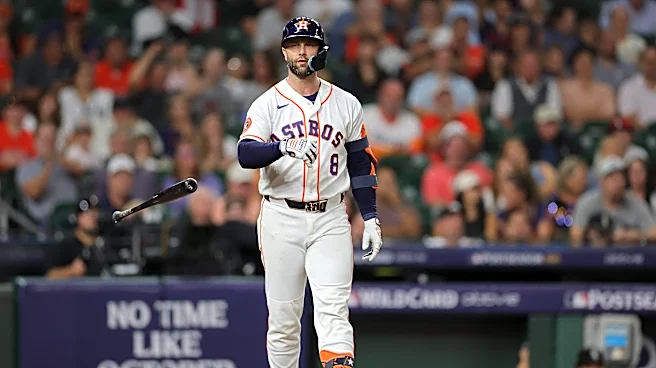
League Gold Glove award last season at first base. His .664 BPO comes fairly close to the overall league average. If one were to add those two facts together then one could be forgiven if they were to look at Walker as an average or even above average first basemen. Unfortunately, things are not that simple. Obviously, Randy Flores will try to do some fast talking and will try to convince a team that he is that above average first basemen, but there are other numbers that show this is not the case.
If you caught my catcher article from Monday, you will notice that we just looked at primary catchers there and added one DH that had also done some catching. In this edition, we looked at 33 total players because some of them have DH’ed and others have played multiple positions, but spent most of their time at first base. Obviously, the mean and median for the position matters because Walker ain’t playing anywhere other than first. So, let’s look at the league numbers.
Mean Starting first baseman: .761 BPO (Kyle Stowers)
Median Starting first baseman: .741 BPO (Freddie Freeman)
In paratheses we see the players closest to or on the nose for that number. Stowers of course is one of those hybrid players that played in almost as many games in the outfield as he did first. Freeman is a Hall of Famer in waiting. The difference between the mean and median is a math related question. Simply put, there are a number of vastly superior players that are driving up the overall average. Often times, the literal number in the middle is more meaningful.
Rank ordering players creates a bit of a problem for Flores and the Astros. Technically, only five regulars scored below Walker in BPO. That is important because it becomes a point of reference when we start talking about potential landing spots for Walker. You don’t trade for Walker if you have someone just as good if not better. So, let’s take a look at the top potential destinations for Walker.
Arizona Diamondbacks
Present first baseman: Ildemaro Vargas .582
It just so happens that Vargas brought up the rear by a considerable margin. The Dbacks let Walker go because they didn’t want to pay the going rate. Maybe they would be willing to eat a year to get some improvement overall at the position. Walker might be worth an additional win at this point and if they feel like they’re close then that additional win could come in handy. Depending on the salary structure in the new CBA, contracts like Walker’s can actually become valuable pieces. If MLB installs a floor then having an expiring contract like Walker’s doesn’t tie you to anything long term, but keeps you above that floor. So, stay tuned.
San Diego Padres
Present first baseman: Ty France (FA): .827
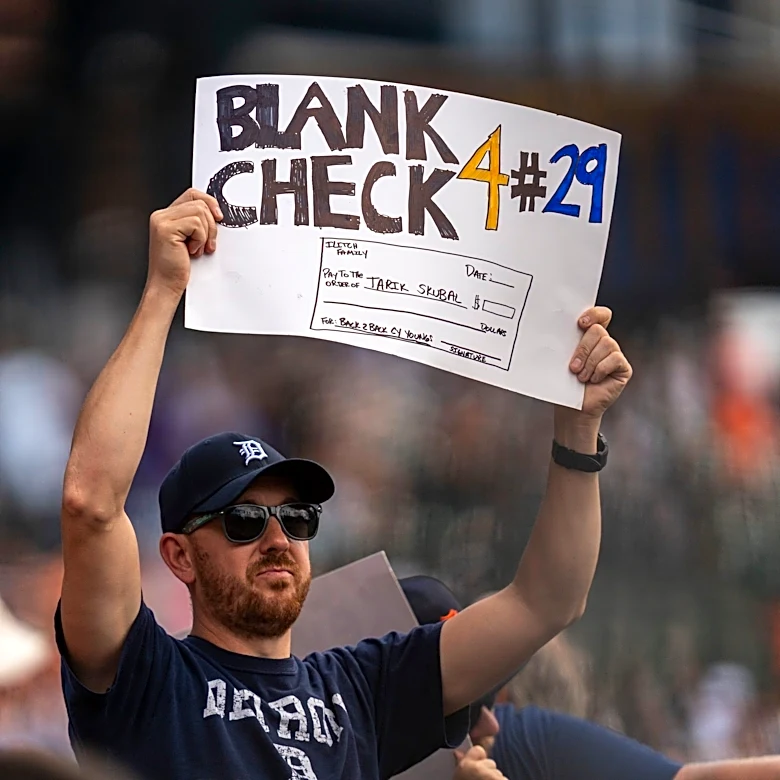
If the Padres make a run at Tarik Skubal then they will likely not be able to afford France. France feels like a player that is in line for Walker’s current contract. They could get a reasonable facsimile for one year instead of making the multi-year commitment. I would imagine that the Padres are not in desperate money add mode, so they would likely require either a sweetener (a young prospect) or a share of the salary.
Pittsburgh Pirates
Present first basemen: Ryan O’Hearn: .697
The good news is that O’Hearn has some positional flexibility, so the Pirates could add Walker and still employ O’Hearn. The other good news is that the Pirates are definitely going to be one of the teams looking to add sudden salary to match the incoming floor. They are the one team on the list that could care less about taking on 20 million dollars. It would actually benefit them in this instance. We should note that Walker has a limited no trade clause with a list of teams he cannot be dealt to. No one has reported who is on that list, but I could definitely imagine a world where the Pirates are one of those teams.
New York Mets
Present first basemen: Jared Young: .709
This is about fast talking. If you look at the basic counting numbers and the hardware then Walker looks like a significant upgrade. When I look at BPO he clearly isn’t one. I would say when you account for the fielding they are roughly comparable in value over a full season. Why in the hell would I want to add 20 million dollars to get what I already have? The simple answer is headlines. The Mets can make it look like they are doing things without actually improving their team. It’s one of the reasons why they are the Mets. I definitely could see the Mets unloading a contract they don’t want in exchange and calling it a win. Kodai Senga has one more year on his contract, so he would feel like a player they would love to unload.
Cleveland Guardians
Present first basemen: Kyle Manzardo: .635
Cleveland is one of the few teams that have a first baseman worse than Walker. They are a notoriously cheap organization, so taking on 20 million only makes sense for them if they are tying to avoid penalties from a salary floor. However, Walker would be an upgrade over what they employed last season. I could see them favoring that option in lieu of signing a France or player of that caliber. So, this would be a deal that would happen after the collective bargaining agreement and not before. The Guardians and Pirates might be the two best destinations, but that depends on how the CBA negotiations shake out and which teams are on his no trade clause.