


Preseason rotations can offer insight into how a coaching staff plans to construct its rotations once the regular season begins. They can also serve as an evaluation tool, giving us chances to see what individual players can offer, whether their offseason development translates to the court, and how those performances might shape decisions as the season approaches.
One interesting wrinkle we’ve seen through the first two preseason games is that Ryan Dunn has gotten the nod over Rasheer Fleming in the first wave
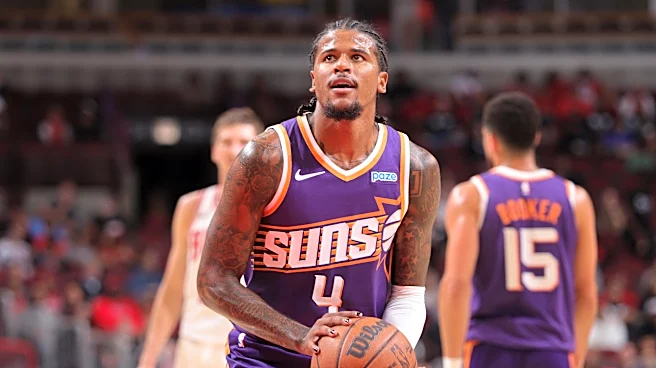
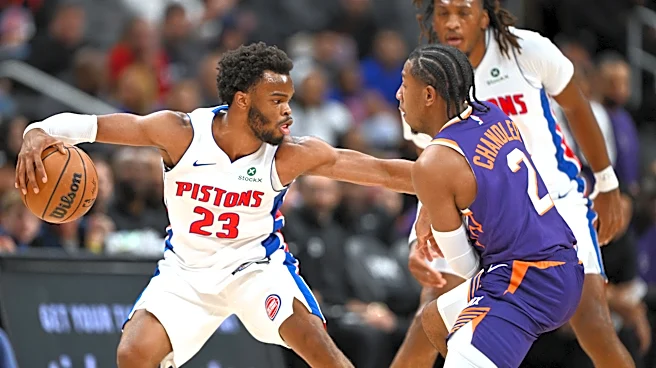
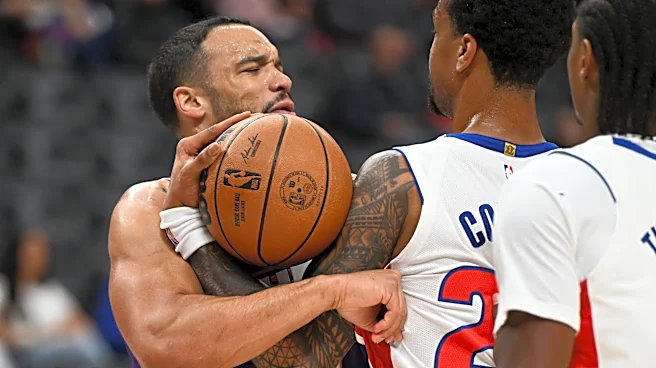
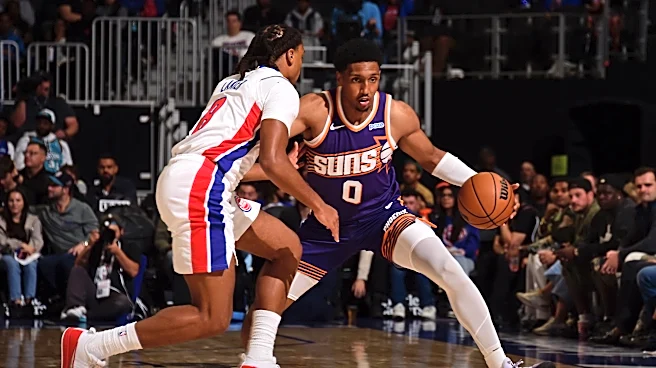
of substitutions. With 3:41 remaining in the first quarter against the Pistons on Monday, Dunn entered the game for Dillon Brooks. The same pattern followed against the Bulls on Wednesday, when Dunn checked in with 3:46 remaining in the first.
So the question becomes whether this is something head coach Jordan Ott is simply experimenting with early in the preseason or a precursor to what we’ll ultimately see when the regular season begins on October 23 against the Portland Trail Blazers.
I think it makes sense. And that’s coming from somebody who’s a card-carrying member of the Rasheer Fleming fan club. While I certainly want to see Fleming receive opportunities this season, I believe the responsible approach is to give your third-year wing, a player whose fourth-year option you recently picked up, an opportunity to demonstrate whether meaningful development is occurring.
Because when you look at Ryan Dunn’s performance last season, he didn’t necessarily regress. He plateaued. His first and second seasons were remarkably similar, especially when you begin digging into the statistical analysis. The production was largely the same, and the developmental leap you hoped to see never really materialized.

That free throw percentage. Oof.
The question now is whether Year 3 will be when that potential growth finally materializes. And the only way you’re going to determine whether Dunn carries value moving forward is by giving him opportunities and putting him in the best position to succeed. That position? Coming off the bench with the second unit, a group fortified by the three-point shooting of Collin Gillespie and Luke Kennard.
Because ultimately, that’s where Dunn is going to earn his paycheck. His ability to be an effective defensive player alongside shooters who can generate offense while he’s on the floor is what makes him valuable. And if he starts knocking down three-pointers? Jordan Ott begins looking like a genius, and the front office and player development staff can start patting each other on the back. Because if Dunn can become a legitimate three-and-D player, he’ll earn rotational minutes this season and potentially for years to come.
Through the first two preseason games, we’ve seen the instinctive defensive abilities Dunn showcased at the University of Virginia, the same instincts that have earned him opportunities early in his NBA career. Playing alongside Jordan Goodwin, the two have created havoc for opposing offensive players, bringing an impressive level of energy and disruption to the second unit.
As for the three-point shooting? He’s still not there, going 0-of-3 through the first two games.
I expect Dunn to continue receiving these opportunities when the regular season begins, even if we see less of him as the preseason progresses and the coaching staff gives Fleming more opportunities to showcase his abilities.
Ultimately, it will be on Dunn to earn the right to remain in that rotation. Because if he falters, Fleming is waiting right behind him, eager to take advantage of whatever opportunity becomes available. That’s a good luxury to have if you’re the Phoenix Suns. But it’s only a luxury if those players can actually produce.