


On 13 October 1962, Alan Brown’s Sunderland visited St James’ Park in a Second Division clash.
This was Sunderland’s fifth consecutive season in the second tier following their first-ever relegation in May 1958. Having finished in third place the previous season, only a point off second-placed Leyton Orient, there were high hopes of a return to the top flight.
Sunderland went into the game with a superb home record, having won six of their first seven games at Roker Park, but with a poor away record.
We had picked up only three points from ten in our five away games and were travelling the twelve miles up the road to face a side that had already put six past both Middlesbrough and Walsall.
Newcastle manager Joe Harvey had overseen a reasonable start to the season too, picking up six wins already. They were sitting in second position at the end of September and were being touted as promotion candidates following the £17,000 signing of Jim Iley and the acquisition of Dave Hilley for £40,000.
This is put into perspective by the November signing of a young Bryan ‘Pop’ Robson from Clara Vale Juniors for the princely sum of £75. Robson would go on to play for Sunderland, of course, in three different spells with the club, the first coming for £145,000 from West Ham in 1974.
In front of a crowd of over 62,000, Alan Brown sent out what, on paper, looked a very strong team.
Jim Montgomery, Colin Nelson, Len Ashurst, Stan Anderson, Dickie Rooks, Jimmy McNab, Jimmy Davison, George Herd, Brian Clough, Ambrose Fogarty, George Mulhall

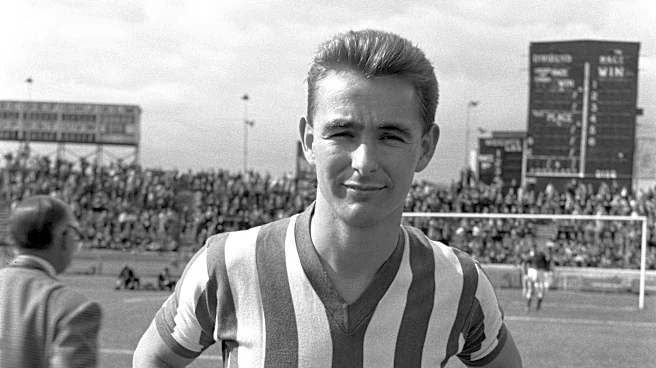
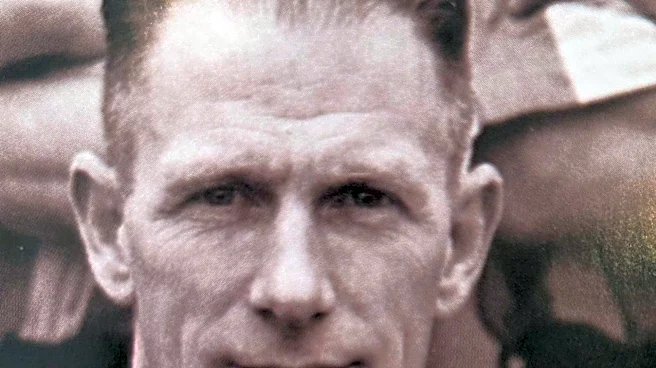
Clough opened the scoring on thirty minutes to put the Lads in the lead. A good ball out to the wing by Herd was gathered by Davison, who made progress before whipping in a low cross for Clough to slot home.
Clough would go on to score 24 goals by December and would undoubtedly have scored many more as Sunderland pushed for promotion. Unfortunately for him, Sunderland and everybody else who loved football, he was badly injured on Boxing Day at Roker Park and suffered a career-ending knee ligament injury.
Despite attempting to resurrect his playing career two years later by playing a further three games, Clough had to retire aged only twenty-nine. To this day, he still has the best goals-per-game record of any player to have scored more than 200 goals in English football. A ratio of 0.916 goals per game is incredible by any standard, but what might have been if he hadn’t collided with the Bury goalkeeper in torrential rain?
Sunderland had been the better side but without being clinical enough, and Jim Kerray equalised for Newcastle just before half-time. He shot from inside the box, Anderson tried to block, and the ball skewed into the opposite corner, leaving Montgomery stranded and diving the wrong way. Cruel, maybe, but the teams went into half-time on level terms.
Charlie Hurley had been injured and was not risked in this game, but Dickie Rooks proved a more than adequate stand-in. His superb second-half performance alongside an excellent Jimmy McNab was hailed as “an outstanding effort”. Sunderland almost won the game at the death when, following a Mulhall cross, Herd produced a diving header that hit the crossbar. It wasn’t to be, unfortunately, and the match ended 1-1. A point was enough to lift us back up a place and into third.
The season would end with us missing out on promotion, having maintained that third spot for a second season running. Popular opinion is that, had Clough not been injured when he was, we would have finished in the top two quite easily and been promoted a year earlier than we were, in May 1964.