




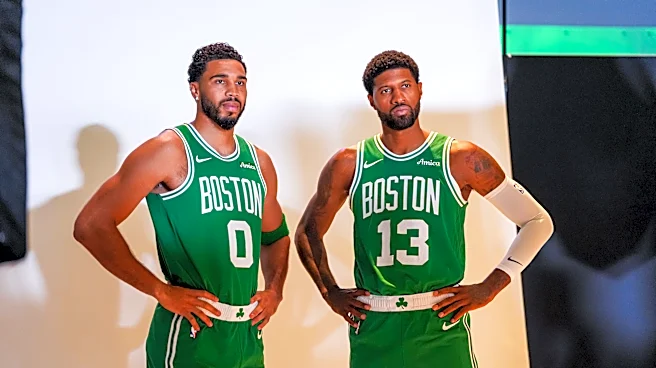
The back-to-school-like excitement that surrounds Boston Celtics Training Camp is unmatched. The Patriots stink, Drake Maye may be a fraud, and the Red Sox just played 18 innings of torturous baseball in a humiliating Wild Card Series sweep vs. the rival Yankees.
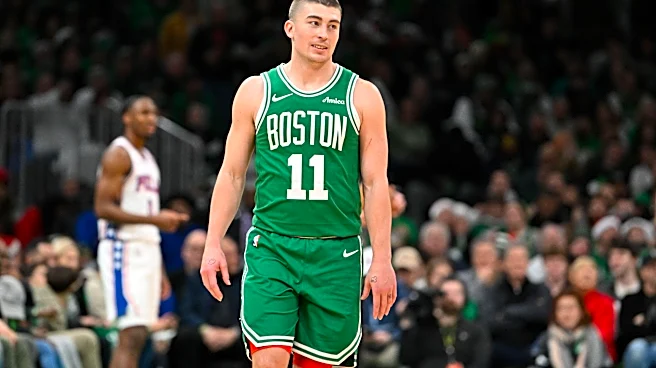
Many, if not all, Boston sports fans are wondering what Lucky has for them this fall, but washed away in all of the preseason wonder is Payton Pritchard’s new extension eligibility. As of Thursday, the Celtics can offer Pritchard an extra
three years for a total of $67 million — roughly $22.3 annually.
The seventh-year guard still has two seasons remaining on his current four-year, $30 million contract. Said deal has become one of the most valuable in the league ever since the former Oregon standout hit his stride two years ago en route to a Sixth Man of the Year worthy campaign. He’s averaged 15.7 points, 4.3 assists, and 3.9 rebounds per game on 46.8% from the field and a crisp 39.3% from beyond the arc during that span.
There’s no disputing that he’s earned a proper payday at this point.
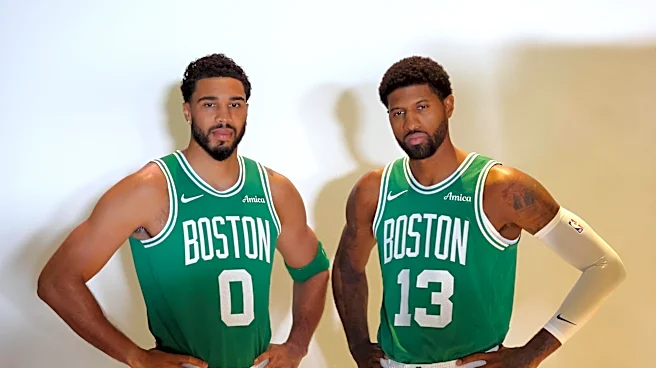
Pritchard’s recent emergence clearly played a role in the front office’s decision to shake up the roster this summer. His consistency on the ball, last season in particular with Jayson Tatum sidelined for the majority, gave Brad Stevens and Co. the confidence to build a roster with an expanded role for him in mind.
He was more than comfortable being aggressive offensively, and the team was better for it. Quite frankly, the most frustrating part of the playoff collapse against the Philadelphia 76ers was Pritchard’s lower usage as the series went on.
Unfortunately, with the way the league works today with all of the financial restrictions, there’s no guarantee that a deal comes together smoothly. The Celtics have the challenge of trying to maximize every dollar they spend to avoid finding themsleves facing the dreaded apron penalties again.
In 2026, two years before an extension would kick in, it doesn’t feel like there’s much risk to paying Pritchard. The reality that Boston’s executives have to live in is that of 2028. The six-foot-one-inch guard will be entering his age 31 season.
As Celtics fans have witnessed with former small stars like Isaiah Thomas and Kemba Walker, time isn’t always kind to the little guys. Thomas’s career was derailed after his age 27 season when he played through a hip injury in the playoffs, and Walker wasn’t ever the same after his age 30 season when recurring knee issues limited his quickness.
Because of their size disadvantages, small guards typically have to rely on quickness and athleticism to thrive in the NBA.
It would be unfair to put Pritchard in a box and pretend like his game is entirely dependant on his burst. It’s a big part of it, but his elite skills play a huge role too. The West Linn native is the Celtic that I am most confident in every time he fires up a three. His patience on drives and attention to detail with his footwork make him a menance for opposing defenders to deal with.
Neither of those skills should go away with age. In fact, I’m pretty sure most shooters will be able to shoot it until the day they retire.
Paying Pritchard, whatever the number is, will most likley work out for the Celtics. The question is more about their eagerness to get a deal done — something to pay attention to over the next two and a half weeks during No. 11’s eligibility window.