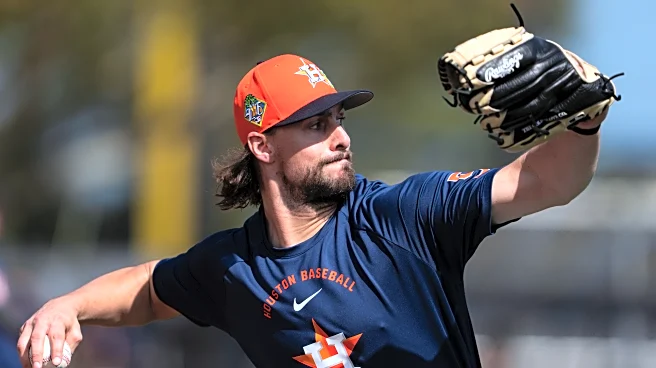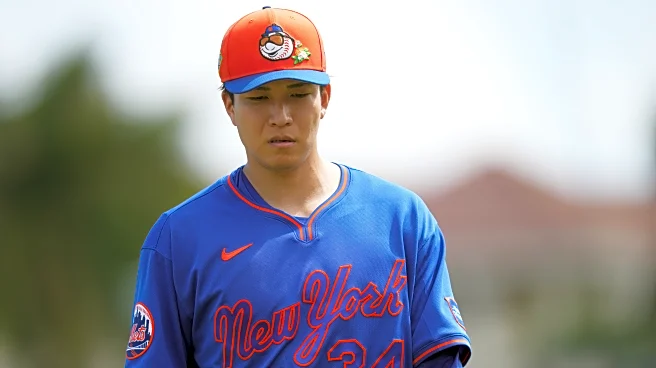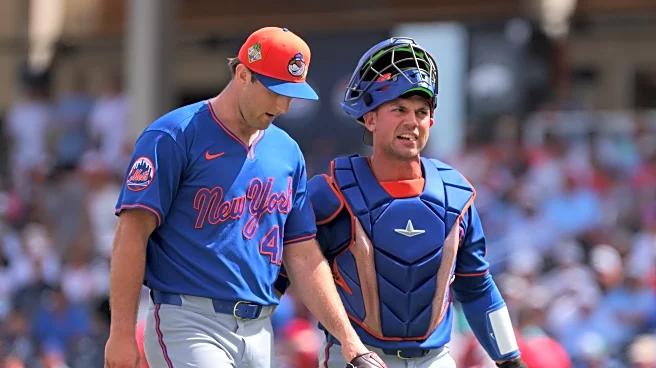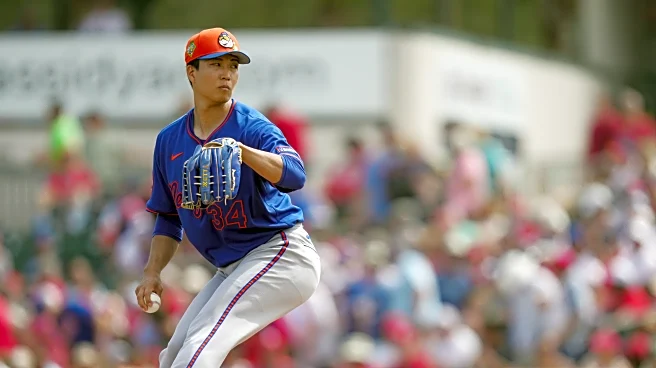


In his first year as a full-time starter, Clay Holmes was sturdy, if unspectacular. After eight years of solely relieving (after his first season where he both started and relieved), Holmes made 31 starts in 2025 (plus two relief appearances) good for a 3.53 ERA. That line looks good in insolation, but watching Holmes pitch over the course of the year didn’t always feel like you were watching someone with a sub-4.00 ERA.
While the overall results may have been there, batter to batter, inning to inning,
Holmes appeared to be pressing, often looking fatigued and frustrated. A lot of this can be placed at the feet of the transition from relief pitching to starting pitching. Midway through the season, Holmes had already blown past his innings total for any big league season, so some of the fatigue was earned.
But with a season under his belt, it’s becoming clear who Holmes the starter is. When he’s on, he’s inducing a lot of ground balls. His pitch mix hasn’t changed too much from his bullpen days, but he’s lost a little velocity (about three miles per hour on his sinker, approximately two miles per hour off of breaking/off-speed stuff) due to the extra pitches he’s throwing. Amazingly, his walk rate didn’t change too much, though he was never a reliever who didn’t put men on base.
So while the stuff is unlikely to change in his second year as a starter, there’s hope that the endurance may. Now fully stretched out for more than a calendar year, Holmes can hopefully put together a season that sees him go deeper into games. With a partially rebuilt bullpen and an actual swingman (hello, Tobias Myers!), the Mets have attempted to address some of the issues of the 2025 pitching staff, but ultimately, starting pitcher length is going to tell a lot of the story.
There was a stretch during the summer of over two months between Mets’ starters going six innings. After June 7, Holmes only pitched into the seventh inning once. Even the reliable bullpen arms were getting dinged up because of overuse. While newly acquired starter Freddy Peralta didn’t average much better than Holmes did (both averaging just over five innings per start), the big difference is that he only had one start (aside from a last start before the playoffs purposely shortened outing) where he didn’t go five innings. His ERA was also almost a full run better than Holmes’s.
With Peralta and Nolan McLean at the top of the rotation, (hopefully) healthy Kodai Senga and Sean Manaea, and a (hopefully) resurgent David Peterson, the Mets have lots of options for how their starting staff is going to look. But based on a combination of effectiveness and health, Holmes looks to slot into the third or fourth starter role. And with Christian Scott and Jonah Tong not far behind, Holmes’s ability to transition into the bullpen and his modest contract ($13 million this year with a $12 million player option for 2027), if his effectiveness dips also makes him an asset in the way that Manaea or Senga simply aren’t.