
Let me start by being absolutely clear about the headline to this article. On Dec. 1, when the MLB/MLBPA collective bargaining agreement expires, team owners are going to lock out players. A lockout, not a strike, so this is all on the owners.
Commissioner Rob Manfred has pretty much said that’s going to happen without specifically saying so, even while saying this back in August:
“We’re meeting regularly, which is good,” Manfred told ESPN during the Little League Classic about the labor talks. “Every
week, we’ve had days where we’ve met with the players. It’s early, but we’ve got a lot of work to do, and we’re at it.
“Look, our goal is to make a deal. We want to make a deal. We want to play baseball next year. We’re planning on playing baseball next year.”
So while much of Cubs fans’ focus recently has been on the postseason run that ended last week, there have indeed been some labor-related things that you might have missed, so I thought I’d put this article together to bring you up to date.
About two weeks ago, Evan Drellich and Andrew Marchand reported in The Athletic of an interesting potential twist depending on how far into the season a lockout goes:
No one knows whether a shutdown will shorten the sport’s 162-game regular season, but if it does, 60 games — roughly the end of May, by the current MLB schedule — will bring perhaps the most crucial leverage point.
If at least 60 games are wiped out in 2027, most of the league’s national broadcast contracts would extend another year, through 2029, people briefed on MLB’s rights agreements who were not authorized to speak publicly told The Athletic.
That means the big payday owners expect from new national TV rights deals could wind up delayed by a lockout.
Ah, ha. So if more than a couple of months of the 2027 season are delayed or wiped out by the lockout, that could cost owners money — maybe a year’s worth of money that they hope to get beginning when the current national TV deals expire after the 2028 season. Instead, that could be delayed until 2029. As you know, Manfred would love to have all local and national baseball TV rights available to sell in one package; owners think they could get a lot more money from TV partners that way. That remains to be seen — and also, teams like the Dodgers, Yankees, Red Sox, Mets and Cubs, all of whom at least partly own their current regional sports networks, would be willing to cede those rights back to the league. In the current TV landscape, RSNs are going away, but those five teams are still making pretty good money with them.
To sum up, from the article in The Athletic:
If the entirety of the 2027 season were to be missed, the networks would pay nothing during 2029, the additional season they would get in return for their ’27 outlay. If MLB missed 60 games but still held a shortened campaign in 2027, the networks would have to pay some amount for 2029.
In either scenario, the networks might be pleased they’re receiving an extra year at a bargain rate. On the flip side, the owners would eventually feel some pain. The potential impact on their future earnings makes 60 games a key threshold in collective bargaining between players and owners.
So there is at least a clue as to how long owners would be willing to hold out on their stated desire for a salary cap until they begin to feel some financial pressure to make a deal.
Another interesting article in The Athleticappeared around season’s end, written by Ken Rosenthal. Rosenthal, who also appears on Fox-TV national games, has been seen as kind of a shill for ownership’s position. Not in that article, though:
Revenue disparity between large- and small-market clubs is a legitimate concern. The league and players’ union need to adopt significant measures to make the playing field more level. But the league’s argument for greater competitive balance, if not a red herring, is at least an argument of convenience.
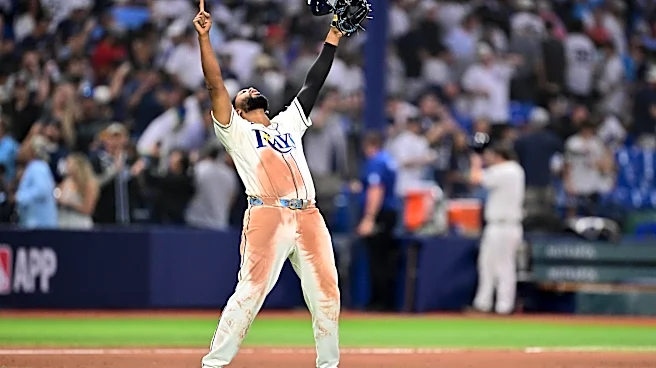
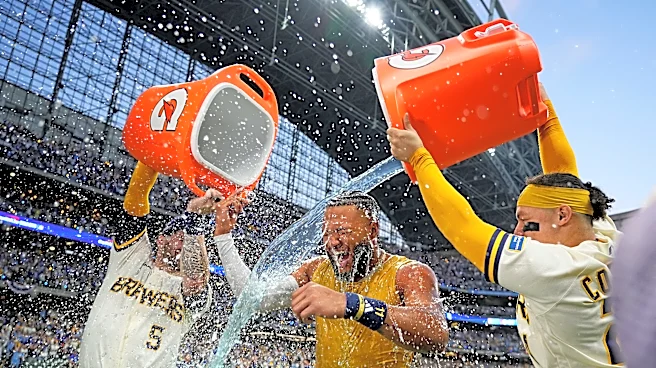
Right there is an acknowledgment, if not an outright statement, that owners’ claim of a salary cap is needed for “competitive balance.” Just watching this year’s postseason so far tells you that isn’t true. The headline of the article, “Even if Rays or Brewers win World Series, competitive balance argument will endure,” kind of goes against Rosenthal’s statement. And as we stand here nearing the end of the Division Series round, that World Series matchup is still possible. And that would also probably make Fox-TV executives cry, because while baseball purists would love that sort of matchup, it probably would not generate the sort of ratings the network or baseball executives want, unless it wound up a seven-game series with compelling games.
The real reason owners want a salary cap is to increase franchise values. Period, full stop. That was noted as far back as last May in this article by Drellich in The Athletic:
Why, at a time when MLB has otherwise built positive momentum, would the league pursue such an acrimonious change, and risk alienating fans with a work stoppage? Many issues are at play, but none supersede the long game owners are playing. Their mission is to maximize the worth of their teams.
Baseball has always been a business, yes — but not like this. Private equity has flowed into the sport for the better part of a decade, and someday, those investors will want a return. And even though every team continues to grow in value, many owners believe that their clubs should command still-higher prices.
Speaking of that positive momentum, MLB enjoyed an attendance increase this season for the fourth year in a row:
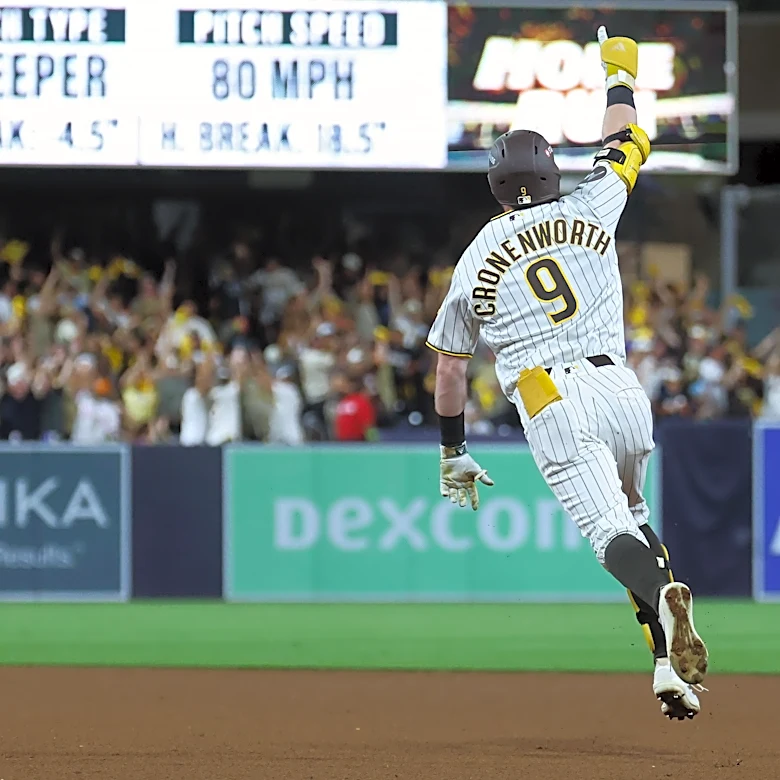
MLB topped 70 million fans in attendance in each of the last three seasons and did so again in 2026 — hitting a total of 71,752,722.
The Rays moving back to Tropicana Field accounted for an increase of over 600,000, and the White Sox’ playoff season got them an increase of over 500,000. Teams with big drop-offs include the Mets (down over 470,000), Astros (down over 250,000) and Royals (down about 220,000). The Blue Jays had a disappointing 2026 on the field, but their 2025 World Series appearance likely sold a lot of tickets, as they were up about 480,000. The Cubs were down, but just slightly, about 48,000 fewer than 2025.
Overall, though, the sport is riding high. Owners mess with this at their peril.
And that was the subject of a well-written column by Britt Ghiroli in The Athletic, in which she said she was almost “dreading” the postseason instead of enjoying it, because:
I’ll miss this, I think. Or, I already miss this, even as it’s happening.
That’s how I’ll feel about this postseason. Better enjoy it because, in the face of a pending labor lockout, who knows when we’ll get actual baseball again.
May? July? February 2028?
Even if the Cubs had made it past the first round, I think that’s kind of how I would have felt. Sure, enjoy the Cubs’ run but… when are we going to see them after this October? Spring Training is scheduled to begin for the Cubs on Friday, Feb. 19, 2027, but I don’t know a single Cubs fan (myself included) who thinks that’s going to happen as scheduled. As Britt Ghiroli’s article concludes:
Baseball is a beautiful sport. One team will win it all, and then its fanbase will get a victory lap muted by the league’s deafening calls for a salary cap and floor.
So, enjoy it while it’s happening, enjoy it while it lasts. Just enjoy it. I’ll be telling myself that all month.
For all of us who love baseball, let’s hope we see it next spring… and not have things delayed, or cancelled. As always, we await developments.