




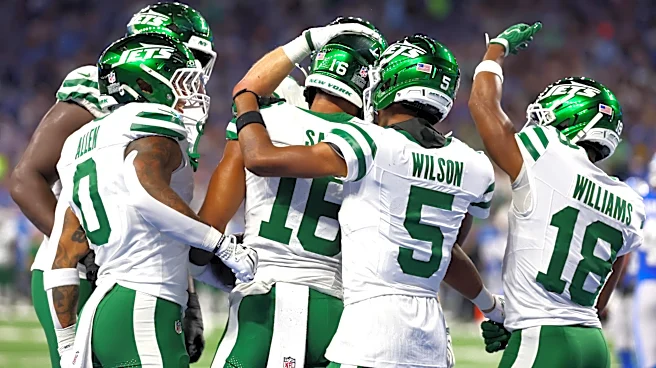

At the end of the first half of the Detroit Lions’ Week 3 game against the New York Jets, the Jets had eight seconds left to cut into Detroit’s lead.
On the first play, the Lions deployed a common defense, which was to have several defensive backs lined up deep, and another set of players guarding the sideline. Given that the Jets had no timeouts left, the Lions were trying to ensure that any play toward the boundaries would be stopped in bounds, forcing the clock to run out, or defend against a hail
mary.
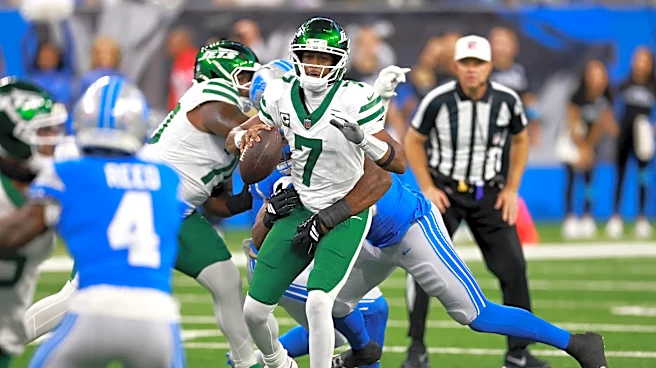
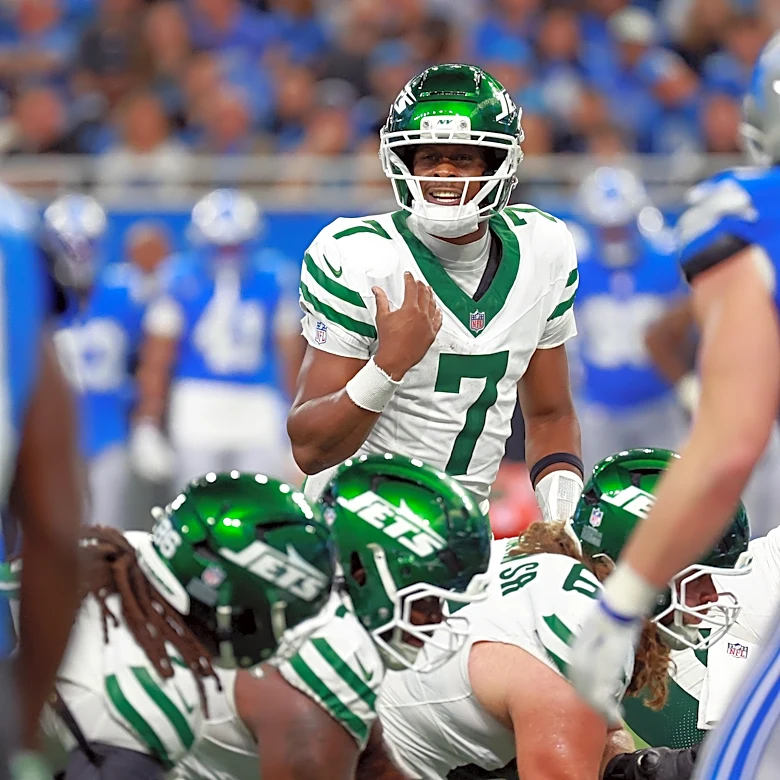
That defense worked, and Jets quarterback Geno Smith couldn’t find an open receiver by the sideline.
That left three seconds left in the half, and the Lions essentially deployed a very similar defense. That raised questions about the strategy, since it doesn’t seem necessary to defend the sidelines anymore, given that a normal play would almost certainly exhaust all three remaining seconds. And by having defenders on the sideline—not in the end zone or not as part of the one-man pass rush—it looks like wasted defenders.
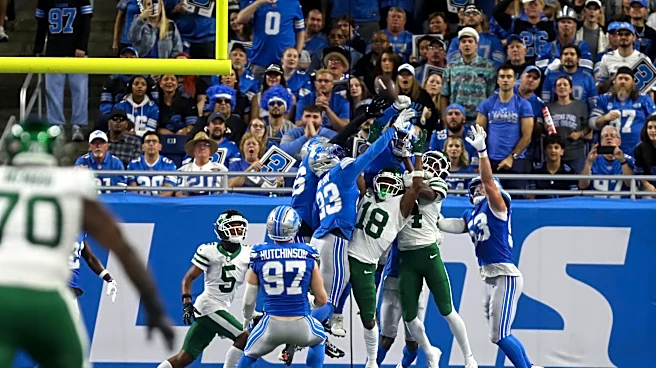
The Jets’ hail mary attempt fell harmlessly incomplete, but it still felt like an unnecessary risk.
On Thursday, defensive coordinator Kelvin Sheppard defended the call, citing a specific situation they were defending against—without revealing what it was.
“We practice hail marys against that defense every week for six years. There’s a couple different ways you play the hail mary. We essentially have two to three different ways we can combat hail marys. The other alternative—my friend that was on the other sideline [Aaron Glenn]—knows it in an out, because we did it here for four years, and he was ready for it. A couple years ago, there was a certain team who exposed that certain defense, and if they would’ve thrown it to a certain player, we all would’ve been sick to our stomach. Luckily, they didn’t. I won’t reveal to the public what I’m talking about, but those that know, know. So I went into that game not only playing the Jets, but playing Aaron Glenn. […] We’ve practiced for six years that exact sideline defense, it converts against the hail mary and we practiced it every week, and I like where we were at.”
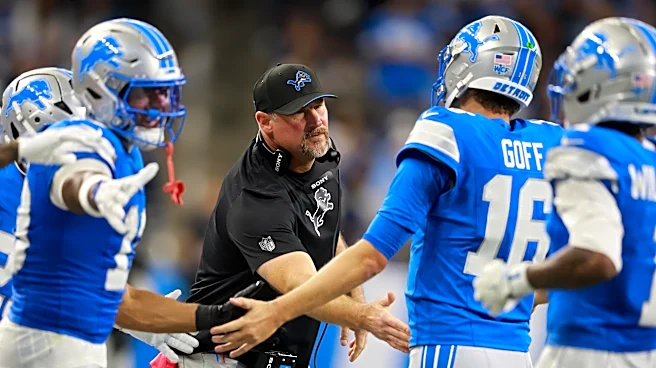
It’s not a very specific answer from Sheppard, and it matches coach Dan Campbell similarly vague defense of the play, as well.
“You can do one or the other,” Campbell said about not pass rushing on the hail mary. “And I think for us, let’s stay in it. We went back and forth talking about that last one. If anything, you could go last play and let’s just all defend the goal line. We’re not rushing anyway. I mean time, they’re just going to get back there and then let’s be where we’re supposed to be. We know we’re going up for the ball, cover man, get in front of them. I think it’s a little bit of flavor with where you’re at.”
Regarding the “wasted” players on the sideline, Sheppard refuted that characterization of those players, noting that by the time the hail mary was thrown, those players were near the goal line.
“At the end of the play, you see where they ended up,” Sheppard said.
Upon review, he is right that they were by the ball during the play.

It’s possible that those players are in place to defend the second wave of Jets receivers around the 5-yard line in case of a deflection back toward the field of play, but Sheppard didn’t provide any clarity.
In the end, the Lions are confident they chose the right defense, so don’t be surprised if they play similar situations the exact same way moving forward.