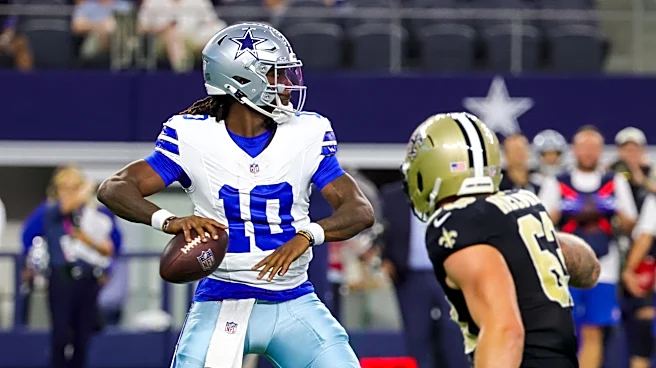

It is Day 15 of our 100-day countdown to kickoff. We are looking back at the 100 most iconic games in Dallas Cowboys history. The countdown will leads us right up to the opening game of 2026. Our look back doesn’t depend on just one criteria for our rankings. We take into consideration things like how big the game was for the organization, how memorable the game was, games that had unusual events take place, games that are a part of NFL lore, Cowboys firsts, and games where the Cowboys just plain
dominated. Variety is the spice of life and we have all different kind of Cowboys games to review. At the bottom, we’ll link each day of the countdown so you can go back and check out any you missed.
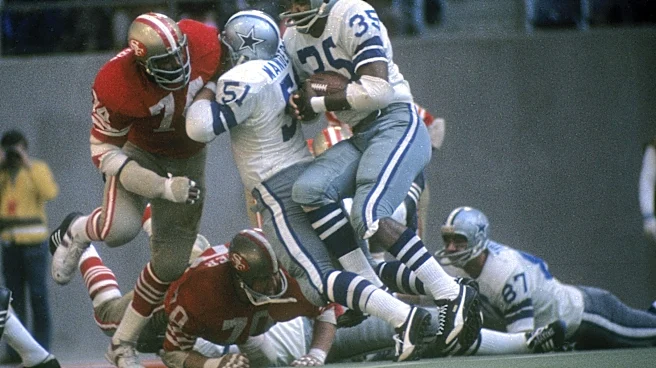
We’ve got a fun one here for Day 15 of our 100-day countdown to kickoff, when we revisit the victory that finally carried the Cowboys into the Super Bowl. After years of postseason disappointment, Dallas relied on Duane Thomas, two decisive interceptions and another dominant defensive performance to defeat San Francisco in the NFC Championship Game.
Sunday, January 3, 1971
Kezar Stadium, San Francisco, California
Final Score: Dallas Cowboys 17, San Francisco 49ers 10
The Cowboys’ path had not been straightforward. Dallas stood at 5-4 before winning its final five regular-season games to claim the newly formed NFC East with a 10-4 record. A grinding 5-0 playoff win over Detroit then sent Tom Landry’s team west to face the 49ers at Kezar Stadium.
San Francisco presented a serious challenge. Quarterback John Brodie had been named NFL MVP, while former Cowboys defensive coordinator Dick Nolan was now leading the 49ers against his old mentor. San Francisco had also eliminated the 12-win Minnesota Vikings on the road to reach the conference championship.
The 49ers opened the scoring through Bruce Gossett’s 16-yard field goal. Dallas struggled to throw against San Francisco’s defense, but Mike Clark answered with a 21-yard kick during the second quarter. Neither offense reached the end zone before halftime, leaving the game tied at 3-3.
Everything changed during the third quarter. After Brodie was sacked on first down, Lee Roy Jordan stepped in front of his next pass and intercepted it at the San Francisco 13-yard line. Thomas scored on the following play, breaking through several defenders for a 13-yard touchdown that moved Dallas ahead 10-3.
Brodie tried to answer by attacking downfield, but Mel Renfro intercepted an underthrown pass intended for Gene Washington. The Cowboys converted their second takeaway into another touchdown when Craig Morton found Walt Garrison from five yards out, extending the lead to 17-3.
San Francisco responded before the end of the quarter. Brodie connected with Dick Witcher for a 26-yard touchdown, cutting the deficit to seven points and ending Dallas’ long streak without allowing a touchdown. The 49ers still had an entire quarter to complete the comeback, but the Cowboys’ defense refused to break.
San Francisco’s best fourth-quarter opportunities went unfinished. Gossett’s long field-goal attempt fell short with approximately eight minutes remaining. Later, the 49ers faced fourth-and-seven with just over two minutes left, but Brodie’s pass to Ken Willard could not be secured in traffic. Dallas took possession and closed out their first conference championship in franchise history.
This game belongs on the countdown because it removed the barrier that had followed Dallas throughout the late 1960s. The Cowboys had lost NFL Championship Games to Green Bay in 1966 and 1967, then suffered further playoff disappointment in the following two seasons. Winning at Kezar finally placed Landry’s franchise on football’s biggest stage.
Interesting Facts About the Game
Thomas rushed for 143 yards, more than twice San Francisco’s entire team total of 61 rushing yards.
Countdown to kickoff
100, 99, 98, 97, 96, 95, 94, 93, 92, 91, 90, 89, 88, 87, 86, 85, 84, 83, 82, 81, 80, 79, 78, 77, 76, 75, 74, 73, 72, 71, 70, 69, 68, 67, 66, 65, 64, 63, 62, 61, 60, 59, 58, 57,56, 55, 54, 53, 52, 51, 50, 49, 48, 47, 46, 45, 44, 43, 42, 41, 40, 39, 38, 37, 36, 35, 34, 33, 32, 31, 30, 29, 28, 27, 26, 25, 24, 23, 22, 21, 20, 19, 18, 17, 16