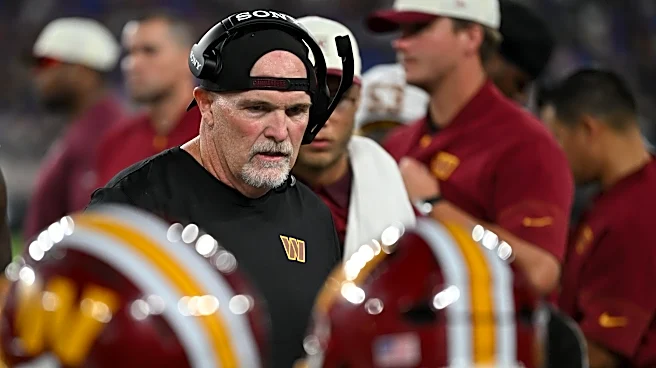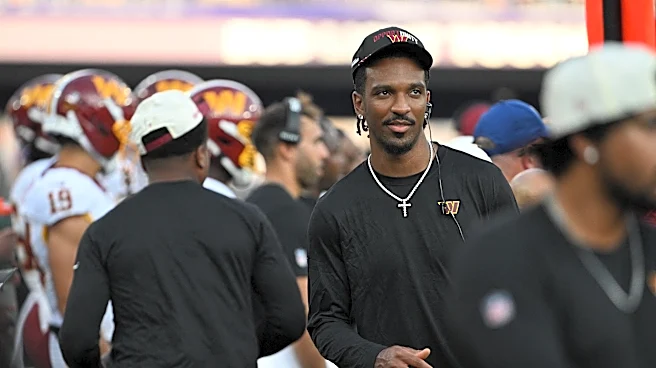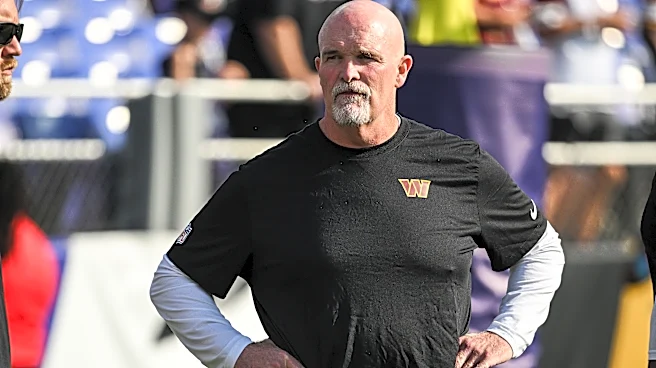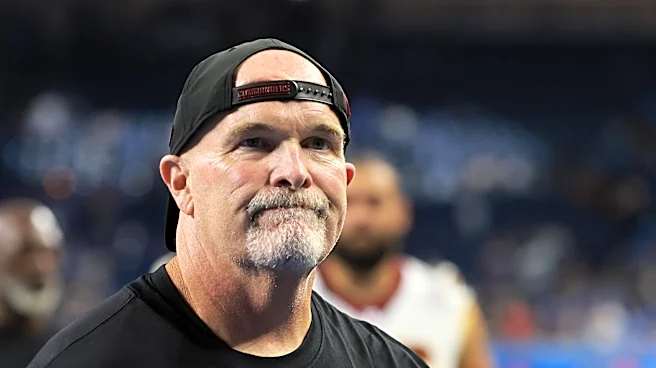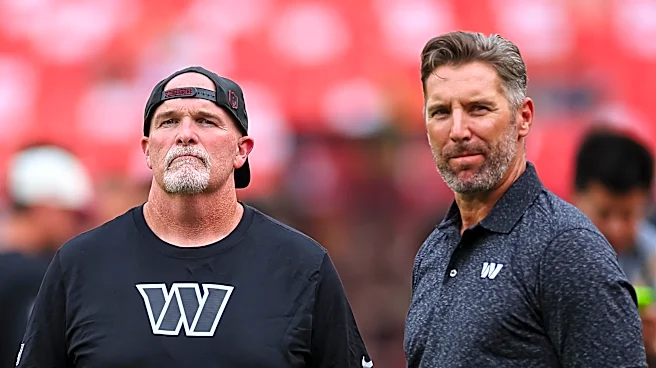


Recently, long-time sports writer Mike Tanier wrote a response to a question in his mailbag article attempting to validate the idea the Washington Commanders could be the “worst team in the league” this year. Part of his logic included the idea Adam Peters “should have stockpiled late-round picks and UDFAs and given the ones they did have better opportunities to win roster spots and roles.” Unfortunately, Mr. Tanier apparently hasn’t spent much time researching his subject.
The Commanders did come
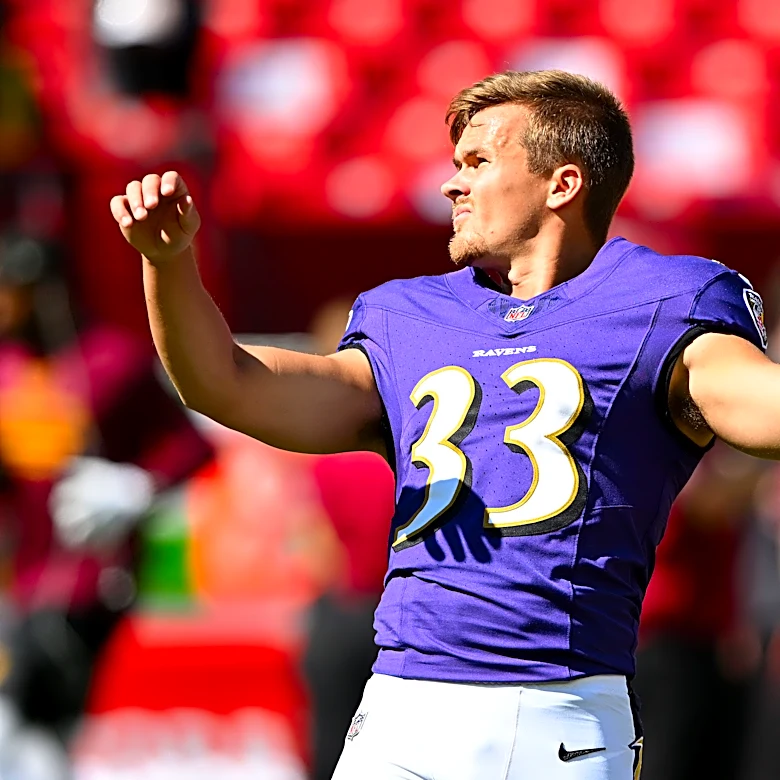
in below the league average in 2026 with nine undrafted free agent signings this year; well below the Baltimore Ravens league-leading nineteen. However, the lower number provided the coaching staff the opportunity to give those players more reps to actually compete for roles and have a chance to crack the roster. Undrafted free agent kicker Drew Stevens is the most obvious example, as Larry Izzo awarded him the starting role after the first preseason game, but there were others. The loss of Laremy Tunsil exposed concerns regarding the offensive line depth, and highly athletic, yet raw, guard prospect Tanoa Togiai found himself on the final 53-man roster while 2024 UDFA safety Tyler Owens also made it past final cuts over long-time veteran Will Harris.
Adam Peters has brought a fundamental shift in how Washington views and incorporates undrafted free agents. In 2024, the Washington Commanders paid the highest amount of guaranteed money to undrafted free agents in the league, signing Chigozie Anusiem ($300K) and running back Michael Wiley ($275K), and similarly awarded one of the highest guarantees of 2025 to offensive lineman Timothy McKay ($275K). While the COVID years are an understandable exception, Ron Rivera often signed a similar number of undrafted free agents. The perception, though, was that these hopefuls were given little, if any, real chance to win roster spots, with Rivera preferring to keep veterans like David Mayo in reserve roles.
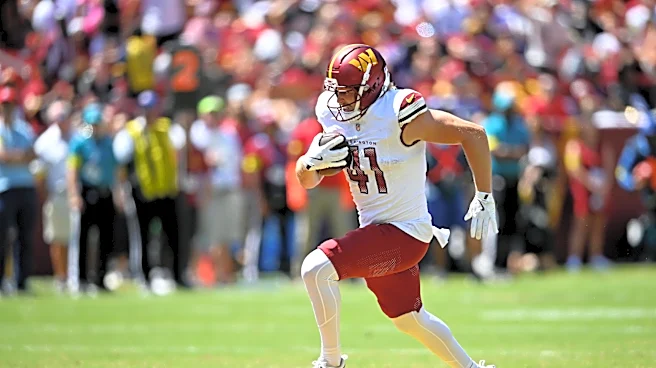
When Adam Peters and Dan Quinn arrived in 2024, they preached open competition as one of their core philosophies, and while that tenet may appear to be inconsistently held at times, it has rung true for their undrafted free agents. Tyler Owens and Colson Yankoff both won roster spots in 2024 based on their innate athletic ability and special teams play. Headed into 2026, both seem to be poised to claim a bigger role with the team based on their development and scheme fit.
Undrafted free agent linebacker Ale Kaho was somewhat of a surprise addition to the roster in 2025, but he won a spot based on his performance in the preseason and tackling ability. While Kaho has been relegated to the practice squad this year, he holds value as a potential depth piece to elevate during the season and a prospective member of the roster in 2027. While Kaho was the only UDFA to make the final 53-man roster in 2025, fellow undrafted free agent Ricky Barber made good on his potential in 2026 and is slotted in as a replacement for Johnny Newton in the current lineup. Throw in Drew Stevens winning a starting role as the kicker and Tanoa Togiai’s inclusion, and it would be fair to say Adam Peters has found some success signing undrafted free agents. Given the number of mid-to-late round picks given away in various trades, the unexpected additions are welcome, but do they really have any significant impact on the speed of the Washington Commanders’ recalibration?
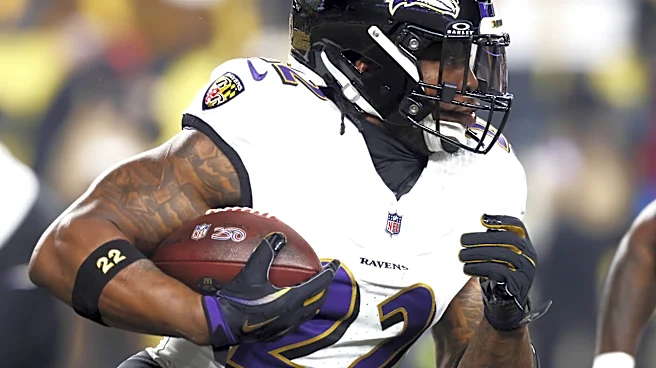
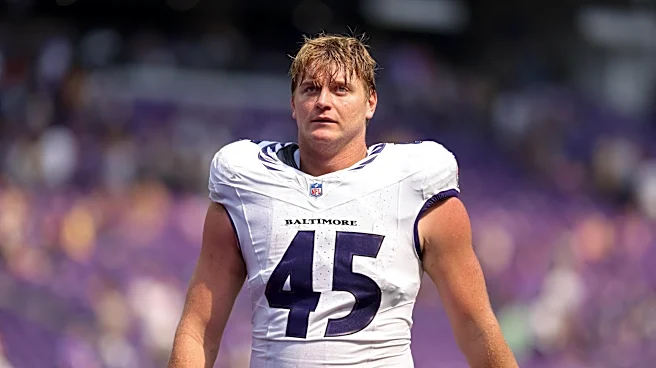
To answer, we take a look at an NFL franchise known for their success with undrafted free agents, the Baltimore Ravens. Over the last past five years, 92 undrafted free agents have earned a role on the Ravens active roster or practice squad, the most in the league. Baltimore has had at least one undrafted rookie on their initial 53-man roster for 22 of the last 23 years, with the exception being a COVID-limited year in 2020. The undrafted free agent market has become quite competitive over the years, with teams scrambling to sign players as quickly as possible. So what is the reason for their success? Mark Azevedo, Baltimore’s current director of player personnel, coordinates not only with the scouting department but also the coaching staff. While Azevedo certainly doesn’t discount the hard work done by his team, he knows that Baltimore’s best advantage is their own proven track record of undrafted free agents making the team.
In short, success breeds more success. That is why the accomplishments of players like Tyler Owens and Colson Yankoff, along with a high-visibility role for Drew Stevens, may aid Adam Peters in his roster-building efforts going forward. As the team continues to face frequent roster churn along with a potentially high-value contract extension for Jayden Daniels in the near future, continued success in the UDFA market could play a role in helping restore the long-term success of the franchise sooner than later.
This article contains statistics and information on the Baltimore Ravens from Ryan Mink, managing Editorial Director for Ravens.com. To read his full piece on the Ravens’ success with UDFAs click here.