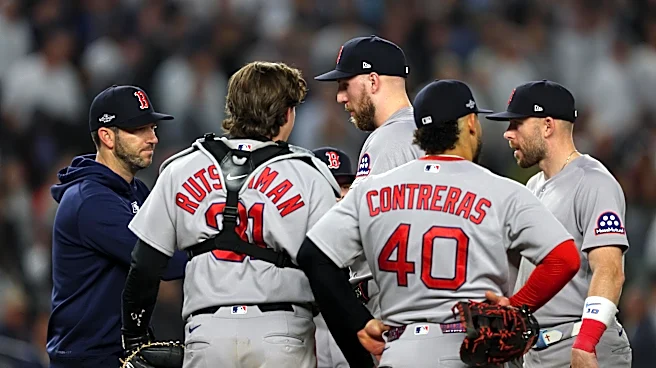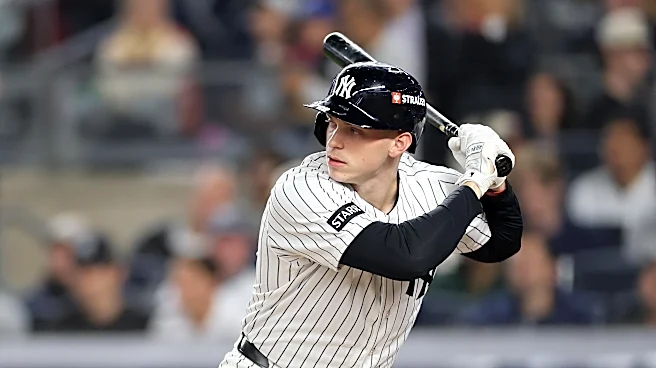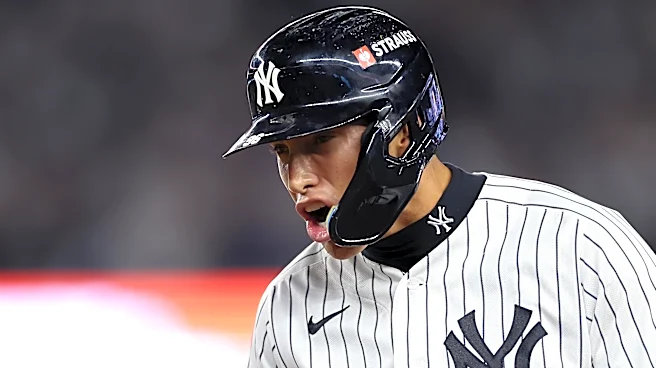



Welp, the Yankees forgot to bring their bats to Game 1 against the Rays and now they forgot their gloves in Game 2. Five errors in the first five innings destroyed any advantage they might have gained from Cam Schlittler starting, their self-immolation eerily reminiscent of the fifth inning collapse in Game 5 of the 2024 World Series. In an attempt to cling on to a positive memory of these playoffs, I present our first At-Bat of the Week of the 2026 postseason, this edition featuring George Lombard
Jr. in Game 2 of the AL Wild Card Series against the Red Sox.
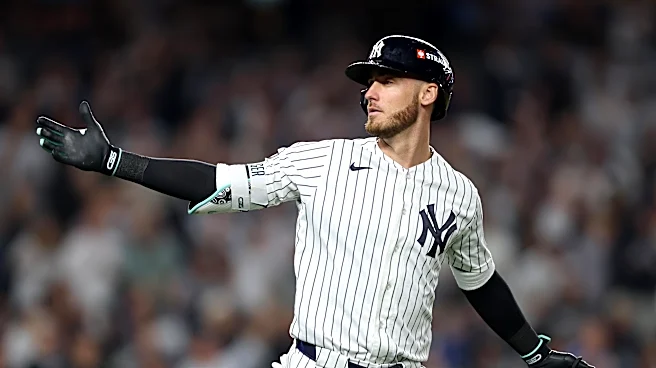
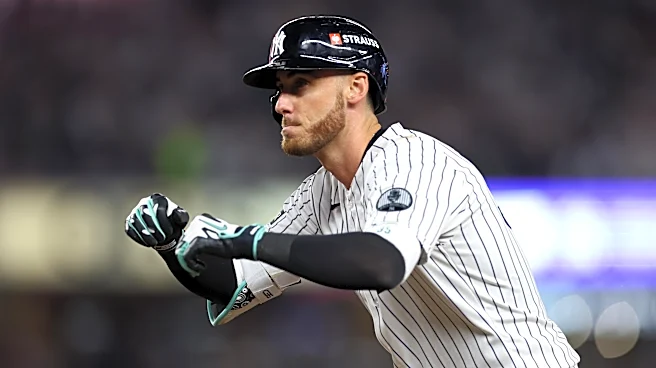
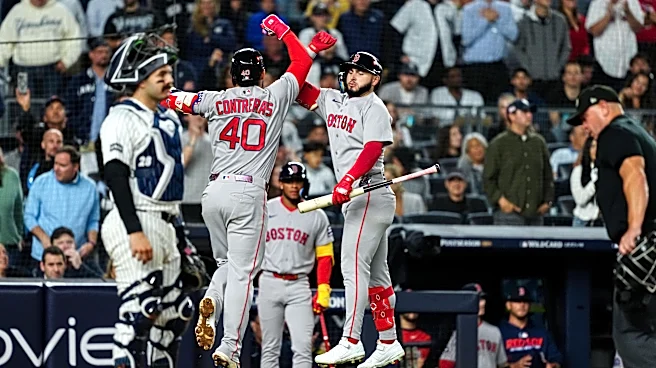
We join Lombard with no outs in the sixth inning last Wednesday at Yankee Stadium. The Yankees blew Boston’s doors off in Game 1, 9-0, on the back of Ben Rice’s historic two home run, six-RBI performance. That game was close until the Yankees blew things open in the eighth, and this game is following a similar pattern with Max Fried and Sonny Gray largely holding both offenses in check.
And just like in Game 1, Chad Tracy came out with a quick hook for his starter, which is how we see Garrett Crochet pitching out of the bullpen to open the sixth. Crochet hadn’t thrown an MLB pitch since April, missing most of the season with a left shoulder injury, but made it back just in time to sneak onto the Wild Card roster. Spencer Jones stands on first after reaching on a leadoff strikeout wild pitch, and as we’ll soon see his hustle down the line will prove to be the turning point in the game.
I can almost guarantee that Lombard and everyone else in the stadium is expecting Crochet’s first MLB pitch in over five months to be his overpowering four-seamer. Perhaps Crochet looks to play off this expectation, because he introduces a wrinkle with a first pitch cutter trying to get a hitter sitting four-seamer to chase below the zone.
The intent is sound but the execution isn’t quite there. This pitch starts as a ball low out of Crochet’s hand and never looks like a strike. Lombard isn’t tempted to chase and spits on this cutter for ball one.
After showing Lombard a fastball that breaks glove-side, there is an opportunity for Crochet to steal a called strike inside. His four-seamer breaks in the opposite direction as the cutter, so a pitch that starts a little in off the plate and tails back to the inside edge should freeze the hitter.
It’s clear Crochet’s command is rusty given he misses his target on the opposite side of the plate. He wants to get this four-seamer in under Lombard’s hands but instead lands it low and away, just out of the zone. It still requires an impressively disciplined take from Lombard given it lands mere inches from the outside edge, made doubly difficult considering it immediately follows a cutter that breaks toward the plate from outside to in.
Lombard has worked the count leverage in his favor, 2-0. You’d expect most pitchers to come into the zone with a heater to avoid falling behind, 3-0, especially a pitcher with as blazing a fastball as Crochet’s.
Lombard completely sells out for the four-seamer and is made to look a little bit foolish on this back foot cutter. Make no mistake, this is a filthy pitch from Crochet. It looks like a strike middle-down out of the hand before the late movement zips it down and in under Lombard’s bat.
So far, the cutter appears to be coming out of Crochet’s hand a lot better than the four-seamer. After getting the chase and whiff on the previous one, he doubles up with another back foot cutter.
Crochet is able to pinpoint the bottom rail of the zone with this cutter for called strike two. Lombard is taking all the way to give Jones the opportunity to steal second . It’s a good thing he didn’t swing, because an errant throw to second from Adley Rutschman allows Jones to take the extra base, putting him 90 feet away from scoring an invaluable insurance run. Even if Jones hadn’t been running on the play, I still like this take from Lombard — this pitch had tailor-made groundball written all over it.
In the span of two pitches, Crochet has swung the count leverage in his favor, from 2-0 to 2-2. Having shown Lombard three cutters out of four pitches and with his first chance for a strikeout, Crochet attempts to gas a four-seamer by the Yankees rookie, the pitch coming in seven mph faster and with eleven inches less drop than the cutter.
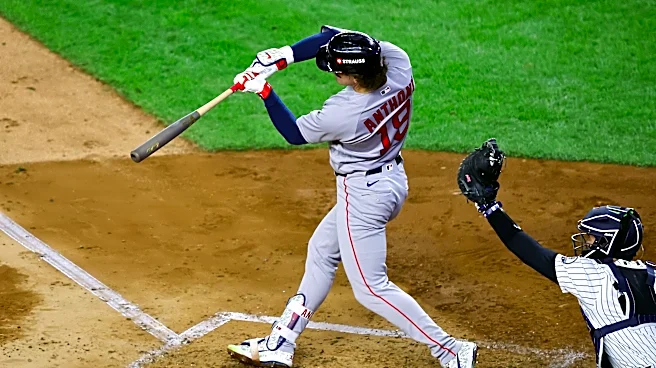
What a swing by Lombard! This is a nasty heater from Crochet, 98 mph and just off the corner up and away. The situational hitting by Lombard is mature well beyond his 21 years. Living by the old adage of hitting the ball back the way it came, Lombard stays through this outside heater and shoots it to the opposite field for an RBI single. It’s such a simple approach and swing — short and compact to the pitch making sure to stay behind the baseball — the rookie not trying to do anything more than the pitch will allow him to do, knowing that solid contact the other way is almost certain to get the run in.
Here’s the full AB:

Proper credit has to be awarded to Jones as the precursor to this AB. Not giving up on the play when he struck out, the wheels to steal second and then the awareness to see the ball rolling into center and take off for third put Crochet on the ropes, and Lombard’s single opened the floodgates. To get that kind of mature contribution from a pair of your homegrown rookies in the playoffs against your age old rival is such a shot in the arm for the rest of the team. And returning to Lombard, I cannot say enough about how mature his approach was in this AB. It would be easy for any player, especially a 21-year-old rookie in his first postseason, to let the tension and stress creep in after Crochet quickly flipped the count from 2-0 to 2-2. However, he clutched up and came through with one of the finer pieces of situational hitting you are likely to see this postseason, giving his team an indispensable two-run cushion and setting the stage for the fireworks that would follow later in the frame.