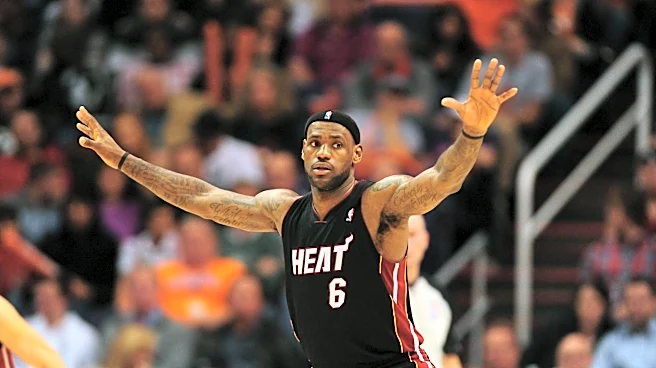


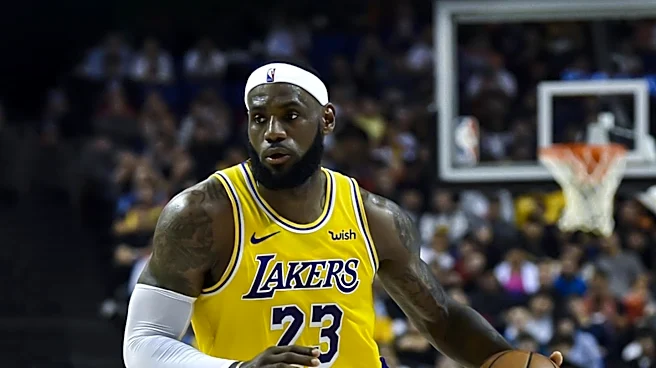
The 2026-27 season is a couple of months away from tip-off, yet striking parallels, sometimes uncanny, to the 2018-19 season are hard not to notice, even to the ‘casual’ eye. For one, LeBron James will be playing for a different team come October after spending the last eight years under the bright lights of LA, marking the end of his longest stint with a franchise. The Raptors, on the other hand, are still awaiting the conclusion of the league’s investigation regarding the trade that would reunite
them with the 2019 Finals MVP, Kawhi Leonard.
As similar as the storylines are from seven years ago, context should be taken into consideration, given the drastic difference in the landscape of the league and the reality of aging. Leonard will be entering his 15th season in the league, joining a Raptors roster that has yet to hit their summit, as players and as a unit.
That is not to say that these parallels are superficial, as there are some similarities worth noting for their relevance and substance. LeBron might have signed for a discounted veteran’s minimum, but the whole free-agency saga was built around his impending decision at that time because he’s still a high-end talent, and any team that gets him will automatically be tagged as championship contenders.
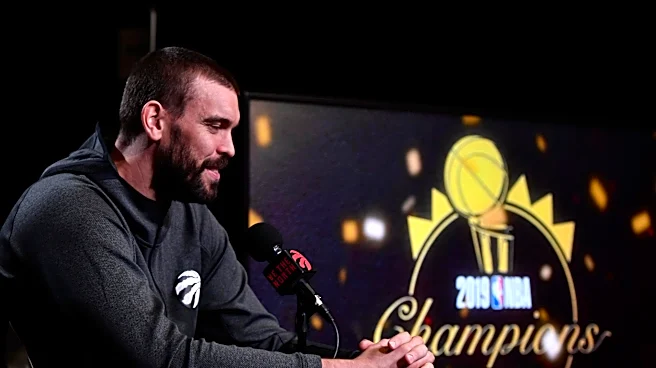
The same goes for the Raptors. Kawhi raises expectations for Toronto, just as his arrival did eight years ago. One thing that flew under the radar for non-Raptors fans, however, was how the roster differed from the start of the season to its climactic conclusion in June that year. The Raptors traded for Memphis Grizzlies’ long-time centre, Marc Gasol, at the deadline.
Insiders’ insights
ESPN’s annual summer forecast allowed NBA insiders to weigh in on hypothetical scenarios and how likely they are to occur in this upcoming season. Such scenarios include teams that are likely to outperform expectations, or do the complete opposite and underachieve. Out of the bunch, the Raptors were listed in just one category — teams that will likely pursue a ‘big’ trade before the trade deadline.
Toronto placed fifth in a five-way tie, having received one vote among the panelists. Needless to say, teams like the Golden State Warriors, who ranked first league-wide, are expected to be major buyers come February, given their missed opportunities to add franchise-altering names like James and Giannis Antetokounmpo, who were said to have been pursued by the team to pair with Stephen Curry for one last-ditch effort at opening another contention window.
The Raptors are not expected to be at this level of conversation come February, but a vote indicates that there’s a real possibility they make a subtle yet impactful deal midseason. While Leonard was the driving force and the central piece of the 2019 championship, Gasol allowed them to realize their ceiling.
The last domino to fall for the 2019 Raptors
Gasol, at 34 years old, was still one of the league’s premier passing big men, with a newly developed three-point shot that commanded coverage, stretching defences in the process. Given his age, he was still an elite defender, an effective anchor in the paint and, at the same time, managed occasional switches with quicker perimeter players. Some, however, thought that the Raptors gave too much depth after trading away rotation pieces C.J. Miles and Delon Wright, and settling for an older big man than the one they had in Jonas Valanciunas.
This move would eventually pay dividends for Toronto as Gasol’s passing ability provided another point of concern for opposing defences, as he threaded the needle to open teammates, seemingly operating as a point guard in a big man’s body. His defense, however, was the real game changer during their title run. Golden State’s depleted big-man rotation proved no match for Gasol, as he adjusted comfortably to any matchups he was put on. He also played a crucial role in limiting Curry’s attempts from beyond the arc through blitz coverages. Against the Bucks, Gasol was a key component of the Raptors’ ‘Wall’ that proved effective in deterring Antetokounmpo from taking shots within close range. His most notable contribution, however, came in the grueling seven-game series against the Philadelphia 76ers, where he was matched up with arguably the league’s best center at the time, Joel Embiid.
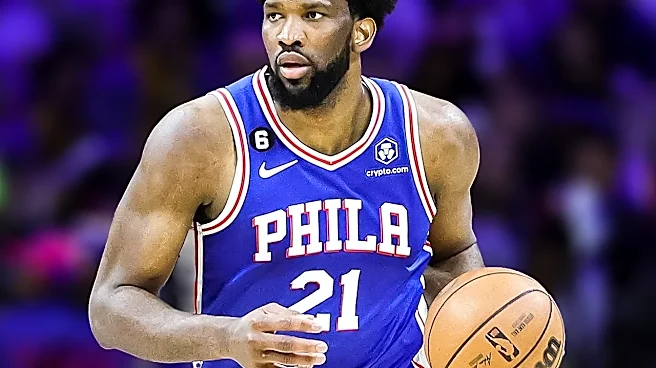
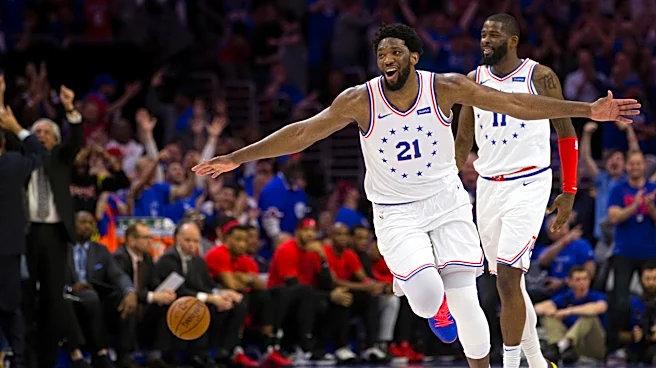
Gasol held Embiid to just 17.6 points a game, coupled with an inefficient 37.1% field goal percentage, as Toronto outlasted Philadelphia in a thrilling Game 7 buzzer-beater by Leonard over Embiid himself.
What could the 2026-27 Raptors learn from this trade?
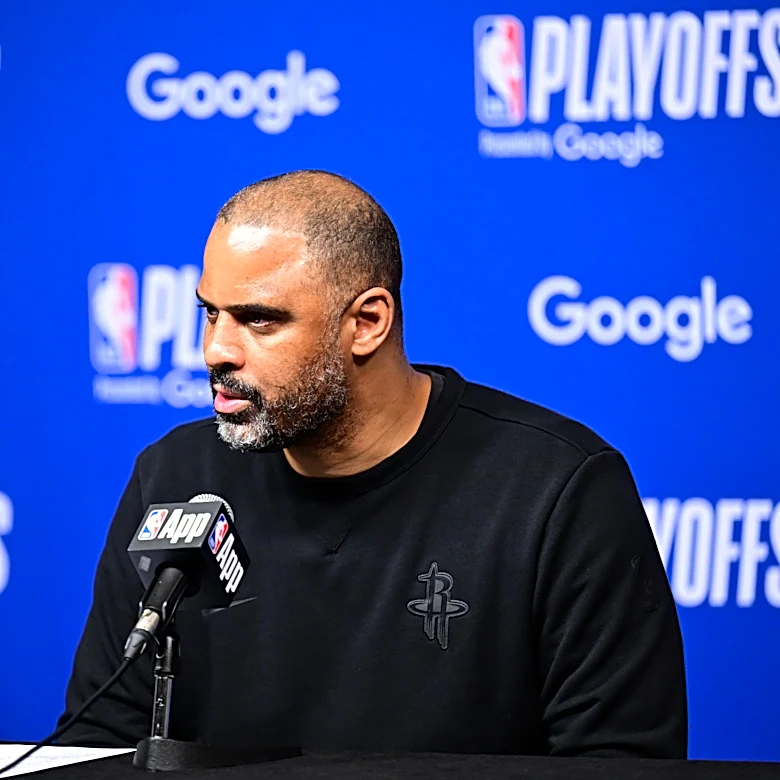
Barring Kawhi’s second coming, the Raptors are not the same team they were seven years ago. The roster’s youth is a glaring distinction from the 2019 squad, composed mostly of seasoned veterans with playoff experience. Not to mention, the head coaches’ philosophies are opposites of each other: Nick Nurse had a heavy reliance on individual skills, while Darko Rajakovic’s takes a committee approach.
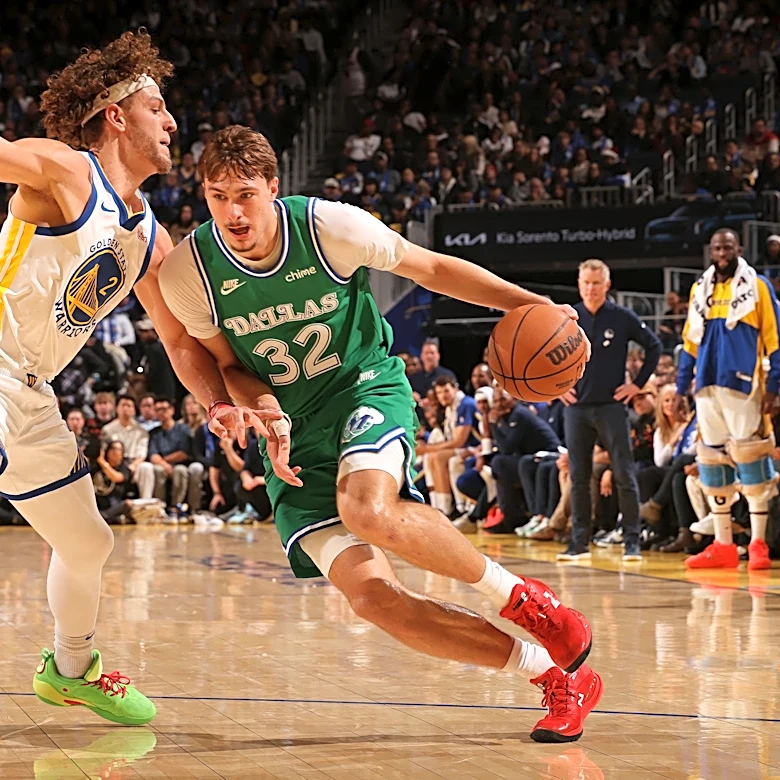
Likewise, team needs vary in both iterations, considering the difference in player utilization and how they mesh with each other. Front-court depth and perimeter shooting emerge as the most concerning gaps for this year’s team. While hybrid centre-forwards like Collin Murray-Boyles emerged as effective small-ball options, it won’t be sustainable long-term given the increasing prevalence of skilled big men. While the Raptors could experiment more on recent acquisitions like Trayce Jackson-Davis and Trey Jamison III, a trade surrounding a center is something to keep an eye on, especially if rebounding deficits and interior mismatches persist.
Rajakovic utilizes his wings as secondary playmakers, switchable defenders, and as floor-spacing and cutting options. With the impending departure of Gradey Dick, the minutes allocation will be distributed between two breakout rotation pieces from last season. Jamison Battle and Ja’Kobe Walter both received their fair share of playing time last year, as Dick and Ochai Agbaji gradually faded out of the picture. With Dick expected to be moved regardless of the trade’s completion, Battle and Walter are expected to fill in those minutes and provide a well-needed boost on three-point shooting and perimeter defence.
The potential acquisition of Kawhi does not mean the team figures out everything from the get-go. Compromises from the roster and coaching staff alike will have to be made as the season progresses and players settle into their roles. Take the 2019 squad for example, where players like Fred VanVleet spoke about uncertainty with fit, particularly Kawhi’s 60-game limit for the entire season, which he deemed insufficient for Leonard and his teammates to develop familiarity with each other’s play.
However, the front office saw enough from that 60-game window that warranted them making a deal for the Grizzlies’ big man, given the team’s needs and his potential fit with the rest of the roster. If the trade for Gasol taught us anything, it’s that a team may take until the midseason to reveal its true identity. Toronto took 55 games into the regular season before eventually trading for their starting big man, as their real gaps began to show. The Raptors don’t necessarily need another Gasol; what it needs is a keen eye from the scouting department and front office to identify team flaws and search for personnel who solve those problems.