

Here we are again. We here at SLC Dunk can whisper to you sweet dreams that each game is an encouraging sign that the team is trending in the right direction, but the harsh reality is the Jazz are 1-11. Games are more about keeping your dignity and pride as an organisation, steering clear of the team’s worst start in franchise history (1-17), when you’re trying to win games. The musty odor the Jazz emit with each fourth-quarter meltdown escalates.
Hopes of a late-blooming win streak were swatted yet
again on Wednesday, when the middling Orlando Magic forced a 21-5 run at the Delta Center without a single Jazz timeout. Will Hardy had the young fella’s play through their mistakes, which blew up right in their faces. This was a common culprit in how the Jazz lost games during their tanking years, but it simply cannot carry over in a supposed ‘winning’ season.
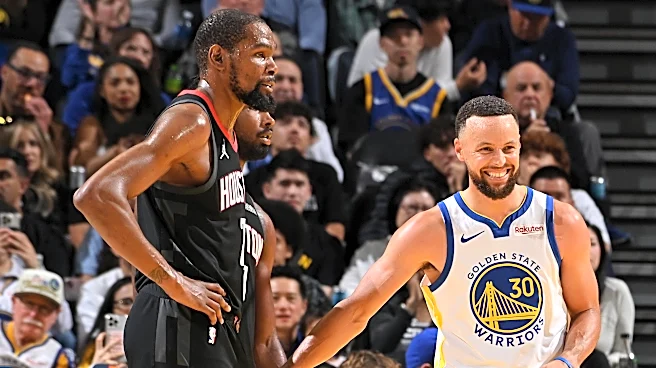
The lucky opponent that gets to face the Jazz is the 9-3 Houston Rockets; both teams will play their second game of the inaugural NBA Cup, where Utah has already fallen 0-1 in their first match against the Dallas Mavericks. The Rockets, on the other hand, are also 0-1. To claim one of the NBA Cup’s ‘wildcard’ spots, both teams will essentially need to be undefeated the rest of their games while also tallying up a high point differential to beat out the others.
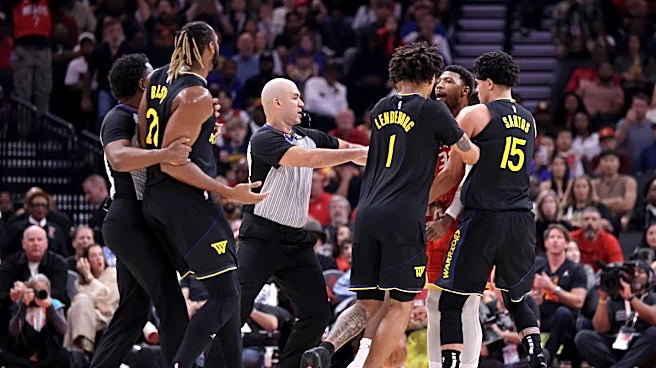
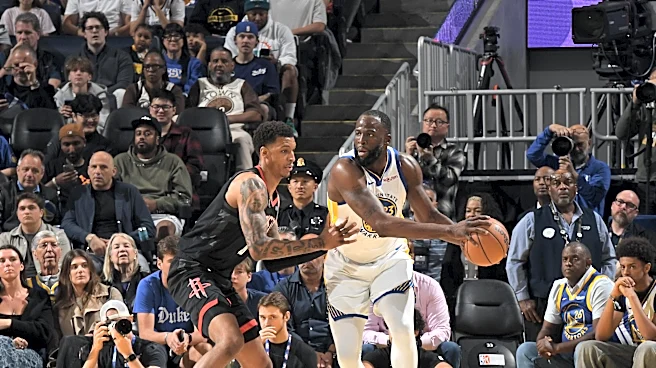
Houston has followed the NBA’s trend of moving past dying minimalism, rebranding with a new uniform set featuring ketchup and mustard to honor the Hakeem Olajuwon era. Their on-court play has transformed them into a formidable Western Conference contender by focusing on a two-way balance. They post a top-five offensive rating (119.3) and allow 106.5 points a game (4th in the NBA). The Jazz will need to play better than perfect to avoid being locked in the doghouse. It can’t be too hard, right? After all, they won’t have to be hand-checked by former DPOY Marcus Smart; he’s suspended for throwing a mean right hook at the face of Charles Bassey.
Injury Report
It’s up to Utah to defend inside the arc
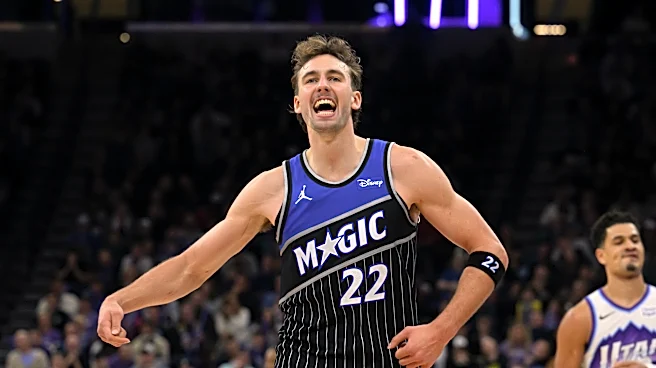
Wednesday night saw Franz Wagner be the man of the hour by scoring 12 of his career-high 38 points in the fourth quarter, blowing a kiss to the Utah crowd in his finishing act. The Jazz were vulnerable defending the pick-and-roll, leaving driving lanes open that allowed Wagner to viciously attack the paint.
The Rockets’ brand of basketball generares a massive share on physical size and high-volume two-point scoring. Houston averages 12.9 offensive rebounds per game, led by 6’7” Amen Thompson grabbing 3.1 offensive boards a game.
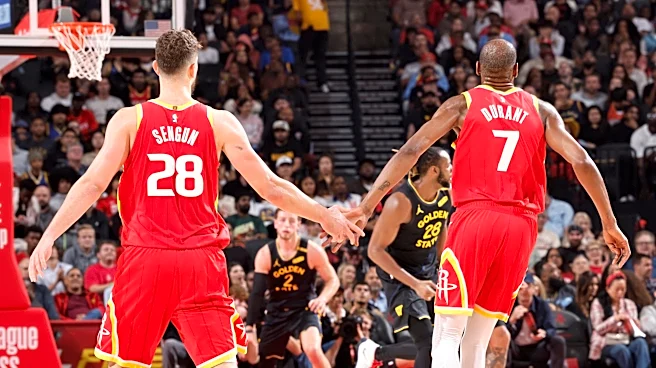
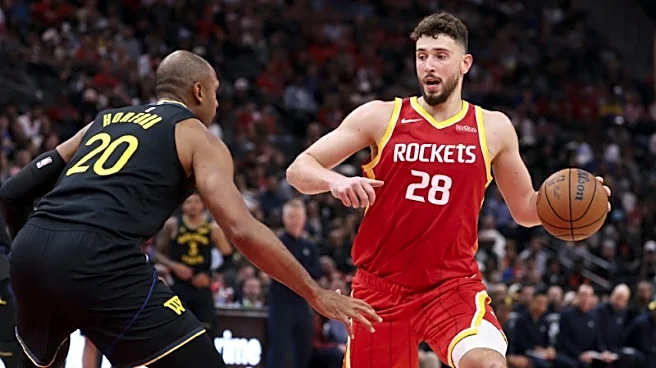
All-Star Alperen Şengün dictates the team’s gravity out of the post and elbows, pacing the squad with 21.1 points, 9.4 rebounds and 7.9 assists. He experienced some inefficiency early on in the season, but his footwork and passing vision are something to be cautious about; Utah can’t be caught slipping on backdoor cuts.
The clearest path to exploiting Houston is to attack their secondary. Early-season injuries have left Steven Adams and Clint Capela sidelined, forcing them to play deep on their bench, where we’ll likely see our old pal Oscar Tshiebwe weather the storm. Utah’s second unit is as unpredictable as ever. They can blow a double-digit lead in minutes, or they can also hold down the fort and score 41 bench points against the Orlando Magic. The key is to wear down the non-Şengun minutes by punishing smaller lineups, putting Utah in a strong position to stealan NBA Cup Group Stage matchup.

Win or lose, we’re watching Darryn Peterson
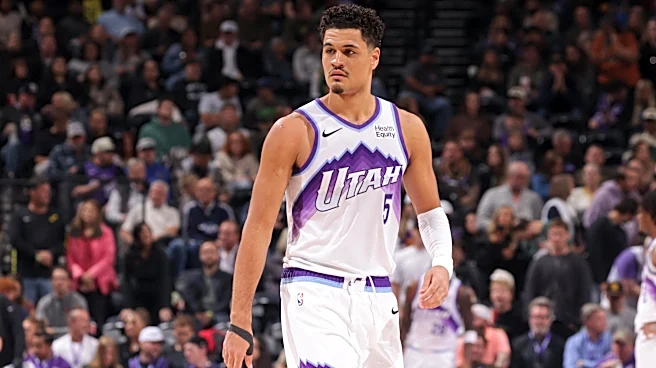
Truly, the last week has seen some ridiculous stuff from 19-year-old Darryn Peterson.
The Jazz rookie broke out in his latest scoring surge, averaging 23.5 points, 4.0 rebounds and 4.5 assists on 47/38/92 shooting splits over his last three games. I mean, a near 50-40-90 from a 19-year-old rookie is pretty good, right?
Peterson also set a new NBA career high with 26 points against the Timberwolves on November 9, scoring in all four quarters without attempting a single free throw. Alongside his efficient shooting (39.4% from three over the four games), he chipped in on defense with five steals and four blocks total, highlighted by a three-block effort in Dallas.
Utah leaned more on Peterson as its No. 1 option this week after Keyonte’s injury, unlocking higher scoring volume while maintaining his playmaking ability. His season scoring average jumped to 16.3 points per game, moving him to No. 4 on the latest NBA.com Kia Rookie Ladder, up from 6th.
Win or lose, Darryn Peterson playing a good brand of basketball is what brings in tickets. If all else fails, the one thing the Utah Jazz do have is their faith in their #2 pick. As long as he’s on the court, there’s at least one Jazz fan smiling at their TV, because the future has never been this bright for a kid from Canton.
The next man up
All we’ve heard about Peterson. Before that, Keyonte George had to carry scoring duties on his back in the midst of Utah’s injuries to their frontcourt. It was only recently that Ace Bailey finally began to regain his stride. But the issue is that Utah needs one more guy to step up — someone who makes just enough of a contribution so it doesn’t feel like Utah has to fight tooth and nail with .500 teams every single night.
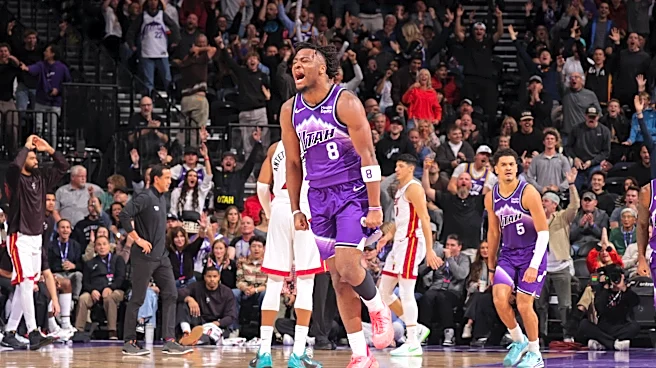
Is it Isaiah Collier? Was it really all it took- a banged-up shoulder for him to have his Thunderstruck moment? I should remind you he hadn’t hit a single triple all season before his perfect 4-for-4 night over Miami. That was then followed by another made three-ball against the Magic. In all honesty, all that’s needed is for Collier to shoot an amount that at least has his opponent respect his three-point range. The dream is for him to learn how to play more off-ball, while simultaneously addressing his weaknesses in navigating ball screens and managing overall defensive rating metrics
Brice Sensabaugh’s role has continually fluctuated through this twelve-game opening stretch. His 23 minutes against the Magic were the most he’s played all season. Sure, Brice can shoot the rock. But the harsh truth is he’s been unproductive in every other facet of the game. He can’t swing the ball; his defense negatively impacts the team, and has shown some really discouraging off-ball lapses. If his shot isn’t falling, then that really hurts the Jazz. Having Brice be the ‘next man up’ means he should be hunting quick-trigger catch-and-shoot threes that could hopefully have a butterfly effect in swinging the game’s momentum.
Svi Mykhailiuk has been through an otherworldly shooting funk. I consider myself a Svi truther more than others, but he’s had a longer leash compared to other years, despite his 28/21/50 scoring splits—no, that’s not a typo. Averaging an honest 16.1 minutes per game, really, shooting above 50% from the field should be the realistic goal.
When is Will Hardy finally going to acknowledge his two-way guys? The expectation was that Kobe Bufkin and Harrison Ingram were going to get their shine after Lauri Markkanen was sidelined, but that moment has yet to come. Instead, Will Hardy opts to reduce his already short-handed rotation, staggering Darryn Peterson and Ace Bailey with the second unit. But when you’re 1-11, you really just have to try anything in your arsenal. You don’t have time to see if the guys on a cold streak can ‘work through their struggles’. Now, it’s about who can contribute right this second.