


The New England Patriots are battered, bruised… and successful. Despite having lost multiple starters and valuable contributors to injury already this season, they are entering their Week 7 game against the Chicago Bears with a 4-2 record and very much in the running for a playoff spot in the AFC.
Of course, so are the 4-2 Bears in the NFC. Plus they have the home field advantage on Thursday night and not quite the same injury woes to deal with.
So, how can the Patriots beat them? Here are three things
that will be important if they want to come away victoriously and head into their mini bye as a five-win team.
Limit explosive runs
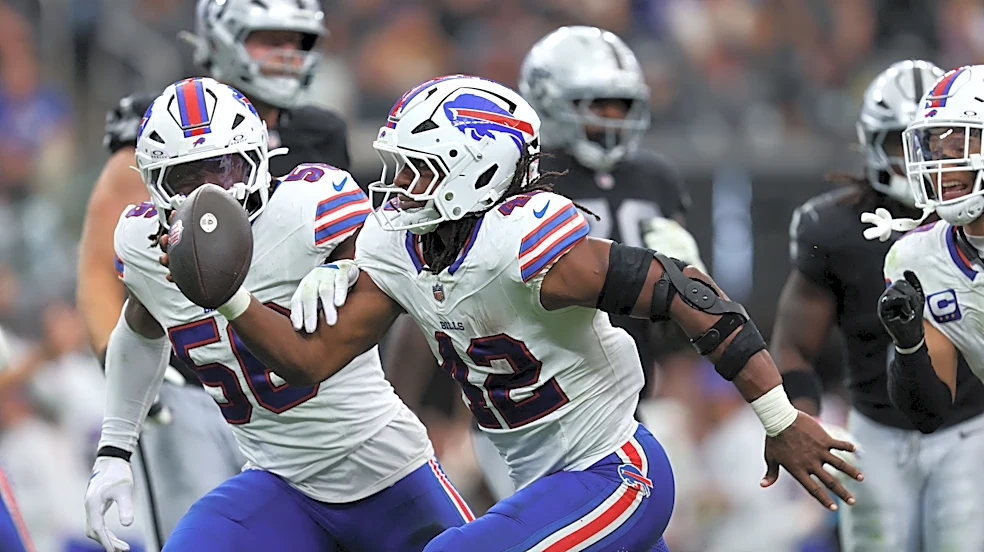
The Bears are entering Thursday night ranked first in the NFL in rushing attempts (216), first in yards (964), and second in touchdowns (13). They are also 11th in yards per attempt (4.5) and 12th in EPA per run (-0.076). Theirs might not be the most efficient run game, but it certainly can get the job done and can dictate how the game is played: Ben Johnson’s offense has run the second-most plays in the league through six weeks.
In order to keep up with the Bears, the Patriots need to find a way to limit the impact the run game has. For a unit ranked above-average in all the categories above except EPA (-0.072; 24th), it should be doable.
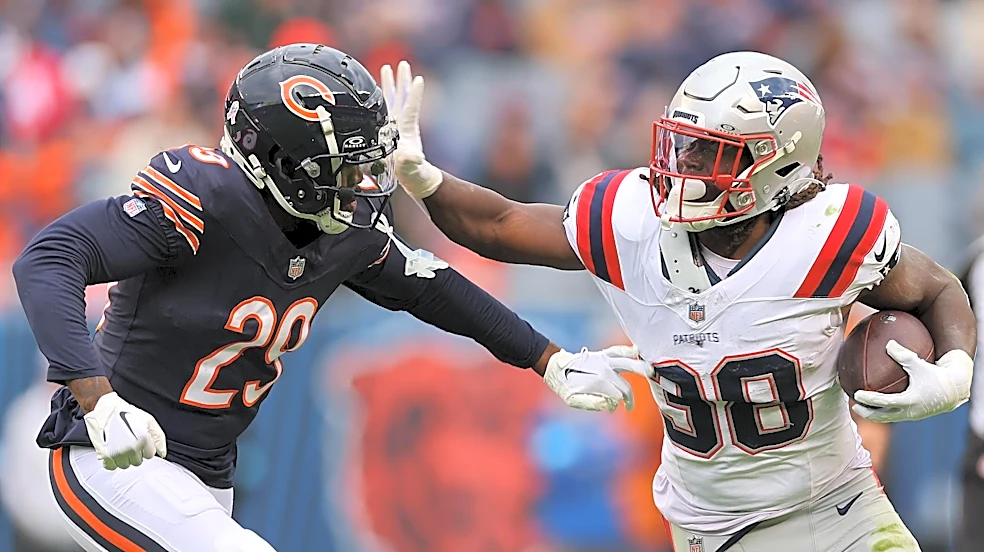
That being said, New England has shown some weaknesses on Sunday versus the New York Jets: the team gave up four explosive runs of 10 yards or more. Going against a Bears offense averaging 3.8 explosives per game, this could become an issue that would play directly into Chicago’s hand.
Luckily for New England, the team’s most consistent home-run hitter will not suit up on Thursday: thumb and toe injuries have forced the Bears to rule Kyle Monangai out. Monangai, who forms a potent 1-2 punch with starter D’Andre Swift, has had seven explosive runs so far, including a 61-yard touchdown. Obviously, Swift is able to generate big plays as well, but the dual-threat element is not quite the same with one of the two inactive.
Defend the second play
The modern-day NFL quarterback is not confined to the pocket and solely winning with a combination of processing, decision-making and arm talent. While a Tom Brady-type would still be able to succeed, of course, it is a dying breed in today’s league: the quarterback of the 2020s is more mobile and able to threaten defenses in a variety of ways with his arm and his legs.
Patriots fans, join the game-day huddle!
Follow every snap and discuss every decision with fellow fans on the SB Nation app.
- Connect through our live game chat
- Browse with fewer ads
- Seamlessly move between communities
- Enjoy faster commenting and posting
Download the SB Nation app on iOS or Android.
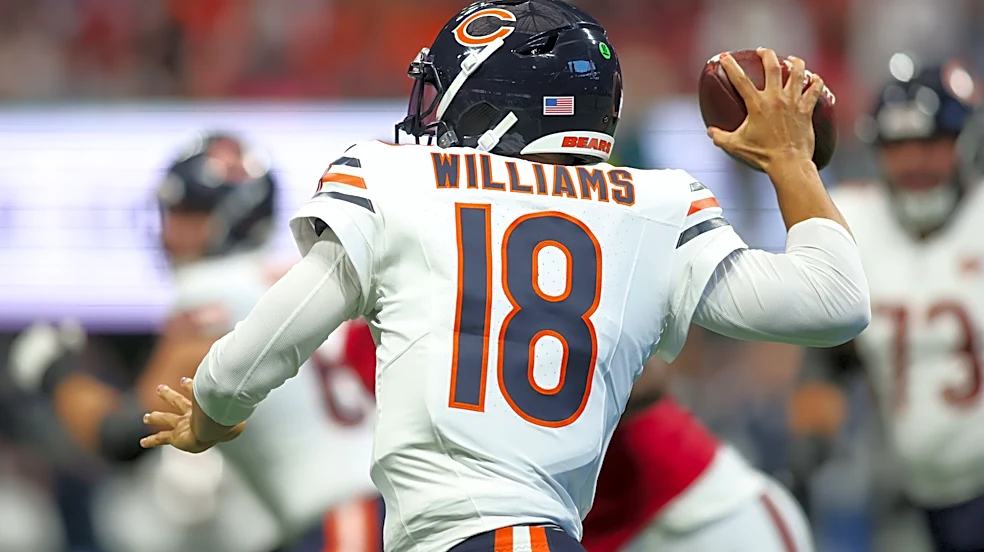
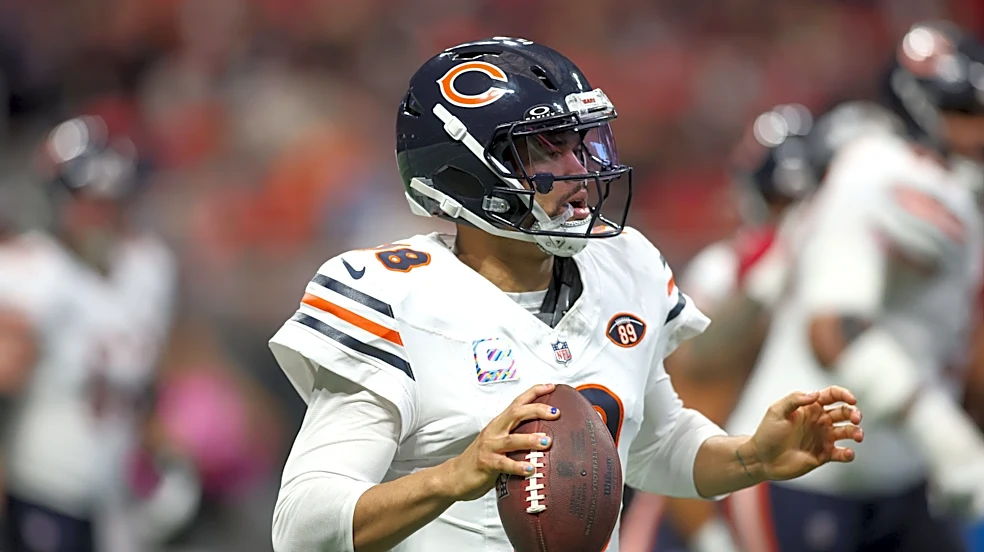
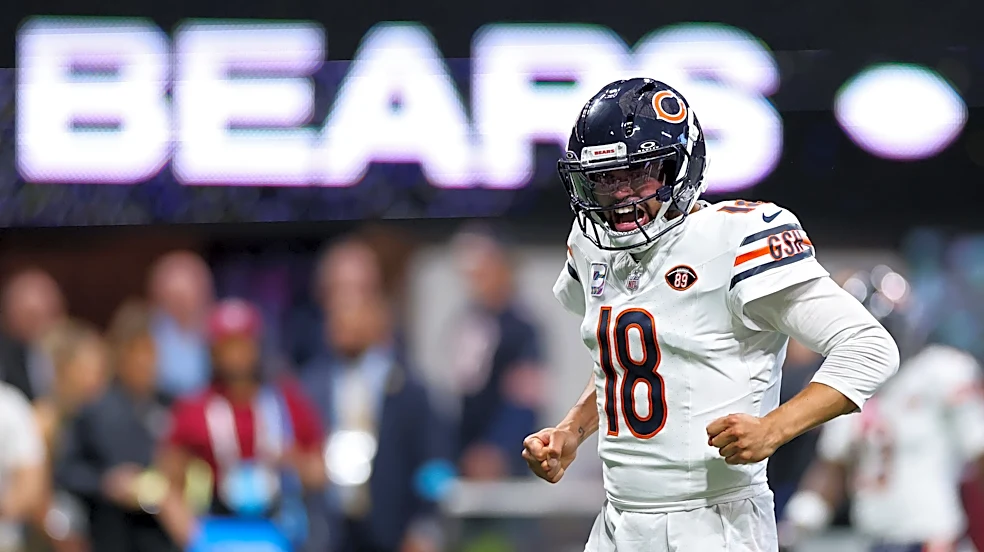
Caleb Williams is the prototypical modern-era QB. He can make every throw in the book and simultaneously also put pressure on teams as a scrambler or play-extender. Those latter parts of his game are particularly challenging to defend, something cornerback Christian Gonzalez highlighted earlier this week.
“With quarterbacks like this, you have to play the second play,” Gonzalez said. “There is a whole other play after the first play. That’s one of his best talents, extending plays. He’s been doing it since college and since he’s gotten to the league. We’ll have to defend the second play and do what we have to do to stop it.”
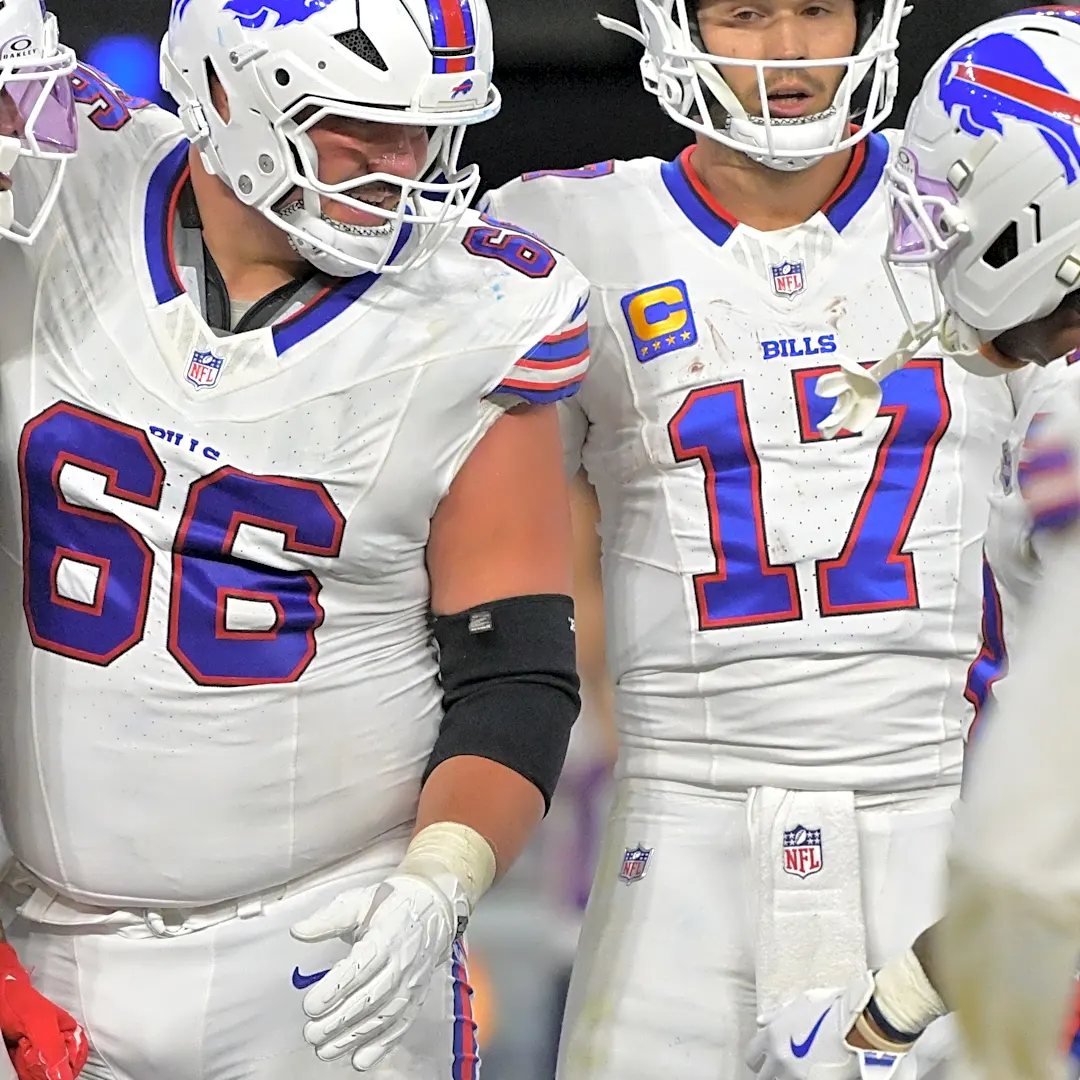
This is not the first time the Patriots defense has spoken about the “second play” in regards to an opposing quarterback; the term was already used leading up to the Week 4 game against the Bills and their QB, Josh Allen. Buffalo’s passer is a different challenge altogether akin to Rob Gronkowski bursting onto the scene at the tight end position in the early 2010s, but Williams has some of the same attributes: he too can escape the pocket, keep plays alive, and force defenders to stay on their assignments longer than they typically would have to.
For the Patriots, the goal is therefore clear. They need to be mindful of Williams’ skills at all times when collapsing the pocket up front and not creating any potential escape lanes, when staying with their assigned players on the second and third levels, and when keeping the eyes on him as a scrambler.
Given all that, don’t be surprised if Zak Kuhr went zone-heavy against the Bears to not have his defenders find themselves in difficult situations.
Throw deep
With the Bears typically controlling the clock and the flow of their games, teams have not had the opportunity to throw a lot of passes against their defense: the 163 attempts they have faced are the fewest in the NFL. That said, Chicago’s opponents have made them count.
Even though the Bears rank fifth in defensive EPA per dropback (-0.039), they are only 28th in net yards per attempt given up (7.1). Where is the disconnect? Teams have struggled with consistency and ball security, and Chicago’s affinity for the blitz, but they also have hit some deep balls.
In total, opposing quarterbacks have completed 13 of 24 deep attempts of 20-plus yards so far, according to Pro Football Focus. Those plays resulted in 542 yards gained, four touchdowns and one interception.
Now, the Bears will be tasked with defending one of the NFL’s best deep-ball passers. On throws of 20 or more yards this season, Drake Maye has gone 14-of-29 for a league-leading 487 deep yards with five touchdowns and four interceptions.
Needless to say, the turnovers have been an issue, but Maye has shown significant improvement over the last three weeks in that regard. If he continues to perform the way he has lately, he should be able to put pressure on Chicago’s secondary with the deep ball.
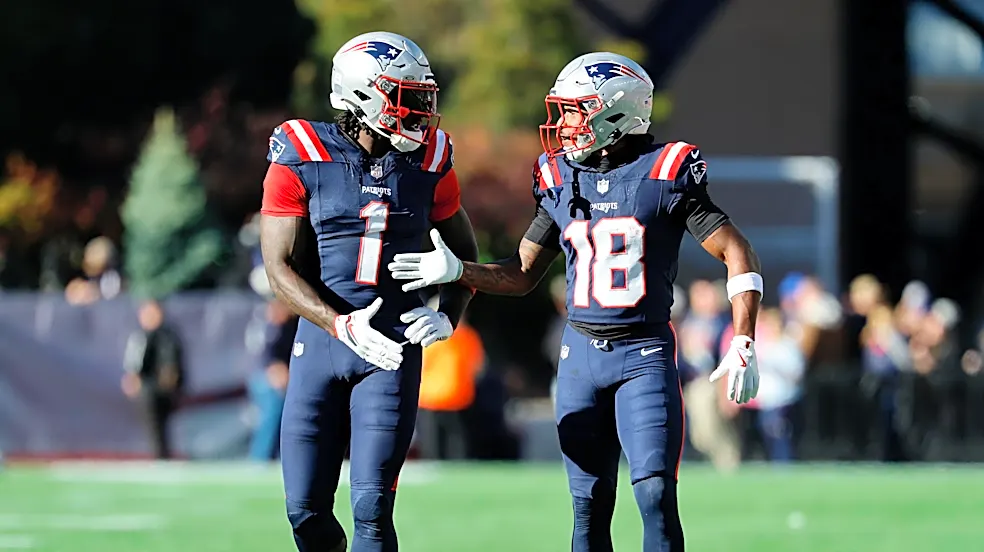
Of course, he alone cannot get the job done either. The wide receivers — primarily A.J. Brown and Kyle Williams — have to be on point as well; Brown in particular will be under pressure on Thursday after dropping one deep ball in his comeback from an ankle injury last week (and letting other balls go through his hands as well). Likewise, the Patriots’ short-handed offensive line will need to give Maye time and space to uncork some deep throws.
If the unit works in unison, however, the Patriots should get their chances to create big plays through the air.