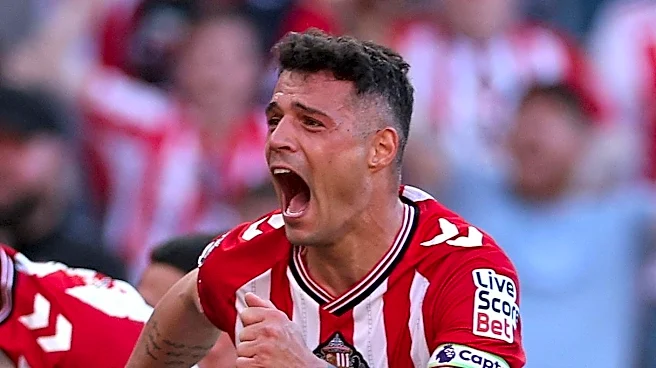






When I got back from the Chelsea game, I just couldn’t get enough of The Lads.
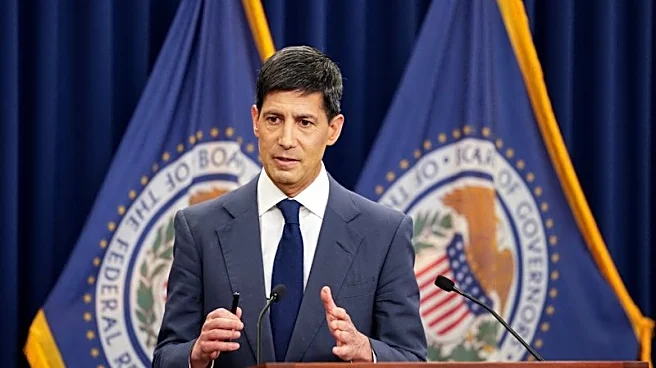
Still buzzing, still replaying moments in my head;goals, the celebrations, the noise, the sheer joy of it all, so I did what most of us do. I started scrolling. Highlights. Clips. More highlights. More clips. Then I stumbled across something different:an interview with Tom Burwell, Sunderland’s interim CEO, on The Business of Sport.
I’d never come across the channel before but was drawn in immediately. If you’ve got an hour
to spare, I’d strongly recommend giving it a watch, as although it isn’t really about football, it tells you an awful lot about Sunderland AFC.
Burwell only joined the Sunderland board in January as a non-executive director before stepping into the role of interim CEO.
He isn’t a ‘traditional’ football executive who’s worked his way around clubs. His background spans elite sport and commercial partnerships, including Formula One, Emirates Airlines and Ultimate Rugby Sevens. He’a also closely associated with Kyril Louis-Dreyfus and Juan Sartori through BIA Sports Group.
What struck me most wasn’t any individual revelation — it was the language.
Listening to Burwell, it felt like he was talking about something Sunderland supporters have been told exists elsewhere in football but have often struggled to see at their own club: a vision, a strategy and a plan. More importantly, it felt like he was describing a club where everybody is starting to work from the same blueprint.
Burwell talks about Sunderland behaving and operating like a big club. He talks about identity, structure and long-term thinking. He talks about planning rather than reacting, and one line in particular stood out:
Sunderland is a big club, should behave like a big club, should operate like a big club, and is now in a position where it can begin to plan like a big club.
When you listen to Régis Le Bris, the language feels remarkably similar. He talks repeatedly about “the project”, He talks about consistency; about building something that can survive beyond individual results, individual players and individual seasons.
Different roles. Different perspectives. The same vocabulary. That matters more than it might sound.
Football clubs rarely fail because they run out of ideas. More often they fail because different parts of the organisation are pulling in different directions. Recruitment wants one thing; the coaching staff want another. The wants results immediately, and supporters want progress yesterday.
For long periods, Sunderland felt exactly like that kind of club, constantly responding to events rather than shaping them. Lose a game and everything is questioned. Win a game and everything is supposedly fixed. The cycle repeats itself.
What feels different now isn’t perfection — it’s coherence.
Burwell talks about ‘structure’ and Le Bris talks about ‘process’. Recruitment appears increasingly focused on system fit rather than short-term fixes, and even supporter conversations are shifting, with more discussion about direction and sustainability and fewer calls for wholesale change after every setback.

That doesn’t mean everybody agrees. It certainly doesn’t mean patience has suddenly become abundant on Wearside, but it does suggest something important: a shared framework.
This raises an interesting question: are Sunderland finally aligned?
Top-down, the executive leadership talks about strategy, identity and long-term growth. In the middle, the football operation talks about consistency, development and process. At supporter level, there’s growing recognition that success is built rather than discovered. That overlap is rare in football, and fragile. But for once, it feels visible.
Identity is perhaps the most important piece of all.
Burwell makes the point that around one in ten people in Sunderland hold a season ticket. That’s an astonishing figure. More than a statistic, it’s a reminder that Sunderland doesn’t need to manufacture identity. It already has it. We know that better than anybody.
That gives the club something many modern “project” clubs struggle to create: emotional continuity. The challenge isn’t creating identity — it’s not wasting it, and that brings us to another fascinating aspect of Burwell’s vision.
His thinking extends well beyond the touchline.
He spoke about growing Sunderland’s presence in key international markets — particularly the United States and Africa — not as a vanity exercise but as part of a wider strategy designed to increase the club’s commercial strength and global reach. The recent partnership with the Elvis Presley estate and the club’s US pre-season tour are early examples of that thinking in action.
Sunderland’s identity remains firmly rooted in Wearside, but the ambition is clear: use the club’s unique story, passionate support and growing Premier League profile to attract new audiences around the world.
Alongside that comes investment in premium seating, corporate hospitality and wider stadium development. None of it is especially glamorous, but modern football is increasingly won off the pitch as well as on it. The message is straightforward: grow revenues, strengthen the club and create foundations that can support future success.

None of this guarantees anything, of course. Alignment isn’t points and shared language isn’t league position. Plans have a habit of looking brilliant right up until the first difficult winter — Sunderland supporters know that better than most.
We’ve seen plans and visions before. We’ve seen rebuilds that lasted until the first run of poor results. So caution remains entirely sensible; in fact, it’s part of being a Sunderland supporter.
Yet the striking thing about Burwell’s interview isn’t any single comment. Instead, it’s the consistency of the message. For perhaps the first time in a very long time, the owner, executive leadership, the head coach and wider football operation all appear to be telling the same story.
And if Sunderland AFC really is becoming a club where vision, strategy, identity, community and execution all pull in the same direction, then this is about far more than a good season or a European adventure. It’s about building something that lasts.
After years of reacting to events, Sunderland finally looks like a club trying to shape them. That might be the biggest change of all.