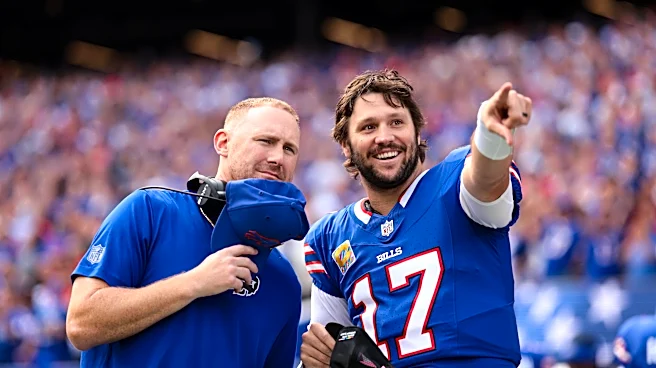

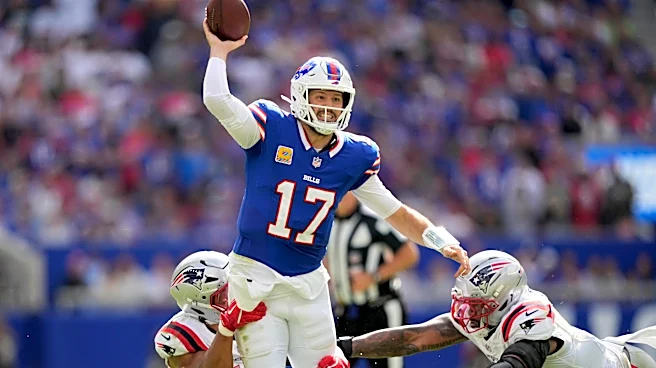
As a franchise, the Buffalo Bills have put a lot of trust in new head coach Joe Brady with Josh Allen at quarterback. He’s behind a lot of recent offensive success with Allen, running back James Cook III, and company, which speaks to his ultimate promotion.
Like any rookie, Brady’s going to make mistakes. He must learn from them and adjust accordingly week to week. By most accounts, Brady continues adapting his offense and the team’s overall play, but he continues putting undue stress on the offense to begin
games.
To those Bills fans old enough, there was a time when winning the coin toss meant starting on offense. It was the approach Pro Football Hall of Fame head coach Marv Levy employed every time. That, of course, was a different era — one pushed aside by the antics of another future Hall of Fame head coach in Bill Belichick who favored starting on defense.
Belichick was a defensive mind, which played into that idea a lot, but he was also savvy enough to understand how the game was changing in real time. Instead of getting off to an early lead with the offense, Belichick favored taking it first after halftime, at a point when he had more time to dissect his opponent. Suddenly, everyone was copying him.
Previous head coach Sean McDermott adopted the same mantra, which was well-established by the time Brady operated as his offensive coordinator. It’s Brady’s team now and through four games we’ve seen a shift to a more aggressive approach on offense.
That aggressive nature has also spilled over to the coin toss, where the Bills have guessed and won the opening toss twice in four games. In both of those situations, Buffalo took the ball to start the game on offense. Against the Detroit Lions in Week 2, it worked like a charm, with the offense marching down the field to a tone-setting touchdown. It was one of several capstone moments for the first game in the new Highmark Stadium.
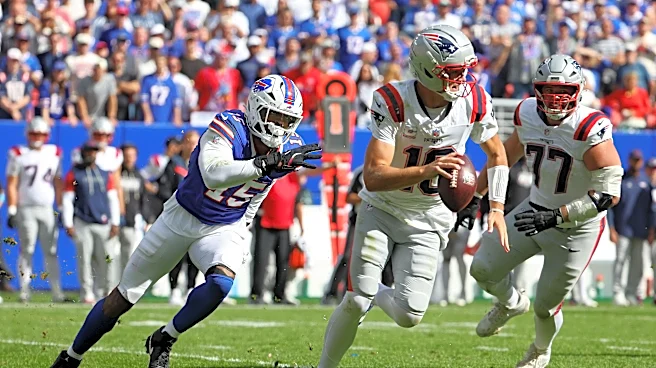
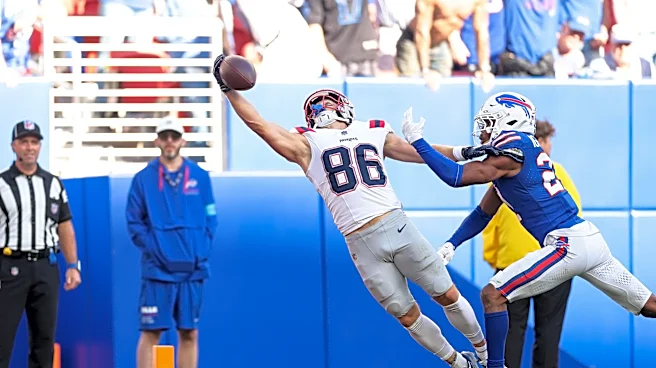
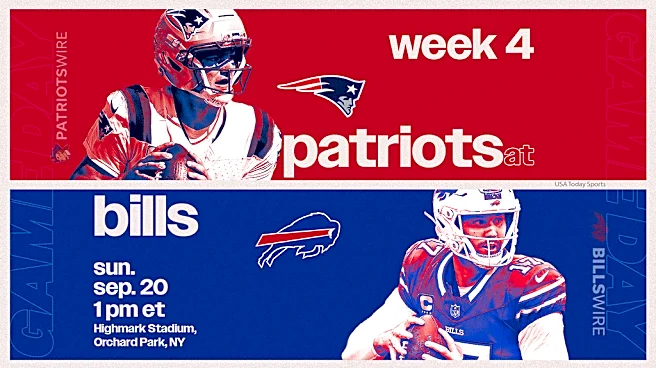
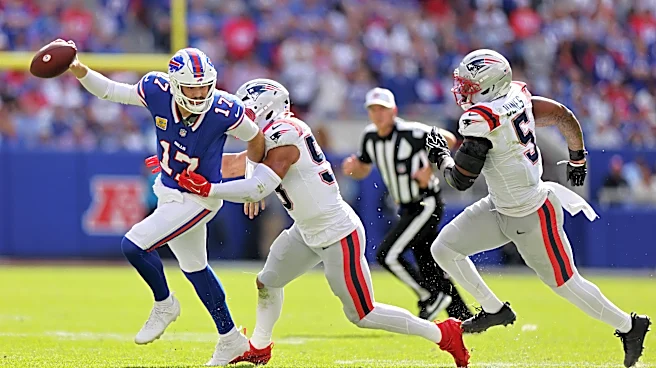
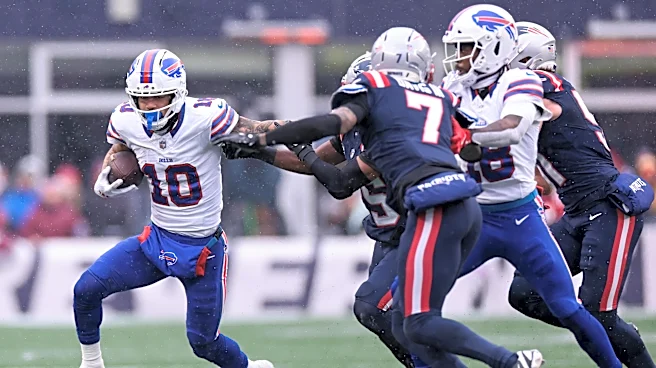
The Bills also won the coin toss in Week 4, and the results couldn’t have been much worse. The offense went three-and-out, gaining just five yards and using 1:31 of the game clock. The saving grace was a game-opening return by wide receiver Greg Dortch that would at least allow for a punt pinning New England deep in their own territory.
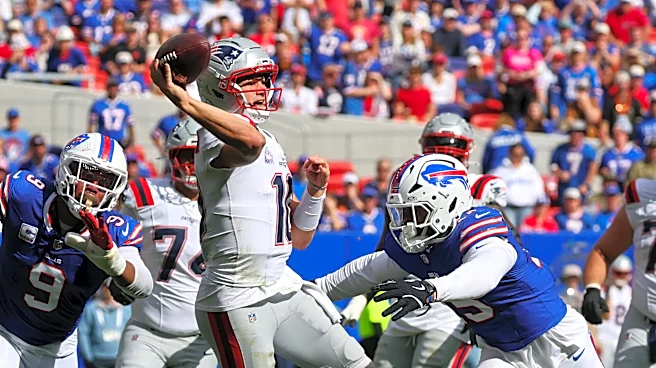
Rookie punter Tommy Doman Jr. punted a beauty that defensive back Te’Corey Couch made a heady play on to keep out of the end zone, setting the Patriots up at their three-yard line. Despite the failed drive on offense, it felt like a perfect opportunity for the defense to capitalize with a well-throated Bills Mafia right on top of quarterback Drake Maye. 12 plays and 97 yards later, New England quieted the crowed with a touchdown that took 6:28 off the clock.
Very little is won or lost in the opening quarter of an NFL game. However, for an inexperienced head coach and defensive coordinator — the latter in the midst of managing a struggling defense full of injuries — the risk is magnified.
During the broadcast, Ian Eagle and Ross Tucker explained that in conversations with Joe Brady, Buffalo’s head coach revealed that injuries to the Patriots’ defense may not have been the fortuitous turn of events many assume are true — that they were prepared to face cornerback Christian Gonzalez and had to pivot late with more unknown about their defensive coverage intent once he was ruled out.
Hearing that, it’s perhaps a bit easier to understand why the drive was stuck in the mud. It doesn’t excuse the lack of execution, but it lends an explanation to the result. Fine, football is a game of chess in many ways.
The trouble here is that is Brady had some concern about personnel matchups based on the Gonzalez news, why did he choose to start on offense? He had to know that any struggled would put undue stress on Leonhard and the defense.
The broadcasters also shared that Brady simply said “we have Josh Allen” and that teams have to defend him when asked why he’d want the ball first. It’s a solid argument. However, if that’s true then there must be an equally solid plan in place to ensure you score a touchdown (not a field goal) on the game-opening possession.
Failure to do so in your own stadium sets the wrong tone, and gives your opponent the sort of juice that can carry them to success late in the game. The Bills were facing their biggest division rivals, a team desperate to right the ship. It seems pretty clear they didn’t well-understand the risks involved against New England.
On Monday, John Wawrow of the Associated Press asked Brady about the decision, stating:
“I understand the importance of being aggressive and the philosophy behind it, especially when it comes to the offense, but is there a point where you become too aggressive on offense that it hurts the team? Especially when you’re trying to compensate for a defense that’s banged up and still I guess…”
To which Brady asked what it was in reference to, with Wawrow clarifying:
“Well, I guess taking the ball first, the last interception, I mean the only interception, and just the quick-strike philosophy.”
Brady went on to explain the following:
“No. I think, look, we’ve won the coin toss twice, you know. Against Detroit we took the ball and we won, and this past week we obviously had a three-and-out — so our start wasn’t good enough. But I don’t think that has anything to do with, our defensive philosophy. Look, it’s hard to score in the league. Right?”
That’s where we have to pause. If Brady understands it’s hard to score in the NFL, then why risk wasting a drive simply because you won the coin toss? Aggressive for aggressive’s sake has a spotty track record in history.
Deferring to halftime would have been the smarter play, simply based on the facts staring at Brady. Yes, Buffalo did end up taking a lead into the locker room at halftime. The point still stands. The bigger picture requires considering how Brady would approach an overtime situation. With the latest rule changes, it makes little sense for a team elect taking the ball on offense first.
Sunday’s decision represents a moment where being aggressive blew up in his face. Time and again, McDermott was held to high standards and ripped apart for in-game decisions. Brady hasn’t earned the benefit of doubt in those situations, and the hope is it’s a lesson that allows him to improve as a leader moving forward.