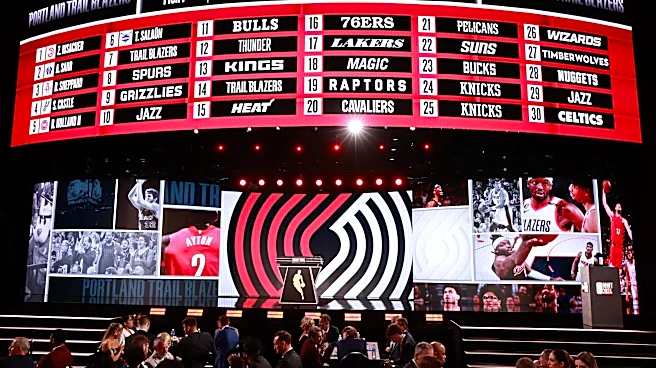

For the last 41 seasons, the NBA has conducted a draft lottery to determine which non-playoff team will receive the No. 1 overall pick. From 1985 to 1989, all non-playoff teams had the same odds to win the top pick, but in 1990, the league adopted a weighted draft lottery where the worse your record is, the better chance you have of getting the top pick.
The odds for the worst team have shifted over the years — 16.7% from 1990-1993, 25% from 1993-2019, and 14% from 2019-now — but have been consistent
in one aspect: the worse your record is, the higher chance you have of securing one of the top picks, but according to ESPN’s Shams Charania, that may soon change.
The NBA disclosed to its 30 teams Tuesday that it intends to bring forth a rule change at the league’s upcoming Board of Governors meeting in late May. The memo outlined a drastic new draft lottery system that aims to discourage tanking by penalizing the league’s worst teams.
The proposal, which the NBA calls the ‘3-2-1 lottery’, lays out a draft lottery where there are three tiers of team and each team receives a different number of ping pong balls for the league’s drawing.
3: The fourth through 10th worst teams will have the best odds to receive the No. 1 overall pick because they will receive three ping pong balls each.
2: The three worst teams, as well as the 9 and 10 seeds from each conference, will receive two ping pong balls each.
1: the loser of the 7-8 play-in game from each conference will receive one ping pong ball.
Perhaps the most severe part of the new proposal is the new floor for these teams. In the current system, the league’s worst team has a 14% chance to win the lottery, but can fall no lower than fifth overall. The second-worst team can fall no lower than sixth.
In this world, the league’s three worst teams don’t just have a worse shot at getting the No. 1 pick, their floor drops — significantly. The league’s three worst teams could pick as low as 12th in this system.
Now, there’s a lot to unpack here. For starters, the rules for this draft lottery are ridiculously complicated. I’m at 430 words in this article and I’ve barely scratched the surface. The league will need to do a better job of explaining exactly what this system is and, more importantly, why such a drastic change was needed.
But make no mistake: a drastic change is very much needed. The proposal has been met with a lot of backlash, but I think it’s a step in the right direction.
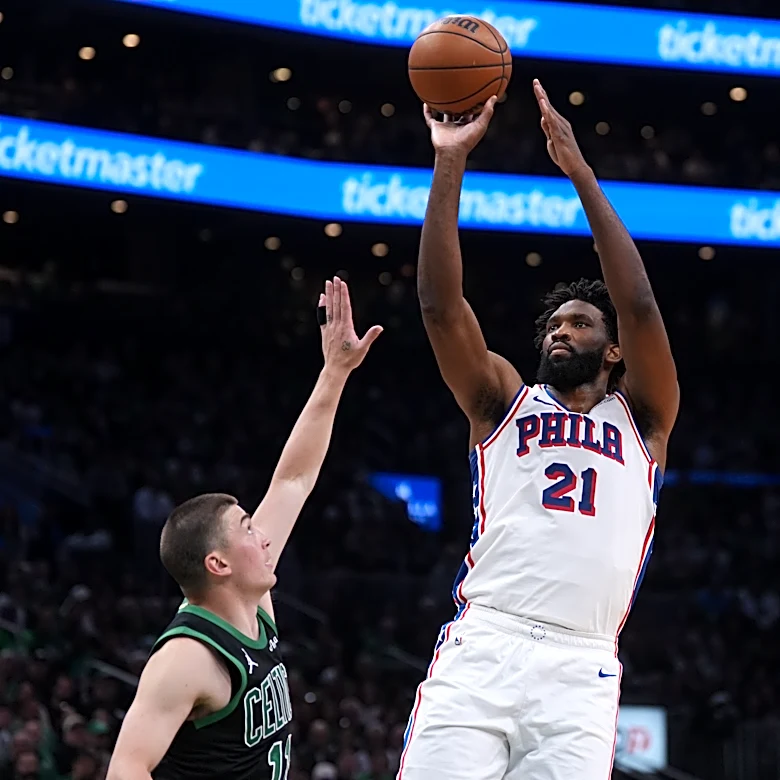
The NBA has always publicly denounced tanking, but we’ve watched it happen frequently over the years. We watched Philadelphia “Trust the Process” for years as the team and its fans suffered through three straight 60-loss seasons, including an abysmal 10-72 2015-2016 campaign.
But NBA teams have taken a darker turn in recent years, and I think the NBA is right to be worried about the message it sends to its fans. This year, an NBA-record eight teams — a whopping 32% of the league — finished with a winning percentage below .333. Eight teams lost at least 55 games this season. Five teams lost at least 60.
Utah and Washington were two glaring examples that league sources often brought up throughout the season. The Jazz, despite trading three first round picks and talented prospects for Memphis’ Jaren Jackson Jr., chose to tank at the end of the season and sometimes in blatant fashion.
Jackson played just three games following the trade, but played in 45 contests pre-All Star break. Utah decided the big man needed surgery on his left knee less than three weeks after unloading a war chest to trade for him. The Jazz also sat All-Star Lauri Markkanen for the last two months of the season with a “hip injury.”
Before these injuries appeared, the Jazz had already shown they had little interest of winning games with the pair this season. Utah was fined half a million dollars by the league after it benched Jackson and Markkanen down the stretch of a close game on Feb. 7, a game the Jazz lost after Orlando “overcame” a 17-point deficit.
Washington also traded for All-Stars at the deadline, netting Trae Young and Anthony Davis, but played the two a combined five games post-trade deadline before shutting both down with apparent injuries.
The league also fined Indiana $100,000 for benching three players it deemed were healthy enough to play in a Feb. 3 game against — you probably guessed it — the Utah Jazz.
The Pacers “lost” that night, 131-122, in Indianapolis.
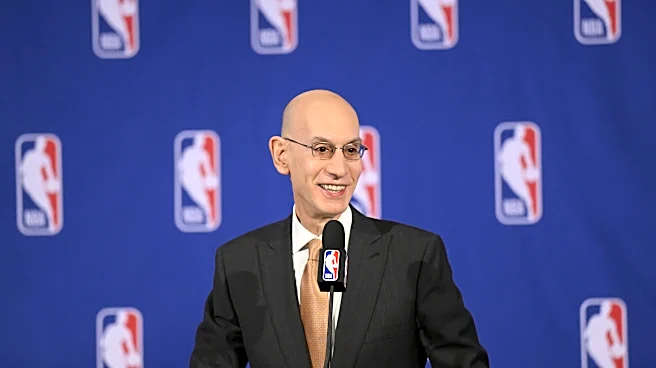
The league’s commissioner, Adam Silver, has publicly commented on tanking a lot this season and said in March that fixing tanking was his top priority and furthered that stance in a call with the league’s competition commitee recently.
“”We should have a system where you should hate to lose,“ he said. ”It shouldn’t be a badge of honor. Losing should be uncomfortable.”
I fully agree. The flattened odds are a good first step to tell the teams in this league that losing is, in fact, bad, and you should avoid doing it at all costs. The NBA is a product at the end of the day and watching a third of the league not care about its success for a third of the season is very bad for that product.
Fans pay to go to these games to watch their team’s best players compete on the basketball court and these maneuvers by all of the league’s tanking teams send a clear middle finger to the league and its mission.
The NBA needs to find a simpler long-term solution — no one wants a draft lottery that needs 400 words and a two-minute clip from Shams to explain — but its goals and purpose behind this proposal are good and will improve the NBA’s product significantly.
I truly believe basketball is the best sport in the world, and I believe that because of the great athletes that have come through the game. From Wilt Chamberlain to Kareem Abdul-Jabbar to Magic Johnson to Larry Bird to Michael Jordan to LeBron James and everyone in between, the stars are what make the league what it is.
Watching those stars get benched in the name of future success spits in the face of what these legends built. If your team is “winning too many games” with your All-Stars playing, then maybe you should shift your focus from playing the draft lottery for the ninth time in a decade and maybe try trading for a player that can help you be better this year.
Also, you don’t need a top pick in the draft to draft a culture-shifting player. The league’s soon-to-be back-to-back MVP, Shai Gilgeous-Alexander, was the 11th pick in the 2018 draft. Nikola Jokic was selected 41st. Jalen Brunson fell to the second round. Donovan Mitchell was taken 13th.
Obviously, I’m not saying that improved draft position has no effect on the caliber of player you get — most of the league’s all-time greats were high draft picks after all — but if you have a competent GM and front office, you can find good players later in the draft.
And if you have a bad GM, none of this matters anyway because he’ll just trade your franchise player you took No. 3 overall to the league’s biggest market in the middle of the night.
I kid, I kid (it will always haunt me) but the bigger point stands. Tanking to get a top draft pick will only get you so far. You need a system in place to sustain success, and if you don’t have that, getting a top draft pick does little to actually solve that problem.
I applaud the commissioner for taking a serious approach to the biggest problem facing his league and I hope the Board of Governors will approve some version of this proposal when it meets May 28.