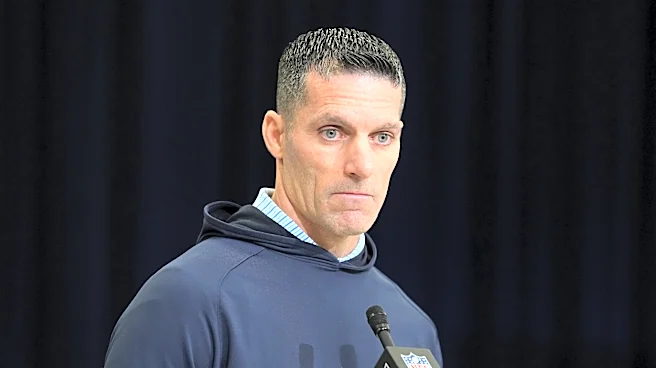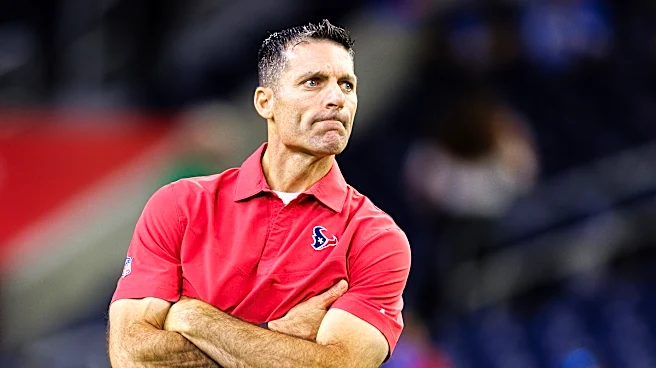


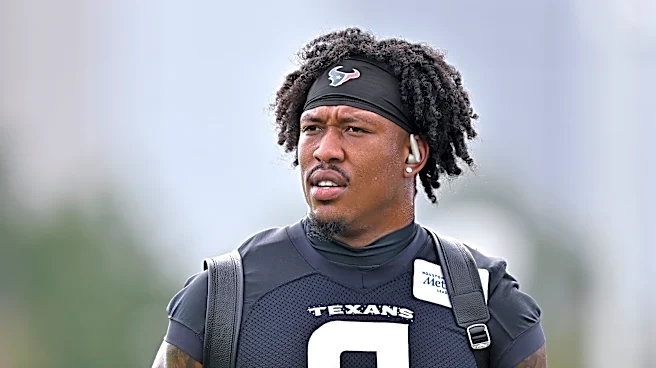
For some teams, dwindling the 90-man training camp roster down to 53 players is surgical. For the Houston Texans’ General Manager Nick Caserio, it’s an art. It requires multiple strokes, different perspectives, and usage of every brush possible to configure the best roster possible.
It was clear from the outset of this roster cutdown period that the Texans situation was complicated. Injuries across the depth chart made it impossible to predict who would be available to start the season. Combine that with
the fact that there were 65 roster-worthy players vying for 53 spots, and there were bound to be eye-opening moved made.
When the roster decisions finally came down like a scythe through a field, the Texans made a half dozen surprising cuts. Namely, keeping only three running backs, 12 offensive lineman, and multiple unknown, undrafted rookies was outright malpractice given who they waived. Those decisions led to a tidal wave of criticism and consternation by the fanbase and this writer, who were concerned that the depth of the roster was being mortgaged for unproven commodities.
Those roster snubs included rookie WR Lewis Bond, LB Jamal Hill, RB Jawhar Jordan, RB Noah Whittington, CB Alijah Huzzie, and S George Odum. All except Odum were home grown players. However, only the first coat of paint had dried on the Texans roster. By weekend’s end, the Texans not only retained their priority practice squad players, but they also recouped two veterans back onto the 53-man roster.
Instead of signing the top 53 players hoping the best that were cut would re-sign on the practice squad, Nick Caserio is played the system. He retained undrafted rookies Sam Hagen and Sebastian Harsh to delay them hitting the waiver wire and being picked up by other teams. Harsh ended up on the team’s injured reserve, which kept him off waivers and in the building. Caserio knew that other teams would rather pass on Houston’s injured player that were released than let go of their own players who they know more about. It’s a knowledge bias more than anything. Caserio used that to his advantage. He released injured players on the open market, waited till the opening bell ended, then once everyone else passed on them, brought those players back.
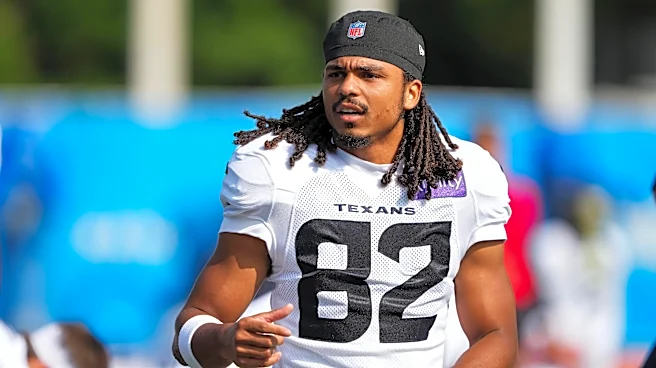
The best example of this occurred with TE Brevin Jordan and DE Dominique Robinson. Both have been out for weeks due to lingering injuries. They were released from their contracts but not signed by another squad. Once the waiver period ended, Houston brought both back on identical contracts and placed Harsh and OT Braden Smith on IR. He kept all four and lost nothing.
In the end, the Texans played their cards right. Their practice squad is loaded with viable options and their actual roster is among the most talented in the league. The one position where the Texans didn’t retain all its talent was the wide receiver position. The trio of veteran wide receivers Sterling Shepard, Zay Jones, and Justin Watson, still sit on the open market and could be added either to the 53-man roster at a later date.
Houston Texans current Practice Squad:
There is still inherent risk involved in Caserio’s doings. The practice squad doesn’t fully protect players from being acquired by other franchises. Any team can take a player from another teams’ practice squad, but they must add them to their 53-man roster. That means Lewis Bond, Jawhar Jordan, Noah Whittington, and Alijah Huzzie could easily be stolen out from under Reliant Stadium.
While the roster is still quite quirky with five tight ends and three running backs (including one fullback), it’s primed to make a run through the playoffs and lead Houston to another AFC South title.