

If you’re the Dallas Cowboys, the first takeaway from the Seattle Seahawks Super Bowl LX blueprint is how intentionally the roster fit across all the phases. The Seahawks didn’t win because they were loaded at every spot, they won because their strengths were mutually reinforcing. The Seahawks boast a defense that dictate terms, a run game that stays on schedule, and a quarterback plan that prioritized ball security over hero ball. In the game itself, Seattle’s “Dark Side” defense produced six sacks,
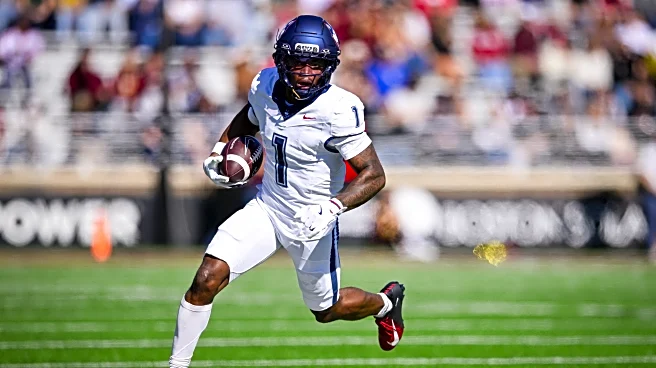
three takeaways and a defensive touchdown, while the offense leaned on Kenneth Walker III and took points when they were there.
For the Cowboys, the lesson is roster interdependence. They need to stop building like each unit has to be a top-three standalone product and build so that the defense can create short fields, the offense can convert those into points without volatility, and the special teams consistently wins the margin when the game gets tight.
On contract control, Seattle’s win is a reminder that championships usually show up when your best players are aligned across the age and cap curve. One practical example is impact defenders on rookie deals that let a team spend elsewhere without hollowing out depth. The Cowboys’ recurring pain point has been allowing elite extensions to drift until the market resets, like with Dak Prescott not too long ago, which compresses flexibility and forces Jerry into pay then patch with minimums type roster management.
The lesson isn’t never pay stars, it’s to close deals earlier, keep the mid-tier starter layer intact, and avoid cap cliffs that make Jerry have to choose between two core players in the same offseason. Seattle also showed a viable quarterback value angle. They got Super Bowl-winning play from Sam Darnold by emphasizing no-turnover football and letting the defense carry the heavy load. Dallas doesn’t need to copy this idea completely, just the idea that the quarterback plan and cap plan have to be married, not competing.
Lockerroom spirit sounds fluffy until you watch how it operates on Sundays. Seattle’s defense literally branded itself and played like a unit with shared rules and role clarity with stars, specialists, and rotation guys all executing the same violent, disciplined identity. Darnold’s own comments after the game framed the team vibe as unusually tight, and Mike Macdonald’s stamp was visible in how quickly they adjusted and how confidently they attacked. For Dallas, the actionable lesson is to create a locker-room culture where roles are explicit, leadership isn’t just positional, and players need to lose the idea that just because they play for the Cowboys doesn’t mean they’re at the top of the NFL pyramid.
On field, Seattle’s tape is basically a checklist of playoff-proof football that Dallas has too often drifted away from. Watch Seattle win the line of scrimmage with pressure that doesn’t require constant blitzing, protect the ball, and take points. They held New England to just 51 first-half yards, built a lead with field goals, then slammed the door with fourth-quarter turnovers and a defensive score. The Cowboys’ lesson is to build an offense that can live in the 20s and a defense that can close games with a four-man rush and tight coverage rules, because in January and February, efficient and suffocating beats explosive but fragile more often than people want to admit.