

The Packers’ way of doing business is so dyed-in-the-wool it’s hard not to notice when they’re doing things differently.
And sometimes different feels bad. Weird. Uncomfortable. Reckless, even. Especially when money’s involved.
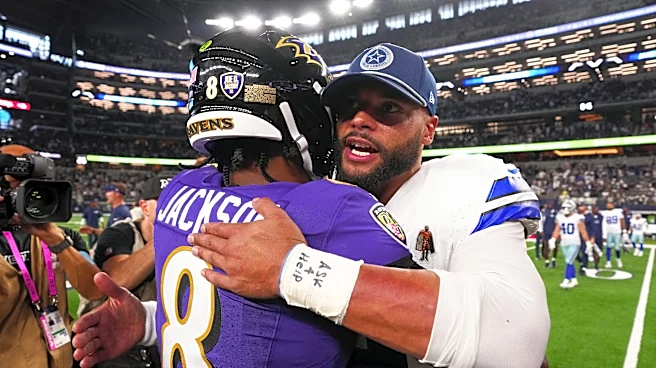
First, the Packers spent $500,000 just for a look at Trevon Diggs, the former All-Pro cornerback for the Dallas Cowboys. One meaningless regular season game and one (1) postseason snap later, his number is now occupied by a rookie kicker. That should tell you everything you need
to know about how that experiment went.
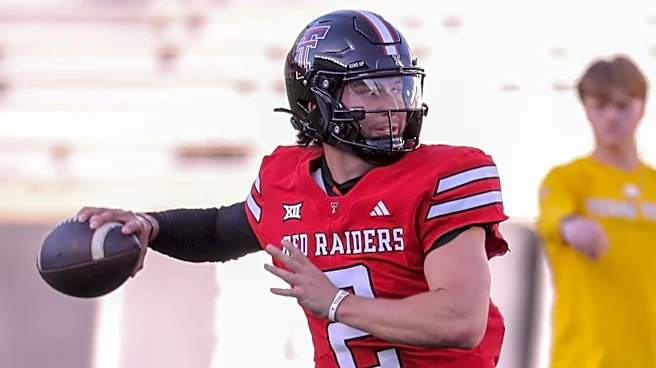
Then, the Packers spent a cool $1 million to keep embattled kicker Brandon McManus on the roster shortly after the start of the 2026 league year. If there was a single player to blame for the Packers’ season-ending meltdown in Chicago, it was McManus, who had hardly spent the 2025 season endearing himself to Packers fans to begin with. Yet there he was, getting a seven-figure check, only to be cut just a couple of months later. (First Trey Smack took Trevon Diggs’ number, then he took Brandon McManus’ job. Can he be stopped?)
And then, the Packers shelled out a bunch of guaranteed money for their 2026 crop of undrafted free agents, perhaps the biggest combo breaker to date. Historically, the Packers have been pretty conservative about what they spend on undrafted free agents. Not this year. They were willing to guarantee quite a bit of money (in relative terms, to be sure) to a few priority UDFA targets. That’s a significant departure from the previous way the Packers have done business.
That’s different. That’s weird. That’s…interesting.
It’s interesting because for every way these moves can make your eyes go up, they also have an equally compelling explanation. The Diggs move is lightly scoff-worthy in retrospect, but had it worked out, even to a small degree, half a million bucks is chump change for a useful defensive back, especially for a team hoping to make a playoff run. Likewise for McManus. A million dollars would change my life, but that’s couch cushion money for an NFL franchise, and burning it on a kicker, even an average one, was a hedge against coming out of the NFL Draft with no kickers.
And spending on undrafted free agents is the best move at all if for just one really good reason: it shows the Packers can change. Yes, they don’t usually spend on undrafted free agents, but with no seventh round picks (after the move to trade up and nab Smack; this isn’t a kicker column, I promise), they had no other way to reel in low-end talent that they might normally have drafted. And with a limited number of roster spots available (the pool of UDFAs was always going to be small, anyway), they had incentive to go big. Thus, the spending.
If all these moves are investments of a sort, the UDFA spend might be the best representation of the term. The Diggs move was a true lottery ticket; I don’t know of any serious football thinkers who thought he was anything but cooked when he arrived, but if there was a chance, it was worth it. McManus was a hedge. The UDFAs break down the analogy a bit because they Packers are spending more than they normally would here, but they’re something akin to penny stocks; low-cost, high-upside investments.
Whatever analogy you prefer, it’s clear the business model has shifted a bit this offseason, and it’s interesting to see — and encouraging. The Packers are capable of change. They’re doing things a bit differently, making different bets, and seeing what pays off. If anything does, they’ll be well positioned to pay off the rewards.