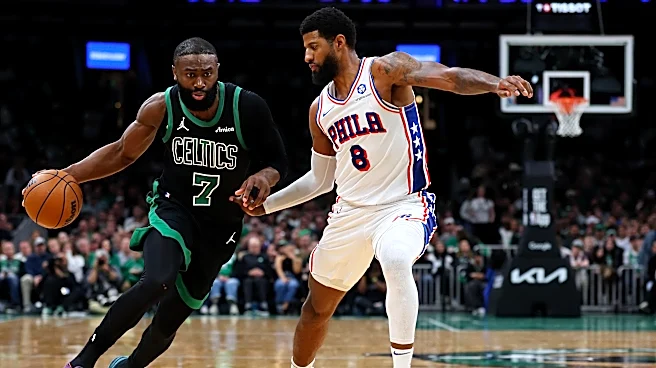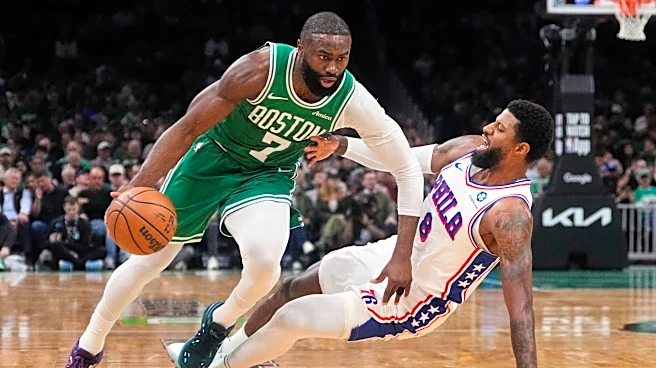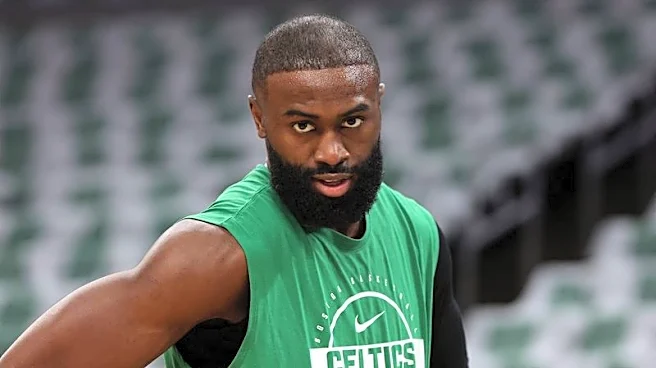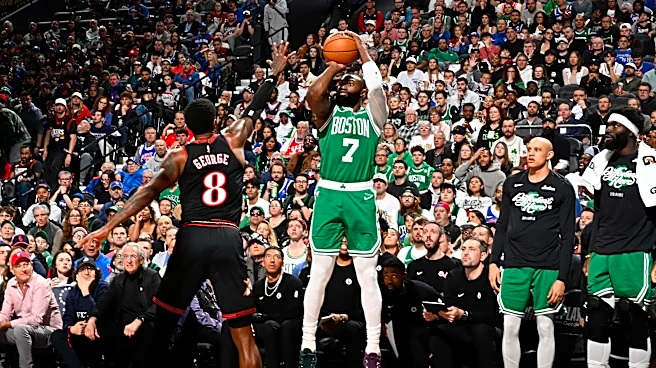



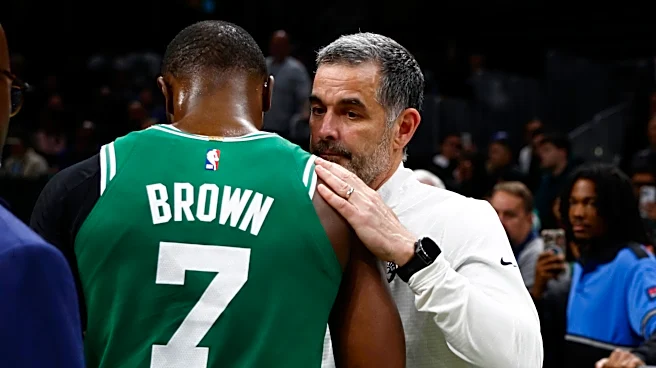


Jaylen Brown is no longer a member of the Boston Celtics.
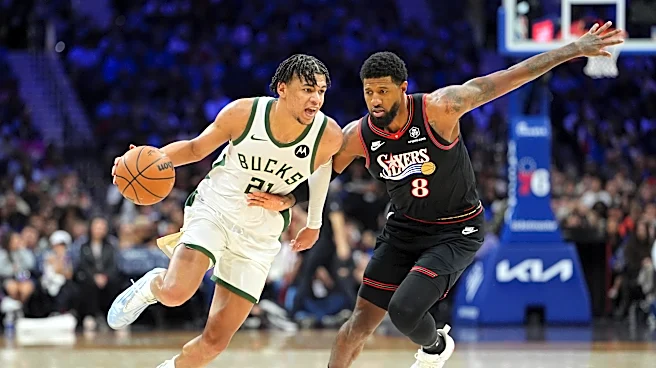
After three rumored blockbuster swings — for Anthony Davis, Kevin Durant, and then Giannis Antetokounmpo — Brown was dealt to the Philadelphia 76ers in exchange for Paul George, two first-round picks, and two second-round picks, ESPN’s Shams Charania reported Wednesday evening. Celtics president of basketball operations Brad Stevens followed through this go-around, and it amounted to netting the organization an imbalanced return for its 29-year-old
homegrown 2024 NBA Finals MVP.
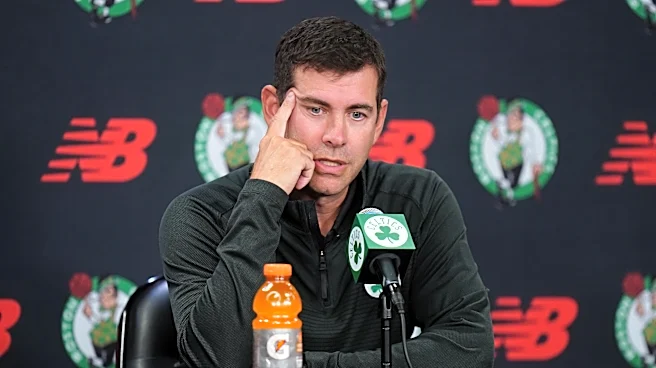
Now… it’s time for Stevens to explain himself.
Stevens and majority owner Bill Chisholm need to answer the floodgate of questions that trading Brown will most certainly prompt. Last week, Stevens dodged questions centered around the organization’s standing with Brown following the failed Giannis pursuit. This time, Stevens and Chisholm owe the fanbase transparency after taking a notable step back just two years after the franchise sat atop the league as champions.
Last offseason, the roster demolition was accepted. Kristaps Porziņģis, Jrue Holiday, Al Horford, and Luke Kornet left Boston, and the reasons were clear. Jayson Tatum had just suffered a ruptured Achilles, so maintaining a Louis Vuitton-priced roster made little sense to ownership’s benefit, even if the end of the tunnel was a postseason miss.
That didn’t happen, and Brown was the reason.

Brown made the Celtics competitive, his leadership kept the ship from sinking after the team’s 0-3 start last October, and it helped remove any and all pressure from the ownership group’s motives. Because of Brown, there was no focus on the departure of a championship rotation, and instead all eyes were drawn to the development of Boston’s young and inexperienced core.
Stevens received credit as the NBA’s Executive of the Year — due in large part to Brown’s career-best 28.7 points, 6.9 rebounds and 5.1 assists. Through the ups and downs of the campaign, Brown remained composed despite the team’s learning curve or his own personal run-ins with league officials. Brown performed, and he ensured the Celtics would perform up to standard in a year when they weren’t expected to, nor would they have been blamed for not doing so.
Still, it wasn’t enough.
Brown vocalized his frustrations 24 hours after Boston choked a 3-1 lead to the Sixers in the first round this past postseason. His comments, while up for interpretation, never suggested a concrete commitment to moving on from Boston. Brown had three years left on his contract with eligibility for a two-year, $142 million option this month, and had been a long-invested fixture in the Boston community ever since being drafted third overall in 2016.
He challenged the media, challenged the league’s officiating, and even challenged basketball analytics. But throughout every stream or postgame press conference, Brown never once insinuated that Boston itself was a problem. As outspoken as he is online or in-person, Brown never uttered the words “I’m done with the Celtics.”
“My understanding is Jaylen Brown, throughout all of this, never requested a trade,” Charania said on SportsCenter shortly after Brown’s trade to Philadelphia. “He never asked out of Boston. This was all the Celtics.”
For weeks, the most prominent and trustworthy voices in basketball media have suggested that Boston’s front office had been searching for a divorce. A willingness to do so for Giannis made sense. However, a willingness to maintain the aggression to trade Brown for a downgraded return from Giannis is going to be a tough sell.

The reality is Tatum’s prime can’t go to waste. George will turn 37 next May and has dealt with persistent knee and lower-body issues, most recently limiting the nine-time All-Star to just 37 games with the Sixers last season. It was difficult enough for Celtics fans to rally behind the idea of a Brown-for-Giannis swap, so there’s virtually no chance that Causeway Street will be embracing this move as a step in the right direction anytime soon.
Offloading Brown and replacing him with George reeks of the intention to trade Brown this offseason, no matter what.
George is pushing 40 and is no longer the PG13 of the past.
Keeping Brown together with Tatum, at the very least, keeps Boston in the hunt for a championship. They’ve reached the NBA Finals twice, have won once, and have been a formula capable of making trips to the Eastern Conference Finals routine. So why bring it to an end? If the Celtics weren’t willing to go the extra mile for a Giannis deal, at the risk of plummeting Brown’s market value, then what’s the sell here?
The truth is simple: Stevens screwed up. He screwed up big time, and it didn’t make the Celtics better.
Boston’s additions of Mitchell Robinson and Mike Conley address critical needs, but they are far from enough to mask the void of removing Brown from the equation.
Celtics fans are smart enough to acknowledge that. Even at the fan base’s most stubborn, Boston’s faithful will be skeptical of Stevens, Chisholm and the entire organization — and for good reason. The Celtics jeopardized their trust four years ago when they called the Brooklyn Nets; they did it again this offseason after whiffing in the Giannis sweepstakes against the Miami Heat, and it’ll be up to them to explain.
But right now, Stevens and Chisholm did not live up to their commitment to assembling the best possible product, ready to chase Banner 19 next season. They’ve instead given Boston every and all reason to stare deeply at them with doubt.
That was a choice, dating back to years of irritation for a franchise cornerstone willing to do everything to put Celtics basketball first — even after he was welcomed to a TD Garden that hurled him with boos on Draft Night nine years ago.
More than 24 hours into NBA free agency, the Celtics are not better than they were when their season ended in Game 7.