

The 2026 NFL regular season kicks off on Wednesday, which means that meaningful football is almost here! Although the offseason always feels like it drags on forever, once training camp kicks off, the preseason flies by.
Last season, the NFC North was the only division in football with all four teams finishing above .500. While teams like the Detroit Lions and Minnesota Vikings disappointed, the Chicago Bears surprised, and the Green Bay Packers met preseason expectations. Following a relatively mellow
offseason for all four teams, the primary focus will be health moving into the regular season. Aside from some coordinator and assistant changes, each team will return large portions of its coaching staff and roster.
With another tight race to the finish anticipated, we’ll dive into the most notable moves that each team made this offseason, along with an optimistic and pessimistic view heading into the season—all of that and more in the 2026 installment of our NFC North Season Preview.
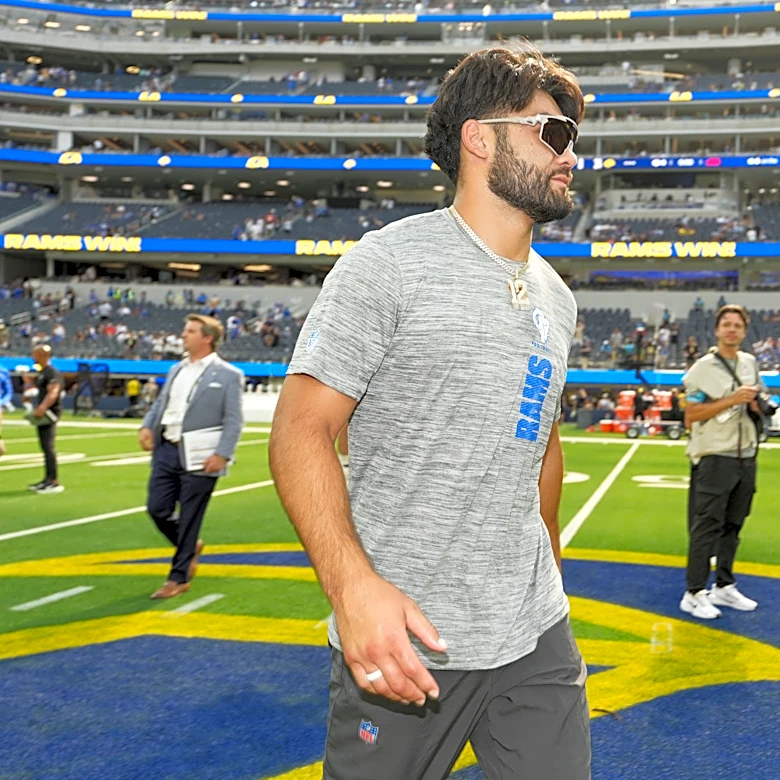
Chicago Bears (12-5) 1st Place (2nd Seed)
Key Additions: S Coby Bryant, LB Devin Bush, S Dillon Thieneman (1st Round Pick), WR Kalif Raymond, C Garrett Bradbury
Key Departures: WR DJ Moore, C Drew Dalman, S Kevin Byard, LB Tremaine Edmunds, DT Gervon Dexter Sr.
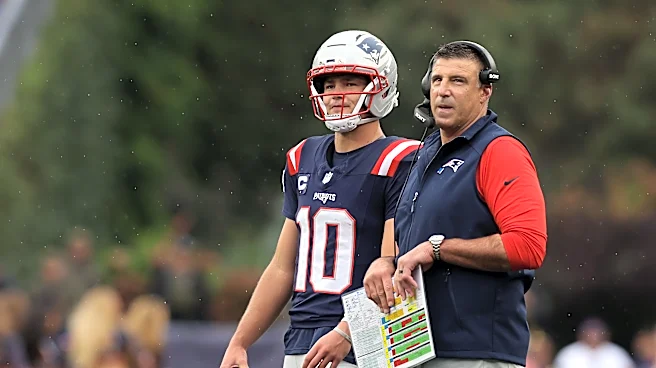
Despite a surprising NFC North title and a thrilling playoff victory, general manager Ryan Poles and the Bears played it safe for the first time in a while this offseason. While the acquisition period focused on speed, they lost several leaders in the process. Trading Moore (considering his drop-off in production) was necessary, but not inconsequential. Dalman’s retirement was a tough blow, and replacing him with Bradbury, at least in the short term, is a noticeable downgrade.
The team decided to remake its safety room, allowing both Byard and Jaquan Brisker to walk in free agency. Adding Bryant and Thieneman gives them a more versatile, athletic group that fits Dennis Allen’s scheme better. The issue is that Bryant was hurt early in camp and might not play in 2026, throwing their plan into chaos. Along the same lines of better scheme fits, swapping out Edmunds for Bush should pay off, although the defensive line and their lack of run support are cause for concern when looking at Bush’s lack of size. Overall, this wasn’t the type of offseason many fans expected, and, more importantly, their lack of action along the defensive line has many questioning whether they’re built for a Super Bowl run, especially after trading away Dexter shortly after the conclusion of the preseason.
Reseason(s) For Optimism: Caleb Williams and Ben Johnson In Year 2 Should Provide Top 3-5 Results
For the first time since the Marc Trestman era, the Bears’ offense looked like a successful modern-day unit that could score on anyone. That’s something fans have longed for, and the hope is that with another year of experience under their belts, the results will continue to trend in the right direction. There’s no denying that Williams needs to find more consistency on a down-to-down basis in Year 3, though. For as many “explosives” as the offense produced last season, there was still plenty left out on the field, especially on the drives they couldn’t score.
While explosive plays will always be a focus for Johnson and his offensive coaching staff, the urgency to find more early-game success to establish a rhythm will be key to getting them into the Top 3-5 conversation. That said, they weren’t far off in Year 1, and there’s little reason to doubt that they can get there in 2026.
Reason(s) For Concern: Will A Conservative Approach Along The Defensive Line Cost Them A Super Bowl Run?
It’s safe to say that the Bears were one of the league’s surprise teams a year ago. No matter how they got there, going from worst to first is not an easy accomplishment, especially with a playoff victory sprinkled into last season’s magical run. Even so, their flaws were obvious, and despite having plenty of financial flexibility, at least on paper, general manager Ryan Poles approached the offseason with a sense of caution that wasn’t expected.
Every team in the league is flawed, but most contenders attempt to fix those flaws during the offseason. Despite an unsustainable number of takeaways that helped keep the defense afloat, their lack of pass rush and run-stopping ability in the trenches was a notable flaw. Instead of throwing more resources at the problem, Johnson and his staff have spent the offseason insisting that coaching, better health, and players that fit the scheme will be the difference. The NFL is a copycat league, and the blueprint laid out by the previous two Super Bowl winners has a clear three-deep defensive line with top-end talent and plenty of depth. At least on paper, the Bears don’t have either, which could be the difference between a potential Super Bowl run and falling short.
Detroit Lions (11-6) 2nd Place (6th Seed)
Key Additions: C Cade Mays, RT Blake Miller (1st Round Pick), DE D.J. Wonnum, RB Isiah Pacheco, CB Roger McCreary
Key Departures: LT Taylor Decker, RB David Montgomery, CB Terrion Arnold, LB Alex Anzalone, DE Al-Quadin Muhammad
Right, wrong, or indifferent, it’s clear that the Lions treated 2025 as an exception rather than the rule. While they allowed some key players to walk in free agency, in addition to releasing Decker and trading Montgomery, the focus on the trenches was clear from the start. The first step was to fix their offensive line, which they hope to have done by adding Miller and Mays to the starting five. In addition, they added some high-upside, low-cost free agents like Wonnum, Pacheco, McCreary, and Christian Izien in free agency. Not listed in the key additions is second-round edge rusher Derrick Moore, who should see plenty of time opposite Aidan Hutchinson, even if on a rotational basis.
Reality is, the Lions still have a stacked roster with plenty of talent. Injuries played a big role in their last-place finish, but the sportsbooks and analysts are bullish on their 2026 prospects alike. Their overall roster talent is not in question, but without better health among key players, their lack of impact on the move might look bad in hindsight. That’s where they are hoping better coaching and a new offensive coordinator, Drew Petzing, can flip the script.
Reason(s) For Optimism: The Lions Remain The NFC North’s Most Talent-Rich Roster
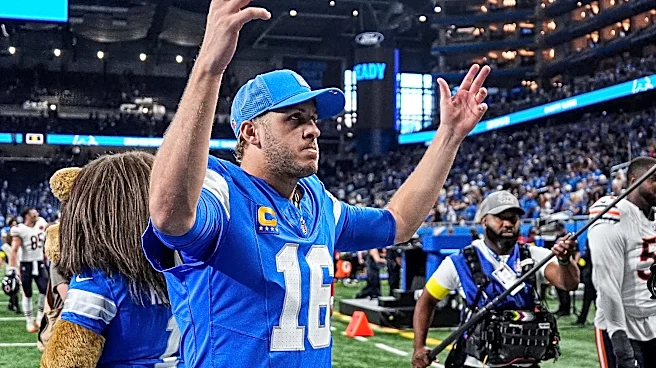
Whether you’ve tracked the NFL’s Top 100 or simply looked at different rankings from analysts, there’s no denying how talented the Lions are on paper. Offensively, you’d be hard-pressed to find many units better than them, even if you’re lower on quarterback Jared Goff than the consensus. Defensively, they have some questions, but assuming that the safety duo of Kerby Joseph and Brian Branch can return to full health this season, there’s a strong argument to be made for Detroit having a potential Top 5-7 defense. Assuming that new offensive coordinator Drew Petzing can get the offense back on track, the optimism surrounding the Lions for 2026 is warranted and very much real.
Reason(s) For Concern: The Secondary’s Health and Cornerback Depth
Talent on paper is one thing, but being healthy enough to play the majority of the season is another. We saw that exact situation with the Lions last season, when it seemed like every member of their secondary was dropping like flies as the season progressed. Despite the rash of injuries, defensive coordinator Kelvin Sheppard did an outstanding job of rallying the troops, especially as a first-year coordinator. With that in mind, the team has invested quite a bit at safety, and even with the improved depth of Chuck Clark and Izien, this defense can reach its potential only if its two starters stay healthy for most of the season.
Looking at cornerback, the situation would be a lot more dire if not for back-to-back years of active free agent acquisitions. D.J. Reed and James Pierre provide a safe enough floor for this group to be OK, but there’s not a world where having to cut bait with former first-round pick Terrion Arnold doesn’t sting. The hope is that Ennis Rakestraw Jr. and fifth-round steal Keith Abney will provide enough competition to take this group to the next level. That said, Detroit has had a troubling history of developing cornerback talent, and one injury to the starting three could put the rest of the depth chart in a tough spot.
Green Bay Packers (8-9) 3rd Place
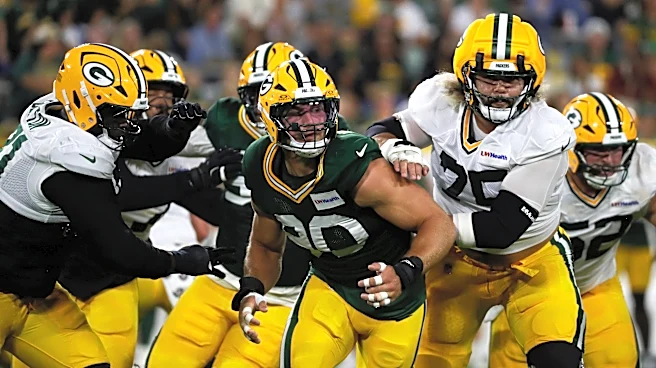
Key Additions: LB Zaire Franklin, DL Javon Hargrave, CB Benjamin St-Juste, CB Brandon Cisse (2nd Round Pick), QB Tyrod Taylor
Key Departures: DE Rashaan Gary, LB Quay Walker, LT Rasheed Walker, QB Malik Willis, iOL Elgton Jenkins
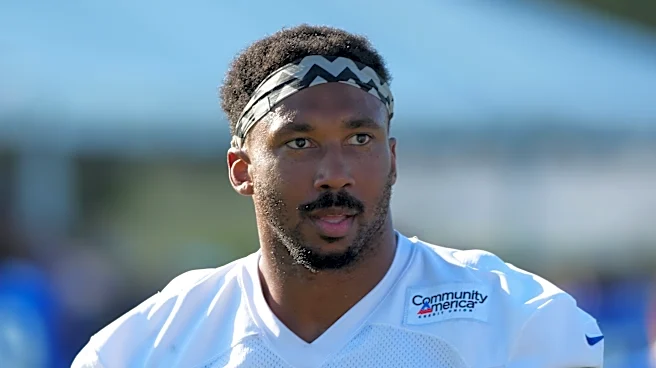
When the Packers traded for Micah Parsons on the eve of the last regular season, it was understood that they were going to be in a financial bind, at least in the short term. While the trade seemed like a home run early on, Parsons’ torn ACL put a big dent in how they finished last season and in how fans should shape their early-season expectations in 2026. The financial strain caused some tough decisions, including parting ways with former first-rounders Gary, Walker, and Jenkins. They also let Walker and Willis walk in free agency.
Because of those moves, they did have some cap flexibility to take on Franklin’s contract, along with signing veterans Hargrave and Taylor. St-Juste was another quality low-risk move, who should challenge for playing time early on. Overall, it’s fair to say that the Packers lost more than they gained, but some would argue that they cut some dead weight in the process while gaining some additional depth and upside. With no first-rounder in this draft or next, it’ll be tough for them to find Week 1 impact players early in the draft. Now, we must find out whether they did enough on defense to safeguard themselves against missing Parsons for the first month-plus of the regular season.
Reason(s) For Optimism: The Offense Is Still Very Good
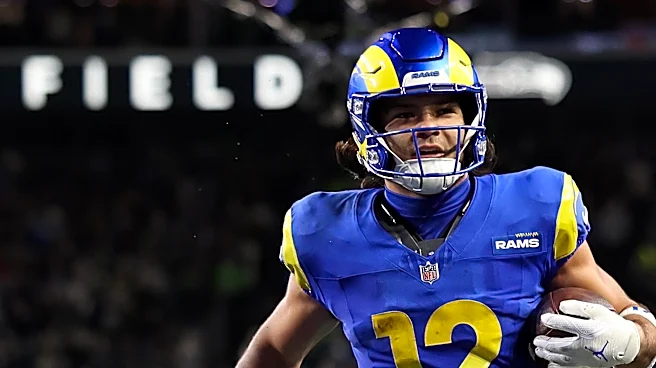
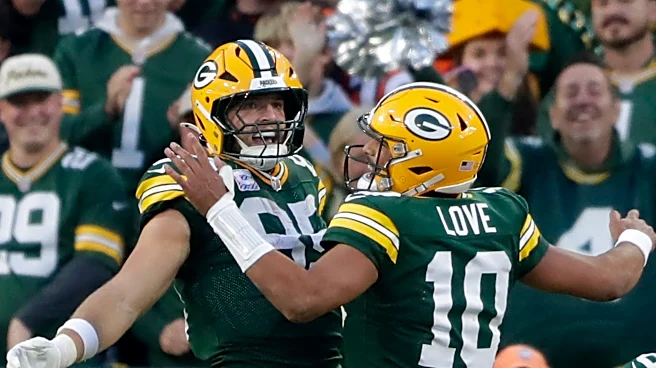
Even if quarterback Jordan Love doesn’t get the respect he deserves, he’s firmly in the Top 10 conversation with some ceiling yet to reach. Add in a speedy receiving corps and a healthy Tucker Kraft, and there are plenty of reasons for optimism surrounding this offense under head coach Matt LaFleur. To be clear, this isn’t a group without questions, especially along the offensive line and some questions behind Josh Jacobs at running back. That said, LaFleur has done an excellent job of making this a quarterback-friendly offense that produces regardless of who the pass catchers are. Assuming that Jayden Reed can round back into form following an injury-riddled 2025 campaign and Matthew Golden can come close to living up to his draft status, they should complement Christian Watson well, especially as vertical threats. There’s a lot to like about this offense, especially when it comes to the speed and explosive play ability.
Reason(s) For Concern: Edge Rushing Depth Behind Parsons
Edge rushing depth, especially in the short term while Parsons works his way back to full health, is a big question mark. That said, you can argue that the trenches on both sides of the ball are a concern. First, we’ll start on the defensive line, where former first-round pick Lukas Van Ness will finally need to produce like a first-round pick. After saying goodbye to both Gary and Kingsley Engabare, finding enough juice off the edge will be a challenge. Brenton Cox, Barryn Sorrell, and this year’s fourth-round selection, Dani Dennis-Sutton, will be tasked with providing quality depth and pass-rushing upside for the upcoming season.
On the other side of the football, the offensive line will be relying on multiple former draft picks to step up and fill the voids left by the offseason. While the center should be OK with Sean Rhyan sliding in as the starter, left tackle (Jordan Morgan) and right guard (Anthony Belton) are being thrust into roles that will require them to take the next step in their development. It’s safe to say that this is the most unsettled their offensive line has been in quite some time.
Minnesota Vikings (7-10) 4th Place
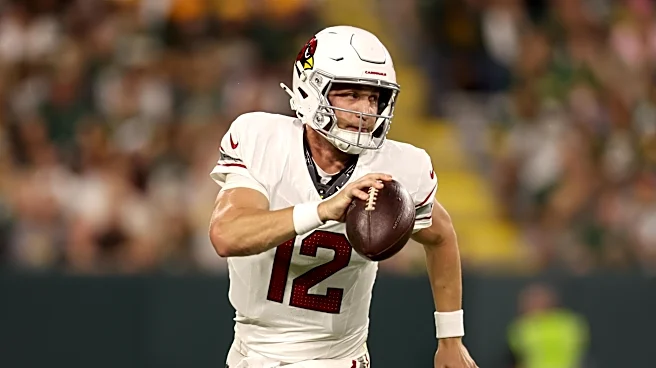
Key Additions: QB Kyler Murray, WR Jauan Jennings, DL Caleb Banks (1st Round Pick), CB James Pierre, Edge Kyle Van Noy
Key Departures: DE Jonathan Greenard, C Ryan Kelly, WR Jalen Nailor, DT Javon Hargrave, DT Jonathan Allen
Despite two playoff appearances over their last four seasons, the Vikings have been in a version of limbo since switching regimes following the 2021 season. Overall, it’s fair to say that head coach Kevin O’Connell has done a nice job, but the wheels fell off for the offense when the quarterback play plummeted. While the organization still claims to have faith in quarterback J.J. McCarthy, it was clear from the start that they didn’t trust who he could be in 2026, which led them to Murray. Of any free agent addition in the division, Murray has a chance to make the biggest impact. Giving him Jennings as a third receiver and third-down machine should be a big help, but there are still plenty of questions along the interior of their offensive line.
While the firing of general manager Kwesi Adofo-Mensah caught many off guard, it helped shape a more conservative offseason, without continually mortgaging the future. It also led to tough decisions, including trading Greenard, releasing Hargrave and Allen, and letting homegrown receiver Nailor walk in free agency. For the first time in a while, the defense has some questions in the trenches, but taking Banks and Domonique Orange in the draft should help ease some of those concerns.
Reason(s) For Optimism: Quarterback Can’t Be Any Worse Than 2025, Right?
Injuries have continued to be one of the many issues plaguing a slow start to McCarthy’s NFL career. In his place last year, the combination of Carson Wentz and Max Brosmer was not enough to get the Vikings back into the playoffs for a third time in four seasons. Even though the organization’s messaging regarding McCarthy remains positive, all eyes will be on Murray in 2026 and potentially beyond. No matter where you stand with the former No. 1 overall pick, there’s no question that he presents a noticeable upgrade over anything the Vikings had at the position just a season ago.
Only time will tell how Murray fits into O’Connell’s offense. Still, with McCarthy’s future uncertain, the 29-year-old has an opportunity to earn a long-term contract in Minnesota and follow a similar trajectory to both Kirk Cousins and Sam Darnold. No matter what version of Murray the Vikings get for the upcoming season, the optimism surrounding his arrival is warranted and provides a relatively safe floor for what the Vikings can be in 2026. The only real question is whether or not he’ll show enough to re-establish his standing as a Top 12-15 starting quarterback moving forward.
Reason(s) For Concern: Does A Questionable Interior Offensive Line & Kyler Murray Mix?
Following the same theme, the biggest question (outside of fit) for Murray and this offense will be the interior of the offensive line. Last offseason, the Vikings took multiple big swings to rebuild their interior, and suffice it to say, it didn’t pan out the way that they had hoped. With Kelly now retired due to a concerning string of concussions, Minnesota hopes Will Fries and Donovan Jackson can take steps forward this season. Fries was somewhat of a one-year wonder for the Colts, and despite a serious leg injury, he still earned one of the bigger contracts handed out to an interior offensive lineman last free agency. Jackson has all the makings of a good player, but he struggled with consistency during his rookie season. Sandwiched between them will be an uninspiring duo of Blake Brandel and Michael Jurgens. Considering Murray’s lack of height, consistent pressure along the interior could result in far more off-schedule plays than O’Connell prefers for his offense.