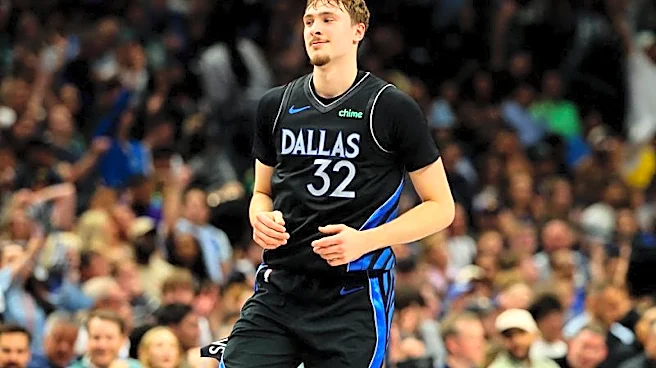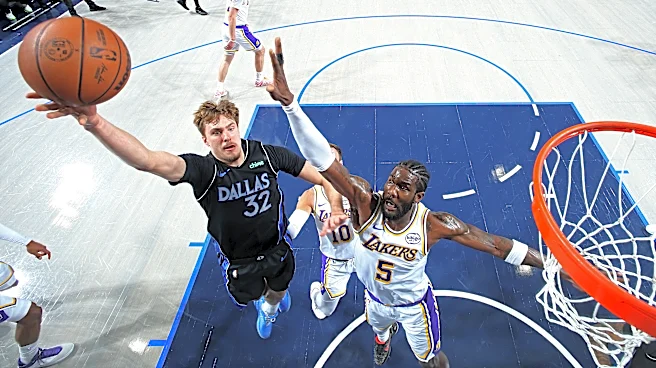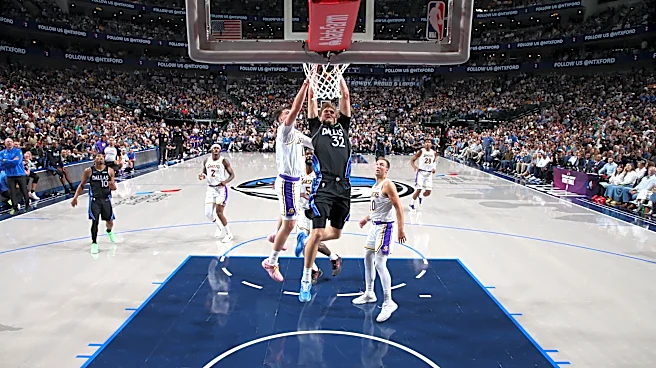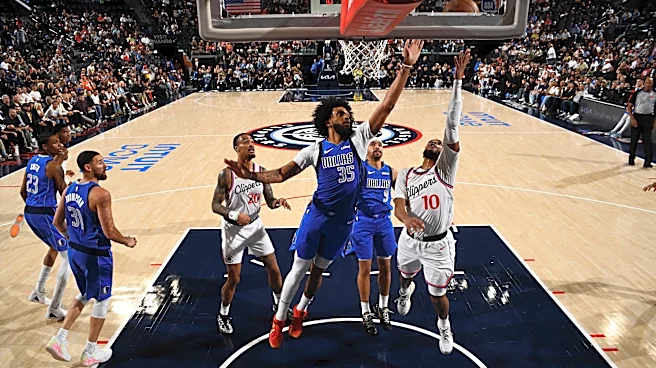




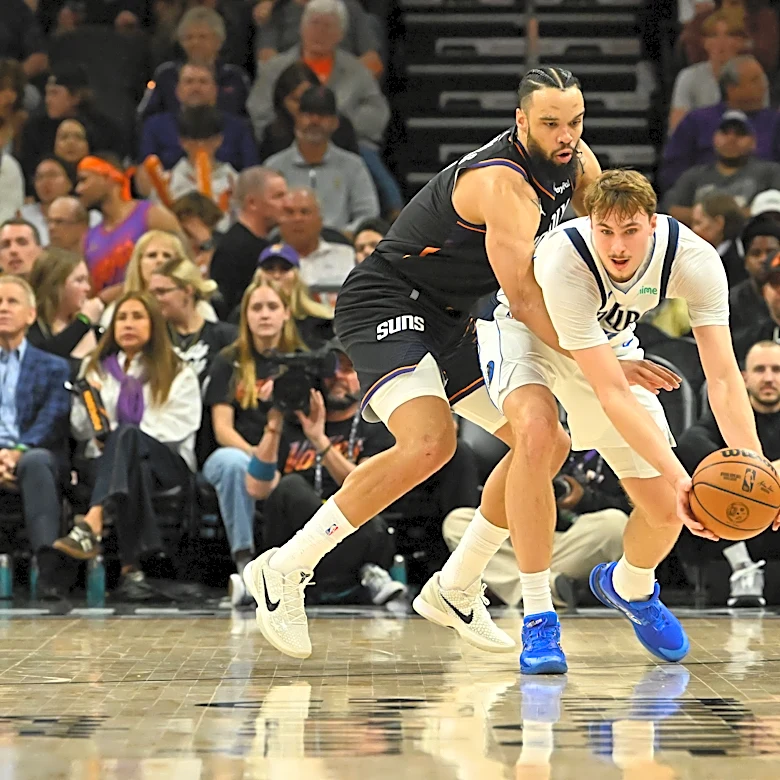
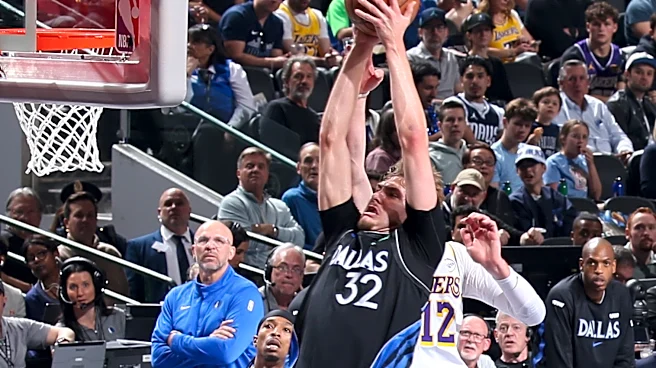
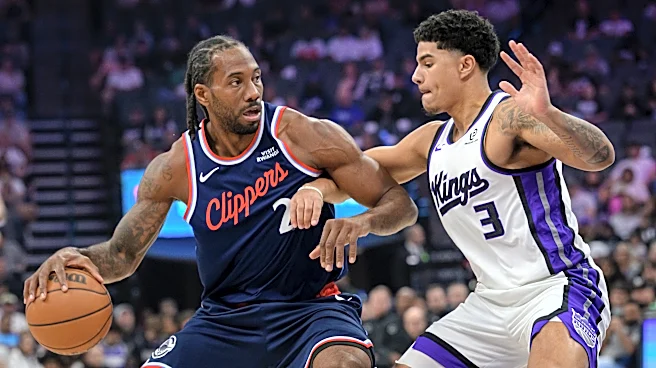
The Dallas Mavericks got run off the floor Tuesday night, falling 116-103 to the Los Angeles Clippers in a game that followed a familiar script from this stretch of the season. Dallas struggled offensively all night, shooting just 35.0% from the field and 6-of-33 from three (18.2%), making it nearly impossible to keep up despite getting to the line frequently. Marvin Bagley III was a clear bright spot, finishing with 21 points on 8-of-11 shooting and 9 rebounds, while Cooper Flagg added 21 points and 9 boards,
though it came on a heavy 25-shot workload. Klay Thompson struggled again, going 4-for-17 from the field and 1-for-10 from three, as the Mavericks never found consistent perimeter shooting. On the other side, the Clippers were more efficient and balanced, shooting 44.6% from the field and 37.8% from three, with multiple contributors keeping the offense steady throughout. Dallas hung around for stretches but never truly threatened down the stretch, as another tough shooting night and lack of consistent offense ultimately defined a loss that felt in line with where this team currently is.
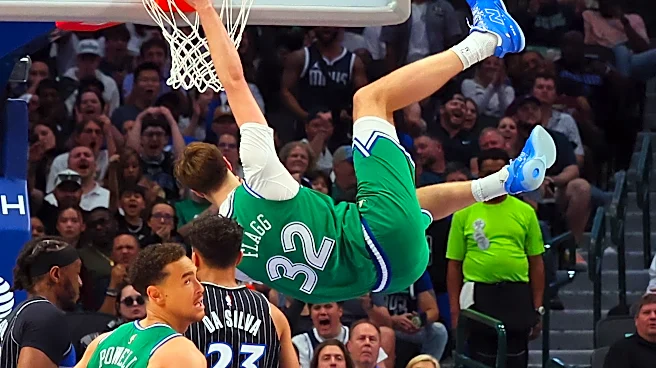
Dallas got hit right away in the first quarter, and it completely dictated the flow of the period. The Clippers opened on a 17-0 run, fueled by Darius Garland’s making, Kawhi Leonard’s getting control, and easy interior looks, while the Mavericks couldn’t get anything clean offensively. Early possessions were rough, with missed threes, a blocked Flagg layup, and multiple stalled trips that never put pressure on the defense. Cooper Flagg was eventually the one who broke the drought, scoring on a floater and then adding a step-back three, free throws, and an alley-oop dunk to give Dallas some life. Marvin Bagley chipped in with a couple of finishes inside, but every time Dallas showed signs of momentum, the Clippers immediately answered with another efficient possession. They closed the quarter down 39-26, a stretch defined by a brutal start and an offense that took far too long to find any rhythm.
The second quarter had a few brief moments where it felt like Dallas might settle in, but it never fully came together. The Mavericks opened with some life as Naji Marshall finished inside and Cooper Flagg hit a pull-up. Still, the Clippers quickly responded through Kawhi Leonard and Darius Garland, continuing to generate cleaner looks. Midway through the quarter, the offense stalled out, with Flagg having multiple attempts blocked and missing floaters, which killed any rhythm. Dallas got a small push from Marvin Bagley with a three, a dunk, and free throws, but second-chance points and trips to the line from LA immediately erased all momentum. Missed threes and empty possessions kept resetting any progress, and by halftime the Clippers held a 65-55 lead, a quarter where Dallas hung around but never took control.
The third quarter was Dallas’ stretch, as they finally found some rhythm and made a real push to get back into the game. It started with Cooper Flagg getting downhill and to the line, while also setting up Marvin Bagley for easy finishes, helping chip away at the deficit. Bagley provided consistent scoring inside, and Ryan Nembhard and Klay Thompson added timely buckets, allowing Dallas to pull even briefly. But every time the Mavericks got close, Kawhi Leonard answered, knocking down multiple threes and tough midrange shots to keep the Clippers in control. Dallas had chances to take the lead, but missed shots and second-chance opportunities for LA stalled momentum. By the end of the quarter, despite the push, Dallas still trailed 89-84, a much closer game but one that remained just out of reach.
The fourth quarter never really gave Dallas a real opening, and it slowly slipped away possession by possession. The Clippers opened with a Darius Garland layup, and even when Cooper Flagg answered with a dunk, and Ryan Nembhard added a layup, Dallas couldn’t actually close the gap. After cutting it to 90-95, the game turned, as the Clippers responded with Garland scoring, second-chance points from John Collins, and free throws from Bennedict Mathurin, quickly pushing the lead back out. From there, the MavericMavericks stalled again with missed threes, a shot clock violation, and multiple blocked attempts, while LA kept adding efficient looks to stretch it into double digits. By the final minutes, it shifted into end-of-rotation basketball, with Klay Thompson adding some late buckets and free throws, but nothing that threatened the result. Dallas never seriously pushed back, and the Clippers closed it out comfortably, 116-103.
Tough Watch for Klay
There was something genuinely sad about watching Klay Thompson out there late in this one, especially surrounded by a lineup that clearly reflects where this team is right now. He finished just 4-for-17 from the field and 1-for-10 from three, and a lot of those looks felt forced or rushed, not because he was playing poorly in a vacuum, but because the situation around him isn’t conducive to his success anymore. When you’re a player like Klay, tasked with creating or stabilizing offense on a tanking roster, it just highlights how out of place it all feels.
And to his credit, he’s been sothing but a pro through all of it. He shows up, takes the shots, plays his role, and doesn’t care about anything other than helping the team. But at a certain point, it’s on its Mavericks to recognize what this is. His value isn’t going to go up by playing in games like this, and the longer this goes on, the more it risks fading altogether.
There’s an argument that Dallas should do right by him. Find him a situation where he can contribute to meaningful basketball again, where his skillset actually fits the context. He’s eaHe’s that. And honestly, it would benefit both sides. Because watching him grind through nights like this, at this stage, doesn’t feel like how it should end.
We are Ready for a New Season
At this point, it’s a little relief to feel that the season is winding down. Nights like this are the perfect example of why. You’re going to have a depleted roster go up against another pretty mediocre team in a half-empty arena, and the game itself turns into a grind filled with stoppages, including 45 combined free throws through three quarters. It’s no, it’s losing, it’s what these games feel. Slow, disjointed, and honestly exhausting to sit through.
There’s a sweet element to it, though. On the one hand, it’s been a long season, and a break from this version of the Mavericks feels necessary. On the other hand, you know what’s next is actually exciting. The draft, the offseason, the potential reshaping of the roster. That’s the real intrigue now. Because while there are still flashes and individual performances worth watching, nights like this are a reminder that this team, as currently constructed, isn’t a product right now. And after stretches like this, it’s a hit to be ready to move on to what’s next.
Bagley continues to make his case.
Marvin Bagley III continues to quietly make a real case for himself, even in a season where the bigger picture is about losing and positioning. He finished with 21 points on 8-of-11 shooting (72.7%), adding 9 rebounds and a perfect 4-of-4 from the line, and it never felt forced. He just competed. Every possession, every touch, every opportunity to impact the game, he was there. And that’s consistent since he got to Dallas, even while dealing with injuries along the way.
What stands out most is how natural his fit has been alongside Cooper Flagg. He runs the floor, finishes at the rim, and gives Flagg a reliable interior presence to play off of, whether it’s lob dump-offs or second-chance opportunities. For a team that has struggled to find consistency in the frontcourt all season, that kind of stability matters more than it might seem on the surface.
The Mavericks will have to reevaluate their frontcourt this offseason seriously. That’s that. Bagley might not be a guaranteed piece moving forward, but he’s absolutely earned the right to be in that conversation. When you’re researching who competes, who produces, and who fits next to your cornerstone player, his name should come up just as much as anyone else.