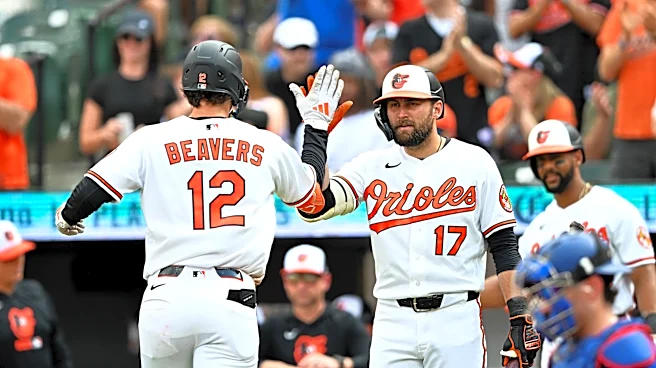


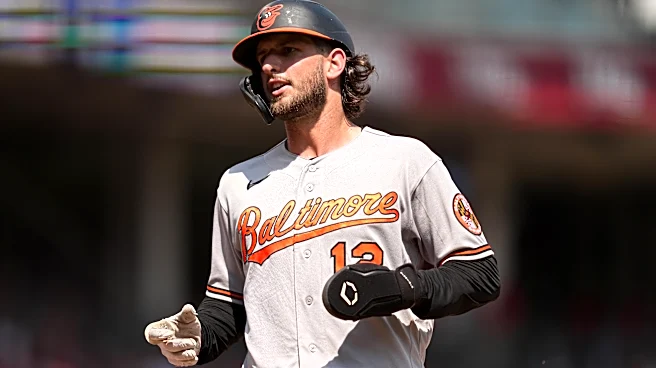


About a week ago, Sports Illustrated’s Jason La Canfora went looking for evidence to back up a hunch that’s been circulating in Baltimore for three straight seasons now: this team can’t run the bases. His July 1 piece on the Orioles’ fielding and baserunning woes laid out a bunch of metrics, and the picture wasn’t pretty. In actual point of fact, the Orioles are not the literal worst, but it feels bad anyway because, as La Canfora put it, the skipper “keeps begging for clean games and smart baseball
but it’s doubtful this team delivers.”
Running has been definitely one of the areas of stupidest baseball for the Orioles in 2026. By FanGraphs’ Base Running Runs, Baltimore sits at -1, ranked 19th in the majors. That’s below average, not catastrophic, but also a waste when you have good foot speed in players like Gunnar Henderson, Jackson Holiday, Leody Taveras, Dylan Beavers, and so forth. Our utility infielder is named Blaze Alexander, for crying out loud! So why does it feel like the Orioles are the sport’s running joke (pun intended) on the base paths?
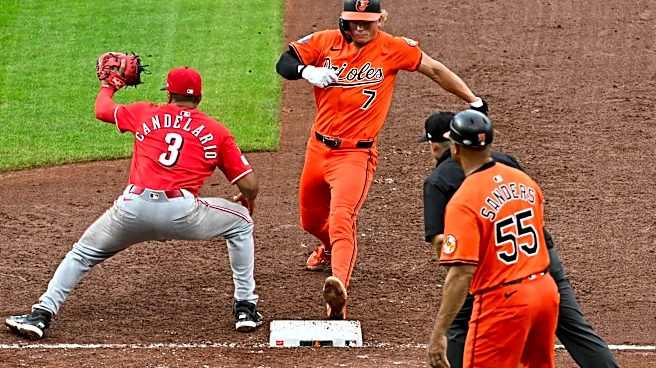
Well, look closer at several other baserunning metrics, and the Orioles’ efforts look considerably worse. Their stolen-base success rate of 71.6% is 25th in baseball. Only the White Sox, the Tigers, the Rockies, the Twins and the hopeless Mets are doing it worse. Most analytics departments consider 75-78% a threshold where it’s break-even for the risk to be worth it, so the team is clearly adding negative value. Add to that, the Orioles’ steal value at second base (how often they effectively steal second base) is -1, ranked 27th. Extra-bases taken puts them at -4, or 20th in the league, meaning they’re consistently failing to advance from first to third on singles or score from second on doubles at a league-average clip.
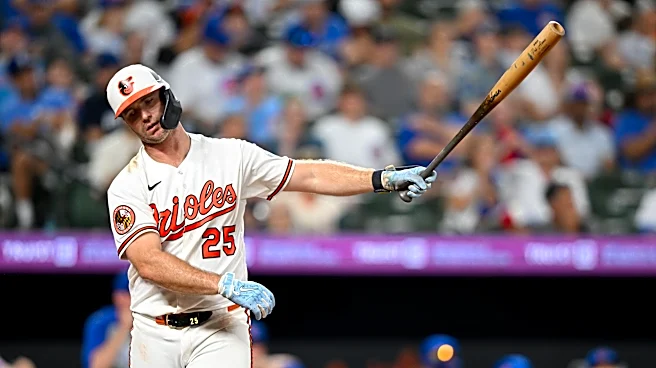
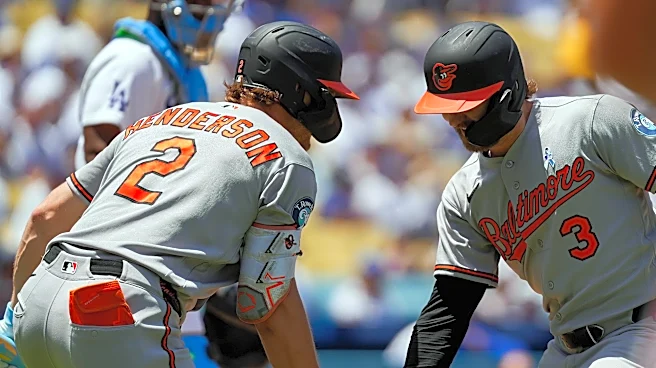
You could go beyond that and look at individual “caught stealings” to get a fuller picture of poorly-done risk-reward calculations. The team poster child for this right now is Gunnar Henderson, a massively talented player with both power and foot speed, but whose baserunning instincts are being attacked every other night, it feels like. Getting picked off twice in a single game isn’t just an unlucky night; it’s kind of a routine occurrence for the O’s shortstop this season. Henderson has all of seven steals on the season, a shockingly low number for a player with his athletic profile, and especially considering he’s been caught stealing four times.
There are several players, in fact, whose aggression on the basepaths is currently costing Baltimore more than it’s earning. Even though scouts still project Jackson Holliday as a 25-steal threat one day, he’s nabbing bases at just a 68% clip on his career (again, a league-average benchmark is about 78%). The same is true for a lot of players, it looks like. Colton Cowser has been caught stealing twice, and safely stolen a bag just four times. Dylan Beavers, even worse: two caught stealing to just three bags swiped. Blaze Alexander is fast, but he’s gotten thrown out three times in twelve attempts, so just below average. In fact, it’s Leody Taveras, a fourth outfielder by midseason, who leads the team in stolen bases with just 10. When your team leader in steals is a bench piece, that tells you the top of the roster isn’t running.
Then there’s the part of the game that doesn’t show up in a box score line as cleanly: the Orioles’ inability to execute the contact play in advancing from first to third. La Canfora’s description rates the O’s “a Little League team with the contact play trying to score runners from third with the ball hit in the grass.” That may be harsh, but it points to a real problem. Too many outs are being made at third base and at home plate on plays that should be simple two-out productive outs or sacrifice situations. Blaze Alexander has been guilty of this a lot, judging by the eyeball test. He has the speed and agility to be a weapon on the bases, but keeps making outs at third because he isn’t reading the ball off the bat well. Or he isn’t listening to the third-base coach? Whether it’s talent, speed, judgment or what, it’s supposed to be a problem area that the staff can actually fix in-season through repetition and coaching.
So, are the Orioles the worst baserunning team in baseball? Statistically, no, not quite. Nineteenth place in baserunning value (twenty-fifth in success rate) is unglamorous, albeit not historic. But we could fill in the picture with subsidiary data—pickoffs at first base, botched double steals, times getting thrown out at third or at home (there were three alone in an extra-innings loss to Seattle back in June)—to capture the picture of a team which, if not slow of foot or short on talent, feels, well, just kind of chaotic and messy. Combined with a defense that ranks in the bottom five in outs above average, runs prevented, and defensive runs saved, the Orioles are bleeding runs on both sides of the ball in ways that don’t require a brand-new roster to fix—just better decisions.
Is this, to keep asking the same question (but we have to keep asking it) a Mike Elias problem? La Canfora thinks so, brutally comparing this season to the last one: “Remember, Elias got promotions for himself and 16 other people after years of utter failure here, and now we get to watch an even worse product, with an even more befuddled skipper at the wheel, careen toward the All Star break and another inevitable firesale at the trade deadline with 1983 feeling like 1963 to those of us old enough to remember that last World Series parade.” Ouch. I’m not sure. But for a coaching staff supposed to be on the cutting edge of analytics, and a front office that allegedly drafts for athleticism, the results kind of speak for themselves.