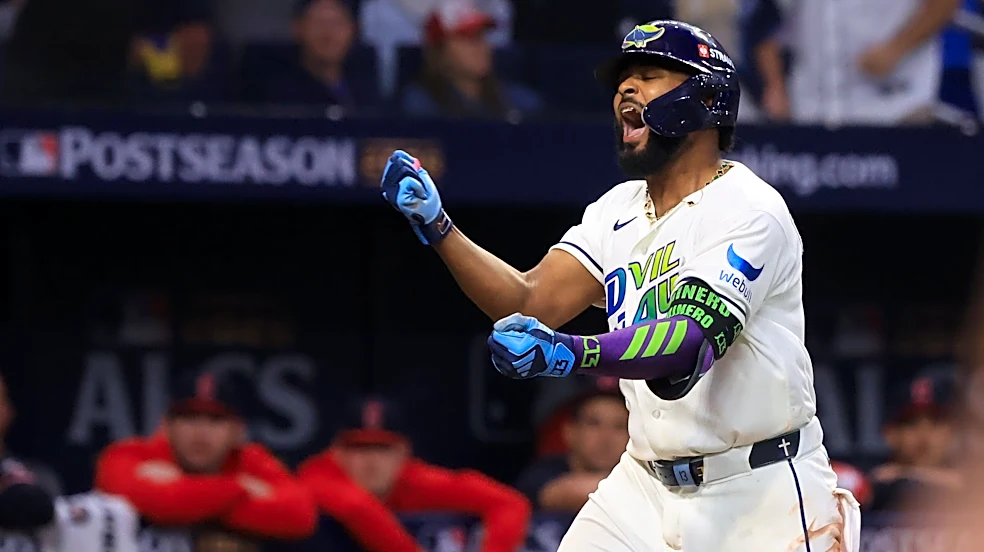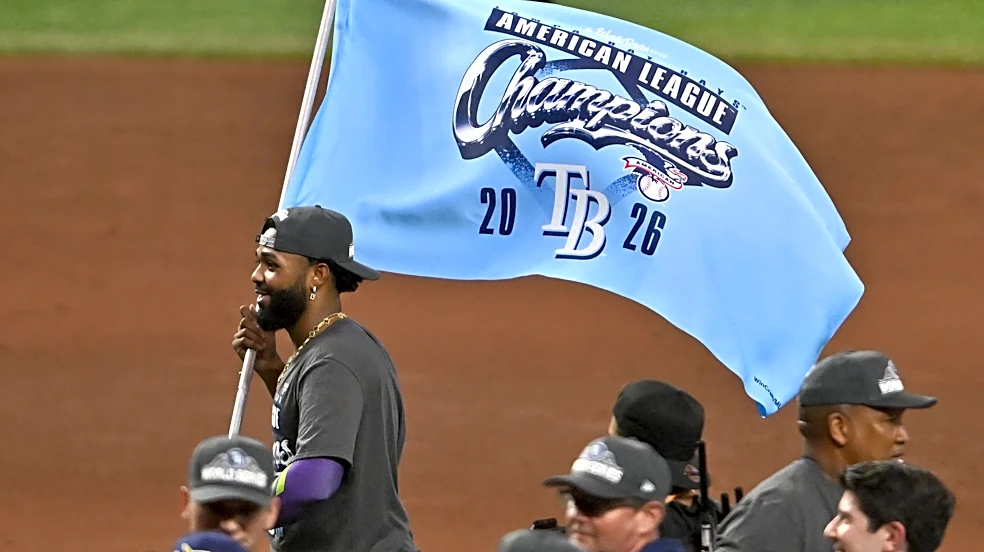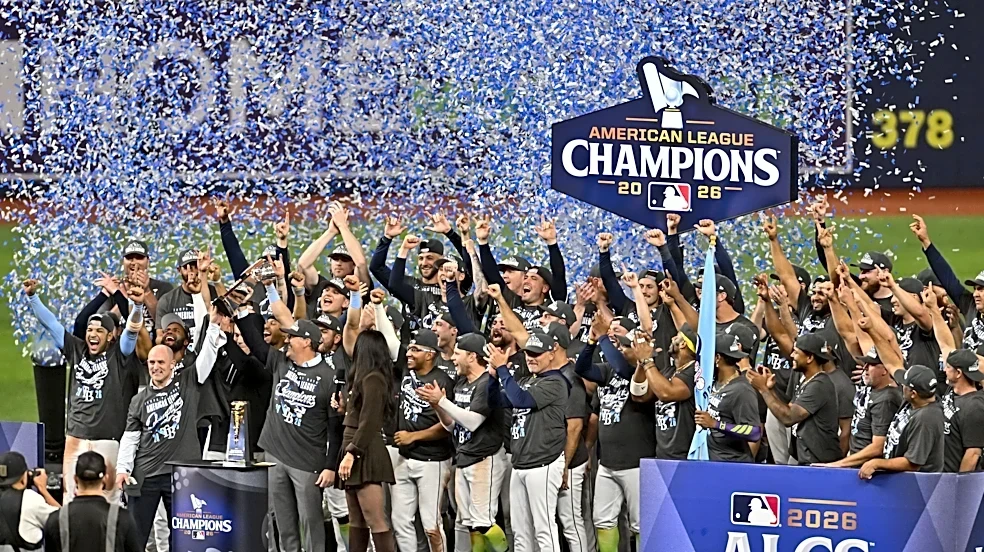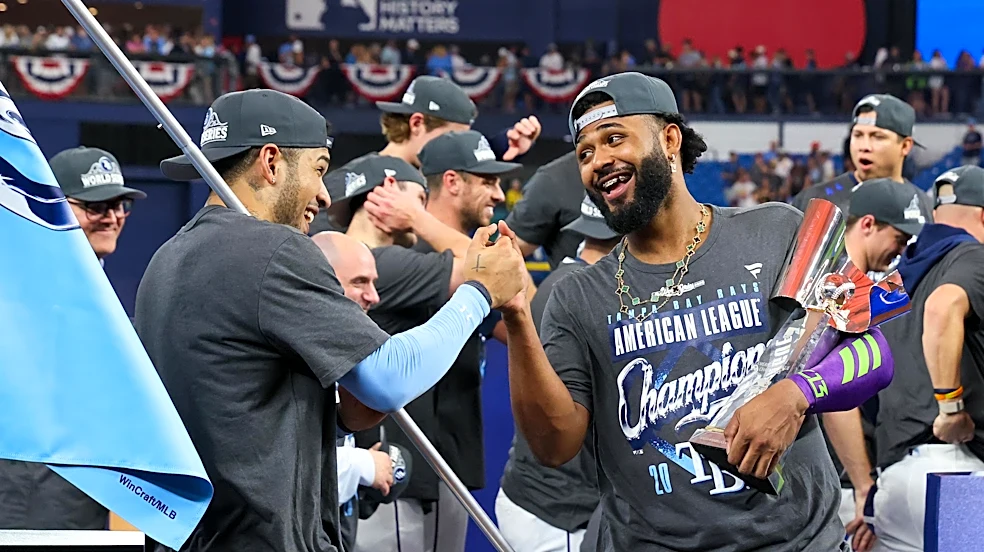




The Tampa Bay Rays — the top team in the American League — has held its own to achieve the third pennant in franchise history, and their second this decade.
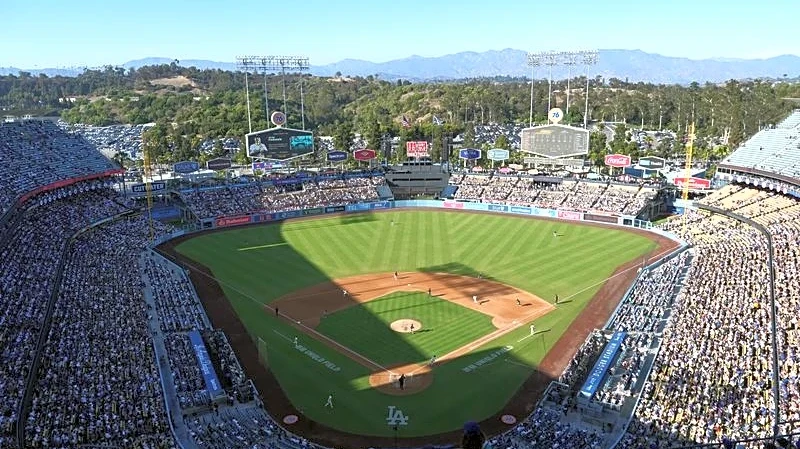
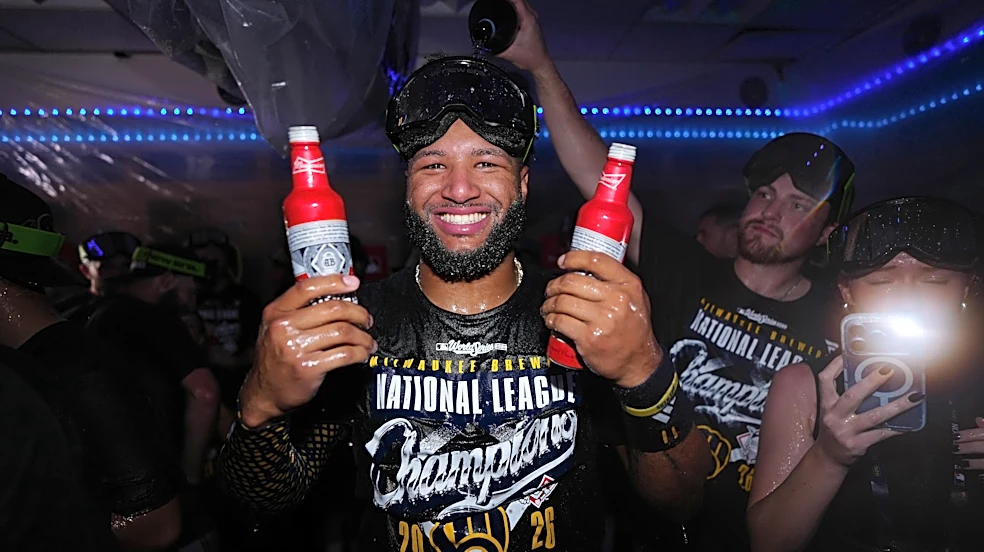
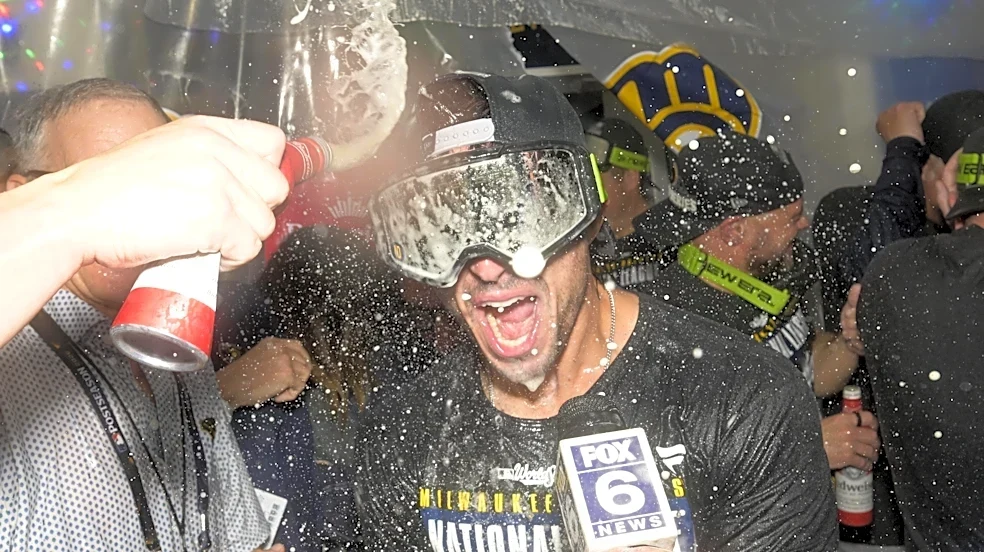
The Milwaukee Brewers are back in the World Series for the first time since 1982, and they’re doing it as the National League’s best team. The 103-win Crew swept the Los Angeles Dodgers in the NLCS and now host the Tampa Bay Rays in a matchup of two franchise-first title seekers. Game 1 is Friday at American Family Field.
Here’s a position-by-position
look at the Brewers as they prepare for the Rays.
Catcher
William Contreras is the lead backstop for Milwaukee, and one of the most popular Brewers, as he has been one of the more reliable all-around catchers in the National League in recent years and in the playoffs, as his bat has stayed productive into October. He posted a strong 1.157 OPS with three homers through the NLCS while handling a staff that mixes elite velocity with a deep lefty presence.
At backup, the more familiar Gary Sánchez provides a power-oriented option off the bench.
Infield
The Brewers’ infield blends elite defense, speed, and opportunistic offense.
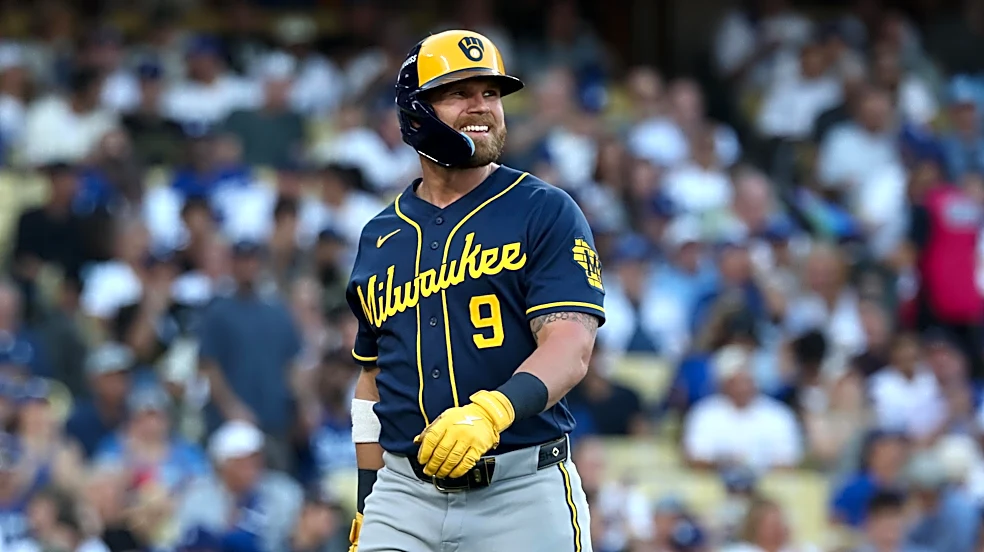
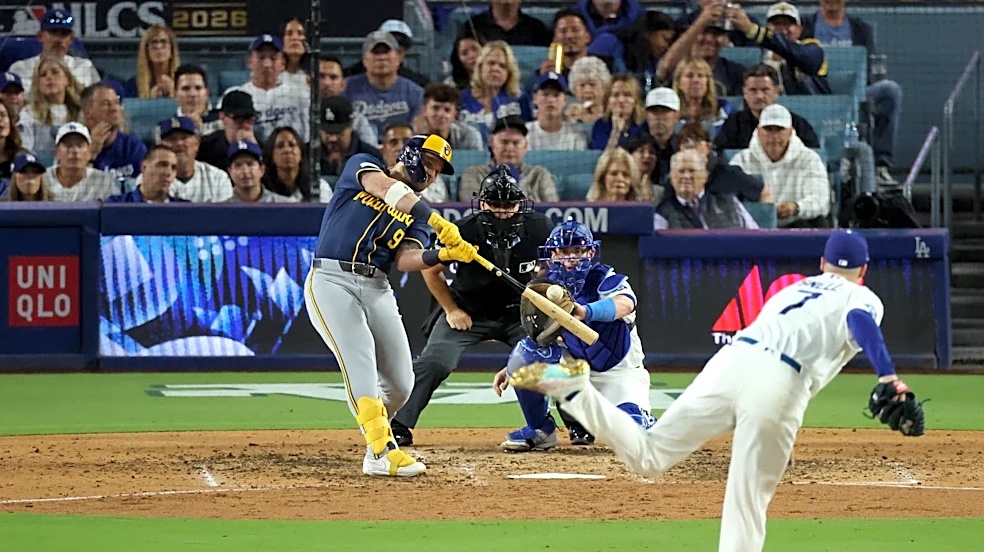
- First base: Jake Bauers. The NLCS MVP has been the postseason story for Milwaukee. A well-known Rays prospect if you’ve read this site for any length of time, Bauers nearly retired but returned for what he considered one more season last year to keep his health insurance benefits after his wife became pregnant with their second child. Fast forward two seasons, and he has delivered lengthy at bats with power and timely hitting throughout October while providing solid enough defense at the corner. Veteran White Sox infielder Andrew Vaughn has also seen time at first and as a right-handed bat off the bench or at DH against lefties.
- Second base: Brice Turang. One of the best all-around second basemen in baseball and the No. 2 hitter. Turang combines Gold Glove-caliber defense with improved power (21 home runs and 100 RBIs in the regular season) and baserunning. He’s a clear mismatch advantage and not to be trifled with.
- Shortstop: Cooper Pratt. The 22-year old rookie shortstop has started the bulk of the postseason games. He’s shown a contact-oriented approach and improving glove work as the year has progressed, and pushing the previous starter Ortiz into a third base platoon.
- Third base: Joey Ortiz / David Hamilton. This has been a platoon/mix-and-match spot. The right handed hitting Ortiz and left handed hitting Hamilton now split time depending on matchups. If we are drawing comparisons, neither matches Junior Caminero’s power, but both offer speed and defensive flexibility that fits Milwaukee’s style.
Outfield
Milwaukee’s outfield is built on athleticism, defense, and a rising star.
- Left field: Jackson Chourio. This 22-year-old superstar has continued his rapid ascent in 2026. Already with multiple 20-20 seasons under his belt, Chourio brings power, speed, and improving defense. He’s the dynamic centerpiece of the lineup, their version of a Junior Caminero, and fun to watch.
- Center field: Garrett Mitchell. Strong defensive center fielder who has delivered several big hits in the playoffs, including a go-ahead home run in the NLCS clincher. He gets on base and covers ground.
- Right field: Sal Frelick. Elite defender with speed and contact skills. Luis Lara has spelled him against left-handers and provides another athletic option. The group ranks among the best defensive outfields in the league.
Technically also an outfielder, the Designated Hitter, Christian Yelich, remains in the lineup and was recently named club captain. While not at his peak production levels, his experience and ability to still impact games remain valuable, especially against right-handed pitching.
Rotation
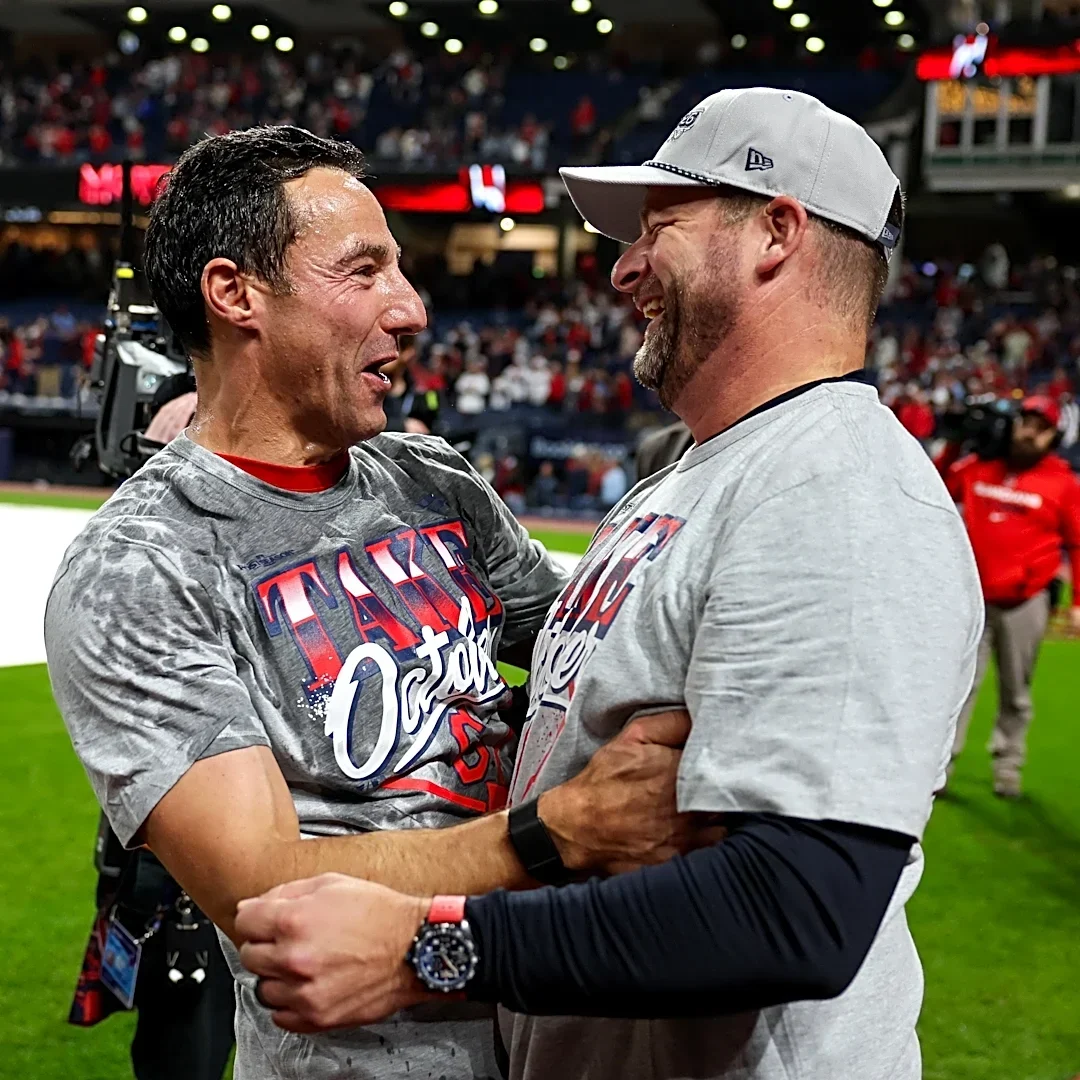
Manager Pat Murphy has utilized short leashes and heavy bullpen support, but has a solid rotation heading into the World Series:
- Jacob Misiorowski — The clear ace and yet to be crowned NL Cy Young winner (16-5, 1.80 ERA, 252 strikeouts in the regular season). He’s started Game 1 of both the NLDS and NLCS and will surely open the World Series. To say his high-velocity stuff that ranks among the best is an understatement. I half expected Misiorowski to mean fast in Polish, but apparently it’s something closer to bear.
- Logan Henderson — The reliable No. 2. Solid second-half performer who has handled Game 2 duties effectively in his sophomore season as a homegrown talent.
- Robert Gasser — Emerged as the preferred Game 3 option after strong late-season form and solid postseason outings (including shutout work in the NLCS). He was acquired in the Josh Hader trade with San Diego, over came a UCL surgery in 2025, and started the year in Triple-A, making his rise a bit unexpected. His dad’s best friend is evidently Vin Diesel.
- Dustin May (with Shane Drohan as an Opener) — May has postseason experience but has been used carefully; Florida State alumni Drohan opened Game 4 in the NLCS, and the southpaw seems likely to get the nod again given how well that went last time.
No starter has gone particularly deep in October, which is by design. Milwaukee trusts its relievers to take over after four or five innings, limiting any time-through-the-order penalties.
Bullpen
This unit has been the difference-maker. The Brewers’ bullpen allowed just six earned runs across more than 40 postseason innings heading into the World Series and featured relievers earning the win in all four NLCS games during the sweep of Los Angeles.
- Trevor Megill — 6’8” Closer. Reliable late-inning presence, and a bit of an invention by the Brewers, having been added for a PTBNL in April 2023.
- Abner Uribe — Primary setup man. High-velocity right-hander who has been outstanding, despite blowing a save in Game 3 of the NLCS he’s been their best bullpen arm this month.
- Aaron Ashby — Left-handed workhorse who has been nearly unhittable in October (multiple scoreless multi-inning outings) and got the save in Game 4 of the sweep.
- DL Hall / JoJo Romero — Additional lefty depth options that each were credited wins in the NLCS.
Regular season starter Kyle Harrison will likely find his way into the mix as well. The group throws exceptionally hard on average and enters the series fully rested after the NLCS sweep and the Rays’ longer ALCS.
Conclusion
The Brewers’ formula is clear: elite defense, contact and speed on offense, an electric frontline starter, and a lights-out bullpen that can cover the middle and late innings.
Against a similarly constructed Rays team that also emphasizes pitching, defense, and small-ball elements, the series should be tight, low-scoring, and decided by the margins. Milwaukee holds home-field advantage and the deeper, harder-throwing relief corps—two factors that could prove decisive in a first-time-champion showdown.