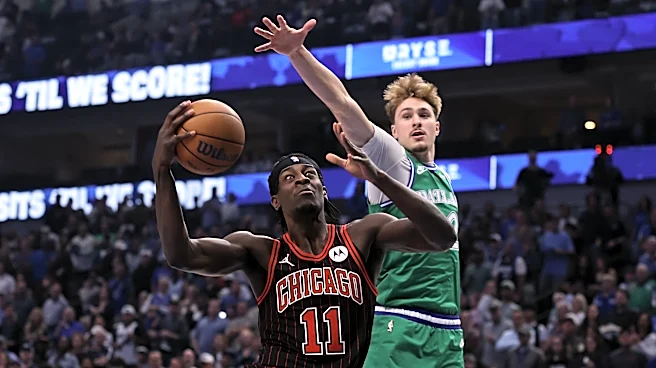









The Dallas Mavericks didn’t end up here by accident. This wasn’t just bad luck or one bad stretch. This was a season defined by hesitation. They didn’t fully commit to competing, but they also didn’t fully commit to losing until it was too late. The result was a middle ground that, in the NBA, is the worst place you can be. Dallas picked up just enough late-season wins to avoid the very bottom of the standings, but not enough to matter in the playoff picture. That’s how you end up tied with New Orleans
at 26-56, not bad enough to lock in stronger odds, but not good enough to control your own fate.
And that’s where this whole “coin flip” situation comes in.
Except it’s not actually a coin flip.
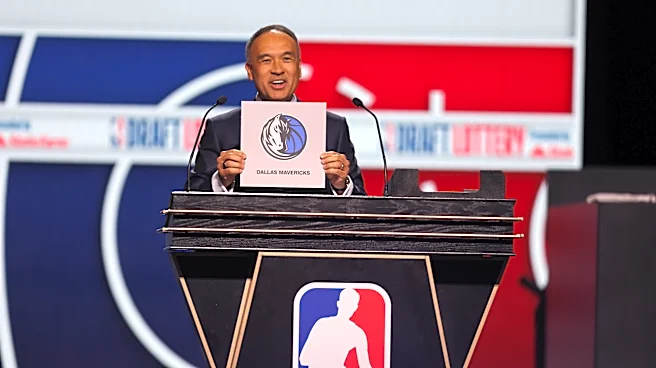
The NBA doesn’t literally flip a coin. Instead, random drawings conducted by the league and Ernst & Young in Secaucus, New Jersey, are used to break ties in the standings for lottery positioning. It’s still pure luck, just with ping-pong balls instead of heads or tails. The outcome serves the same purpose. It determines who gets the better odds and who gets pushed into the more dangerous range. It’s just dressed up in a more official process.
And for Dallas, that drawing didn’t go their way.
The Mavericks officially lost the tiebreaker with New Orleans, which means they enter the lottery with the 8th-best odds instead of 7th. On paper, the difference between those two spots looks small. The odds of landing the No. 1 pick barely change. The top-four odds dip slightly, but nothing drastic. If you’re only looking at the upside, it doesn’t feel like a big deal.
But that’s not where the real impact is.
The real impact is the floor.
Looking at the odds chart, this is exactly where things start to shift. At 7, you’re relatively protected from a major drop. At 8, you’re not. The probability of falling into the 9–11 range increases significantly, especially with the lottery format allowing teams behind you to jump into the top four. That’s the part that changes everything. It’s not just about missing out on moving up. It’s about being far more vulnerable to sliding back.
And that’s why this outcome matters so much.
Because the Mavericks have already seen how something this small can change everything.
Last year, they were in this exact position, tied in the standings and needing a tiebreaker. They won that drawing against Chicago, secured the slightly better odds, and that marginal advantage turned into the biggest moment in franchise history. They jumped in the lottery and landed Cooper Flagg at No. 1 overall, completely altering the direction of the team.
That’s the margin. That’s how thin it is.
This time, they’re on the wrong side of it.
And it makes the way they got here even more frustrating. Because this wasn’t unavoidable. Dallas had chances to fully lean into the tank earlier in the season, to secure a better slot cleanly, and they didn’t. They hovered in that in-between space, picked up a few extra wins late, and ultimately left something this important up to randomness.
Now, the path forward is still there, but it’s way more difficult to land on the best path forward, and way easier to land on a lesser path forward.
Dallas can still jump. They still have a chance at the top four. But they’re now more exposed than they would have been just one spot higher. In a draft that is critical to building around Cooper Flagg, that difference matters.
And that’s the brutal reality of all of this.
An entire season, all the decisions, all the losses, all the frustration… and the Mavericks still could find a way to have the eight best odds at the number 1 pick and could lose out on one of the better players in this draft by falling.