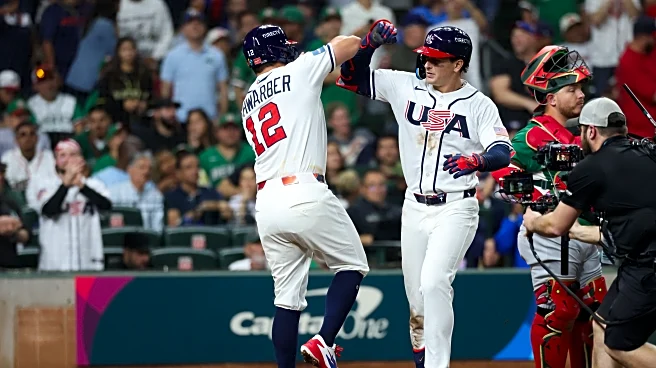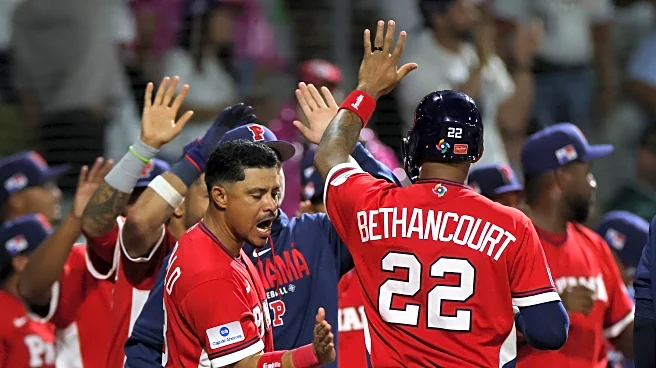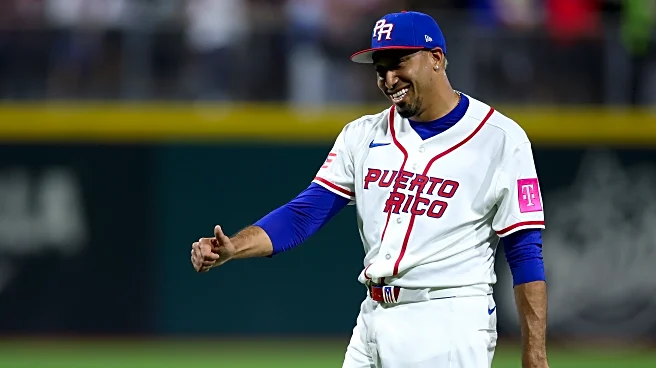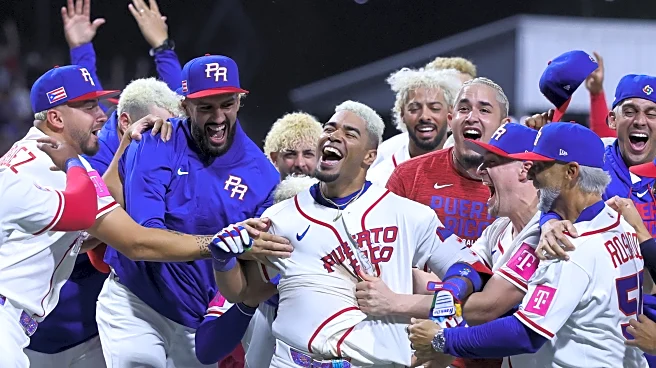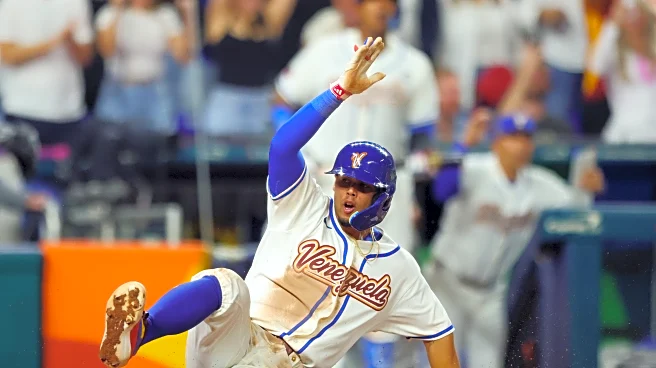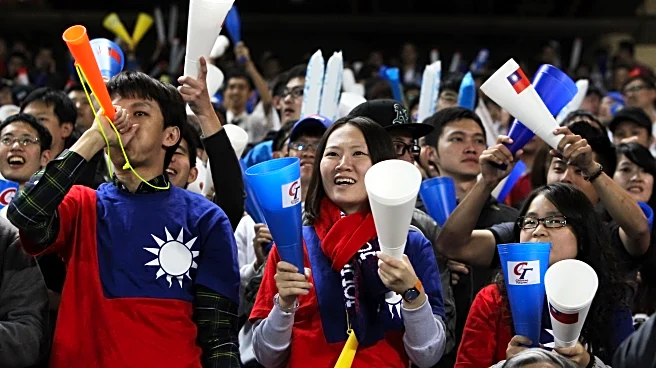

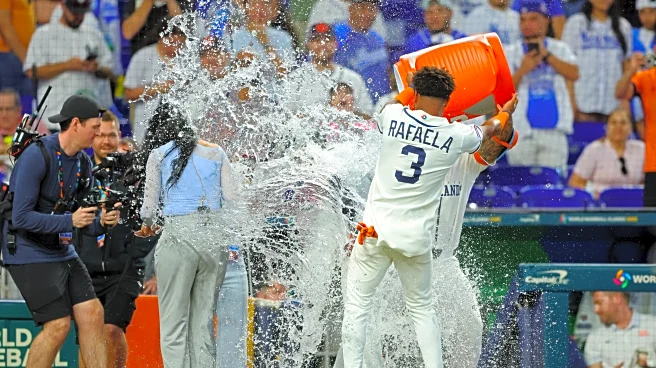
Welcome back to your indie, boozy coffee shop or maybe today we should call it el bar con café today. We’re coming at you from San Juan, Puerto Rico where I’ll be reporting from the World Baseball Classic over the next ten days. Grab a cerveza with a lime if you’re so inclined or un cafecito if that’s more your style. We’ll be vibing until the wee hours of the morning, just be sure you tip the waitstaff and bus your own tables so Josh doesn’t have a mess to deal with tomorrow.
My apologies to folks
freezing in the Midwest, but it’s a perfect 82 degrees here and the béisbol vibes are elite. While the weather got a bit spotty at times, leading to a multi-rain delayed matchup between Canada and Panama in Friday’s action at Hiram Bithorn Stadium, the vibes could not be dampened by rain.
One of the first rules of traveling to a stadium for the first time is knowing what’s allowed in the park. I’ve covered the wide variety in bag policies at MLB stadiums before. Every now and again when you look at ballpark rules you uncover new quirks you may not have thought of before. For example, this list of instruments allowed and not allowed at the World Baseball Classic:

I’ve spent far to much time imagining the meeting that allows for bongos and buleadores while banning kazoos and vuvuzela’s, but we’ll talk more about that in a minute. First, some tunes of our own:
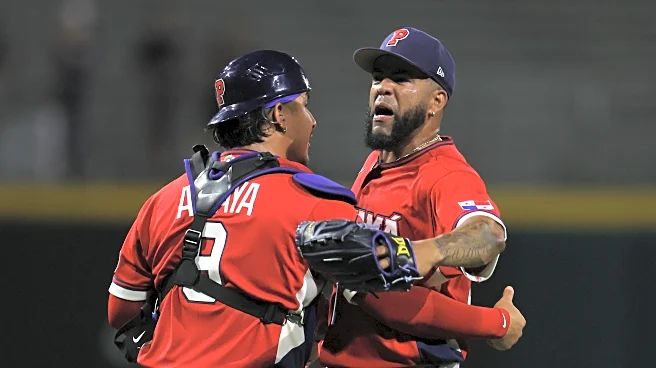
One of the members of Panama’s World Baseball Classic roster is Cubs catcher Miguel Amaya and it just so happens he walks out to some music with great vibes:
Amaya walks out to Las Avipas by Juan Luis Guerra. Guerra is a titan of Latin music from the Dominican Republic. He’s won 31 Latin Grammy Awards, and let me tell you this dude has range. He’s credited with popularizing bachata music internationally. He’s also experimented with a range of different styles and beats. I’m not generally a big fan of citing Wikipedia directly, but in the case of Guerra’s page it’s eye popping and informative:
Guerra is one of the most internationally recognized Latin artists of recent decades. His popular style of merengue and Latin fusion has garnered him considerable success throughout Latin America. He is also credited for popularizing bachata music on a global level and is often associated with the genre, although his distinct style of bachata features a more traditional bolero rhythm and aesthetic mixed with bossa-nova influenced melodies and harmony in some of his songs.[6] He does not limit himself to one style of music, instead, his music incorporates a wide arrange of diverse rhythms such as merengue, bachata, bolero, balada, fusion, salsa, cumbia, mambo, cha-cha-cha, pop, rock and roll, reggae, classical, R&B, folk, blues, jazz, funk, soul, rock, hip-hop/rap, son cubano, and religious, amongst many others. Ojalá Que Llueva Café is one of his most critically acclaimed pieces.
That’s the functional equivalent of me piecing together an award winning writing career covering every sport from baseball to e-sports at all levels of play, including domestic and international prospects plus fantasy analysis for leagues as diverse as the WNBA, Premier League, MLB and, well, you get the picture.
In fact, Las Avispas is a modern riff on a Christian worship song as you can see from a bit of the translated lyrics below:

It’s a beautiful song from a 2004 album called “Para Ti,” which mostly included Christian music. This is not your standard Christian music album, it went triple platinum and debuted at number one on the US Top Latin Albums.
Back to béisbol. My apologies for the aside but it seems appropriate that as I’m writing this section the legendary Christopher Walken and Will Ferrell cowbell sketch from SNL is on at the bar next to a replay of the United States victory over Great Britain last night in Houston. Luckily, cowbells are allowed at games throughout the tournament, while clappers are not:
While many people on social media reacted to this list as if it were speculative “who brings bongos to a baseball game?” those people must not have a lot of experience with international baseball. In 2023 when I attended the World Baseball Classic in Miami there were bands outside the tournament. There were bands in the concourse. There were bands in the stands during the games. There was a gentleman just a couple rows behind me banging a cowbell so enthusiastically Ferrell himself would have been jealous during the late innings of Panama’s thrilling 4-3 victory over Canada on Friday night.
That said, there are curious decisions here. For example, what possible harm could a kazoo have in an environment where a make-shift band is rocking out in the middle of the stands during inning breaks? I think I can understand disallowing airhorns and bullhorns, but I’m pretty sure that the functional difference between actual drums and pots and pans is just limiting the ability to use these items to the population who are willing to spend $50-500 on actual bongos.
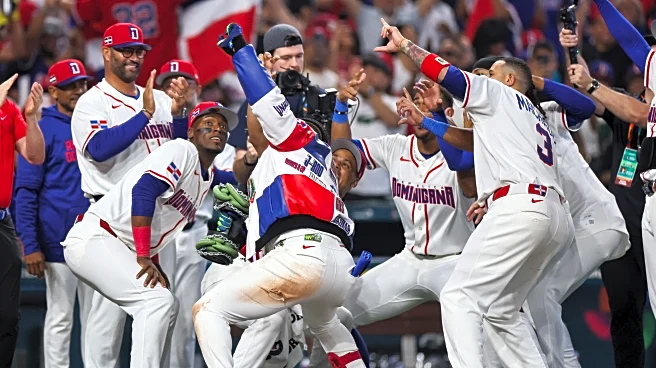
The music, joy and exuberance surrounding team celebrations with music are one of my favorite parts of the World Baseball Classic. It’s fascinating to see all of the different ways fans cheer for their teams at the WBC. It’s such an amazing element of the tournament, I almost want them to throw caution to the wind and just allow more.
So what say you, BCB After Dark? Did whatever committee that decided this list of banned and allowed instruments get it right? Or did they get it wrong? What’s the one instrument on the banned list, or not listed at all you’d want to see on the allowed list? Let us know in the comments below — and don’t forget to clean up after yourself so Josh let’s us all hang out again next week.