


Enough.
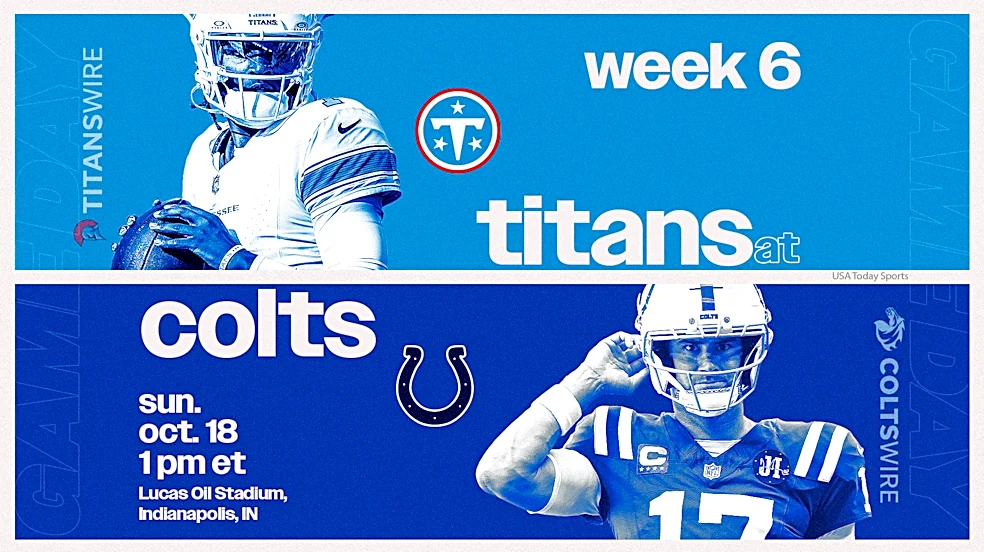
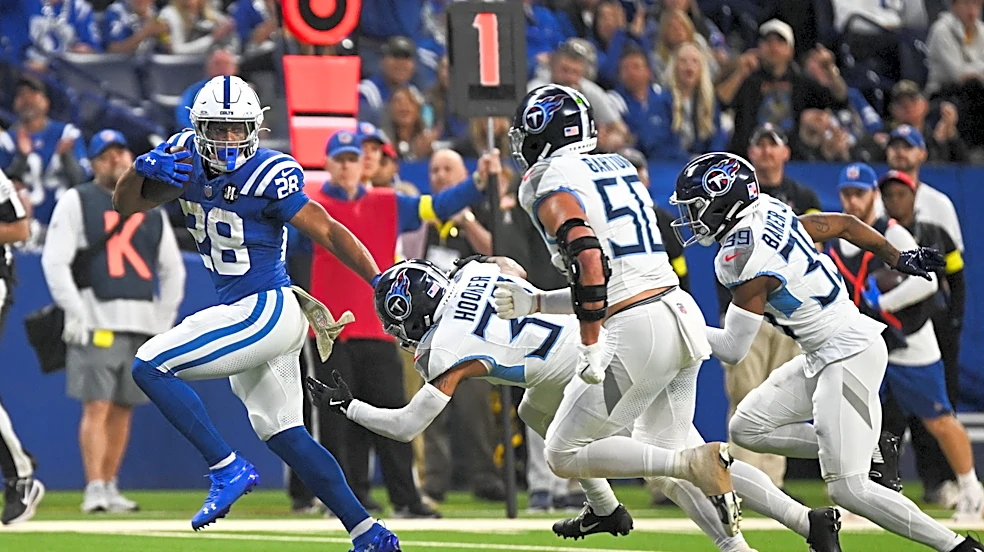
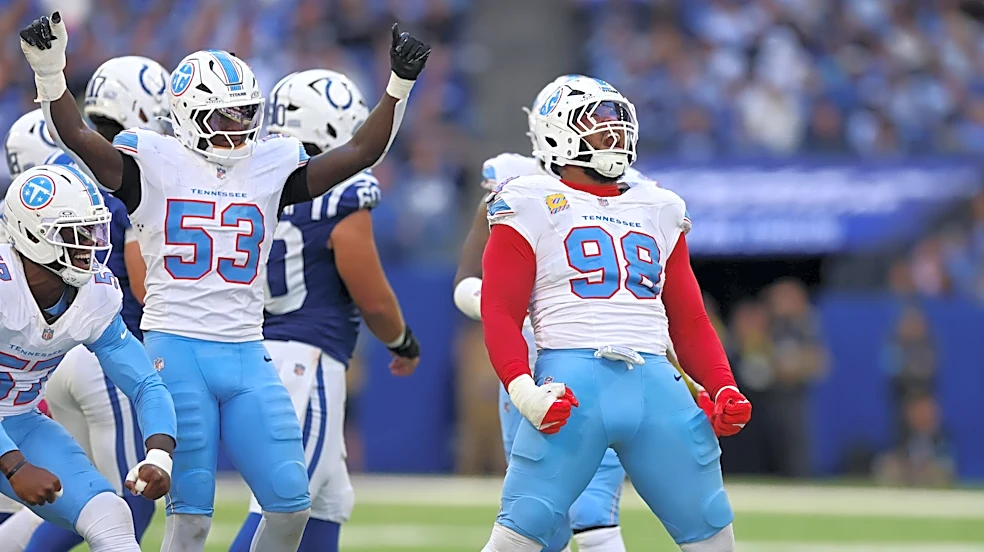
The Tennessee Titans walked into Lucas Oil Stadium on Sunday at 0-5. They had scored three points the previous week, entered the afternoon averaging 11.6 points per game and looked every bit like one of the worst teams in football. The Colts led them 13-0 at halftime and somehow lost 26-20. Tennessee picked up its first victory of the season, Indianapolis fell to 2-4 and a game that should have been one of the easiest remaining wins on the schedule instead became one of the most embarrassing
losses of the Chris Ballard era. The Titans even scored a late touchdown off a blocked punt because apparently struggling on offense and defense was not enough; special teams needed to join the party too.
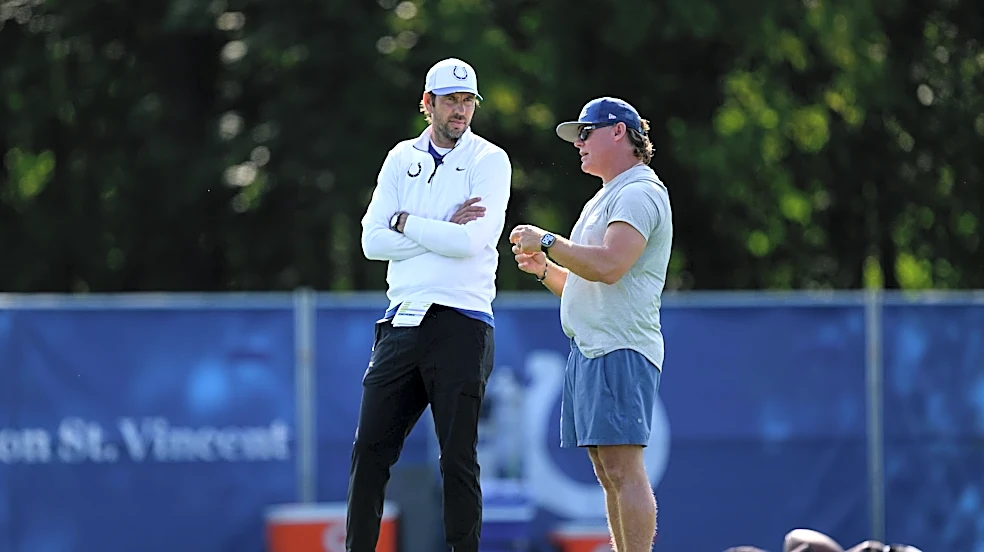
I have written about firing Ballard before. I have written about firing Lou Anarumo. I have criticized Shane Steichen plenty over the last few seasons. At this point, separating all of these problems almost feels pointless because the entire operation looks broken. Fire Ballard. Fire Steichen. If Anarumo goes with them, fine by me. Put interim people in charge, let them get through January and start preparing for an offseason where this organization finally gets a new direction.
This is not a playoff team right now, and it does not look particularly close to being one. Sunday should be the game that finally ends the argument.
This is the roster Chris Ballard built
Ballard is in his 10th season as general manager of the Indianapolis Colts. Before this season, his teams were 70-78-1 with two playoff appearances, one playoff victory and zero AFC South championships. Add this year and the record is now 72-82-1. Ten years, zero division titles. That is not a temporary slump, a rebuild that needs another offseason or the product of one unfortunate quarterback injury. It’s the résumé. It’s who he is! This is what the Colts have been under Chris Ballard.
Sunday was almost a condensed version of every roster-building issue that has followed him around. The Colts were missing Alec Pierce, Tyler Warren and Ashton Dulin, which left Daniel Jones throwing primarily to Josh Downs, 31-year-old Laquon Treadwell and 34-year-old Keenan Allen, with Will Mallory taking on a bigger role at tight end. Injuries are obviously part of that, but the problem is what happens when those injuries arrive. Good rosters lose starters and still have functional NFL players waiting behind them. Bad rosters suddenly look like this one.
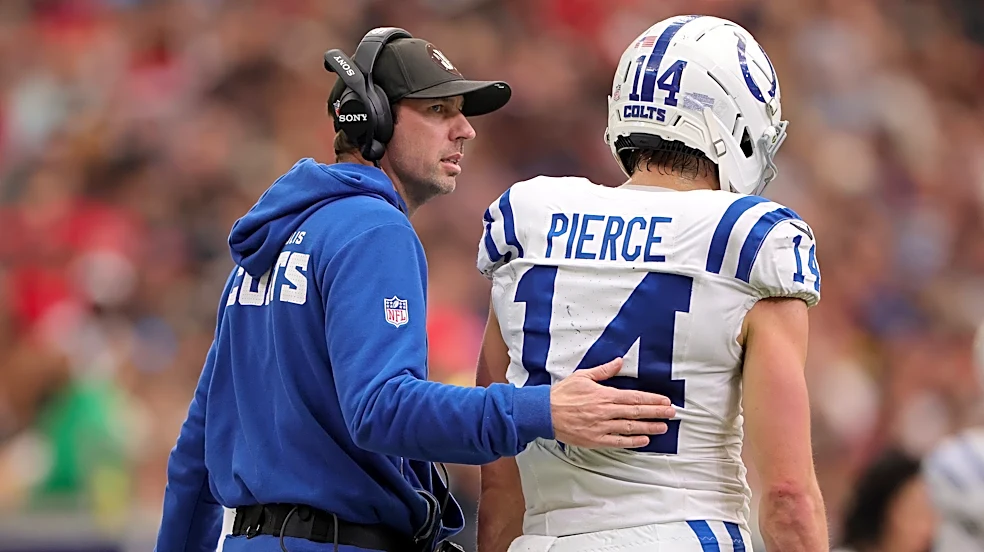
Pierce is the perfect example. His heel was already a known concern after offseason surgery, yet Indianapolis entered the year without much proven insurance behind him. Once Pierce aggravated the injury, the Colts reacted by signing Darius Slayton in late September. He never played a snap, struggled to get integrated, dealt with a knee injury and was released less than a month later. That is not preparation. That is scrambling after the emergency has already arrived.
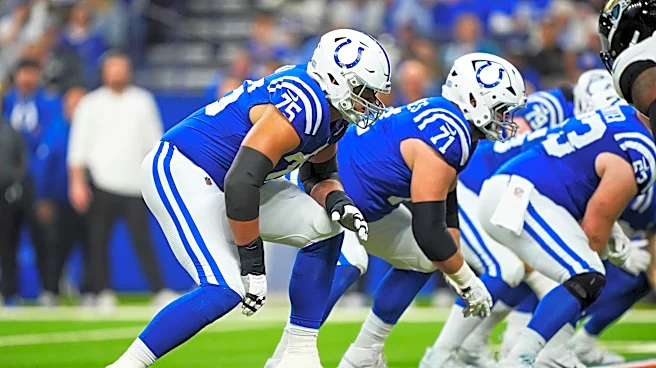
The same problem exists at offensive tackle. Braden Smith is gone, and instead of adding a legitimate veteran option, Ballard decided the Colts had enough internally. Jalen Travis has been one of the players asked to fill that void, and Sunday was another example of how badly that bet has gone. The tackles were overwhelmed, with Travis in particular looking completely overmatched. Jones deserves plenty of criticism for his performance, but playing quarterback becomes much more difficult when the edges of the pocket collapse and your depleted receiving corps is not consistently separating.
Ballard has always preached development. Draft your guys, trust your guys and give them opportunities. There is nothing wrong with that philosophy when the players are good enough. Sometimes, however, “your guys” simply are not good enough, and after ten years that excuse has worn extremely thin.
Daniel Jones is not the answer, and Steichen has not helped him
Jones was terrible Sunday. His decision-making was poor, his arm looked weak and his game deteriorated quickly whenever Tennessee generated pressure. There were throws where he looked uncomfortable before the play ever had a chance to develop, and there simply are not enough high-end physical traits left to compensate when everything around him starts breaking down.
This has not come completely out of nowhere either. Entering Sunday, Jones had only three touchdown passes against four interceptions in five games while averaging 5.8 yards per attempt with a 73.6 passer rating. He showed enough against Kansas City to remind everyone there is still some talent there, and the finish against Houston was encouraging, but the overall trend has been ugly. Steichen attached his offense to Jones after the success they had early last season, and I understood the logic. Before the Achilles injury, Jones played legitimately good football in 2025 and Steichen got more out of him than the Giants consistently did. That pairing gave the Colts a reason to believe it could work again. It clearly is not working right now.
What bothers me more is how little the offense seems to be doing to compensate. If your quarterback struggles against pressure, your tackles cannot protect him and half of your receiving corps is injured, the structure of the offense needs to change. Find easier completions. Move the pocket. Use more misdirection. Manufacture touches. Get Jonathan Taylor more involved in the passing game. Give Jones throws where he does not have to stand in a collapsing pocket, process everything perfectly and then make a difficult throw to a receiver struggling to separate.
Instead, the offense too often looks like it is asking mediocre players to simply play better.
Anthony Richardson is sitting there, and if Indianapolis wants to give him another look, go ahead. Just do not pretend changing quarterbacks suddenly fixes the team. Richardson is not walking onto the field and magically rescuing this offense, and Riley Leonard is not either. The entire quarterback room has questions, the tackles are struggling, the receiver group is depleted and Taylor cannot carry the offense by himself every Sunday. Put whoever you want behind center. The problems are much bigger than one player.
That brings Steichen into the conversation because this is his side of the football. The 2025 offense was legitimately good before the season collapsed, finishing eighth in points per game, ninth in yards and second in points per drive. There was a time when his offensive coaching was the best argument for keeping him. Six games into 2026, I have no idea what this offense is supposed to be. The turnovers have been brutal, the passing game lacks explosiveness, Taylor has spent too much time fighting for yards behind an inconsistent line and Jones looks significantly worse. The depth is bad, but the coaching staff has not found enough ways to hide it.
Steichen is now 27-30 as Colts head coach and has never made the playoffs. Indianapolis went 9-8 in his first year, followed that with consecutive 8-9 seasons and is now 2-4. As the kids say, that’s mid. The more concerning trend is what has happened in close games. Indianapolis went 14-8 in one-score games over Steichen’s first two seasons, then went 3-7 last year and is 1-2 this season. That makes the Colts 4-9 in one-score games since the beginning of 2025, despite spending the offseason talking about how badly they needed to finish games better.
There is another ugly part of Steichen’s record. Entering Sunday, the Colts were 7-25 against teams with winning records under him. At least they had generally handled bad opponents, going 19-5 against teams below .500. That was the floor. They might not beat contenders consistently, but they usually punched down. Then an 0-5 Tennessee team came into Indianapolis and won. Now even that cannot be taken for granted.
Injuries explain some of this but it’s not an excuse
Pierce is hurt. Warren was out. Dulin was out. The offensive line is beat up and the Colts have dealt with injuries on defense. Nobody is arguing those absences have no effect, but this is the NFL. Teams lose starters every week. San Francisco seems to get destroyed by injuries every year and still finds ways to compete because good organizations adjust rather than treating injuries as an explanation for why the entire roster stops functioning.
Ownership itself made this point after last season. Indianapolis started 8-2 before collapsing to 8-9. Jones tore his Achilles. Buckner missed time. Sauce Gardner and Charvarius Ward dealt with injuries. There were legitimate reasons the team declined, yet Carlie Irsay-Gordon still said injuries could not become the excuse. She brought Ballard and Steichen back because she believed there had been enough progress and expected the organization to handle adversity better in 2026. Ownership then doubled down in a letter to fans, saying it remained confident in the blueprint Ballard and Steichen had created.
Well, here is the adversity.
The Colts have not handled it any better. Ballard’s job is not to construct a starting 22 that looks good on paper in August. His job is to build a 53-man roster capable of surviving an NFL season. When losing Pierce causes the receiver room to disintegrate, when one tackle injury leaves Travis trying to survive against NFL edge rushers every week and when the pass rush disappears as soon as the depth chart gets tested, that tells you something about the players behind the starters.
The injuries are unfortunate. The lack of answers behind them is roster construction.
The defense has its own set of problems
I called for Anarumo to be fired after last week, and Sunday did nothing to make me reconsider it. Indianapolis entered Week 6 with a 23.7% pressure rate according to Next Gen Stats, the worst rate in the NFL and the only defense below 30%. Laiatu Latu had one sack and 14 pressures through five games despite playing roughly three-quarters of the defensive snaps. Buckner remains capable of creating disruption inside, but there is very little happening around him. Latu has not developed into the difference-maker Indianapolis needed him to become, the edge group was thin entering the year and injuries have made it worse.
Ballard deserves plenty of blame for assembling that front, but Anarumo still has to coach what he has. The pass-rush plan has lacked creativity, the secondary continues to have communication issues and another defensive back seems to make the critical mistake every week. Cam Taylor-Britt was the latest Sunday with his brutal fourth-quarter pass-interference penalty. Earlier in the season it was Justin Walley getting exposed, then Charvarius Ward having ugly stretches and Sauce Gardner looking far more vulnerable than anyone expected. These are not all bad football players. When talented defensive backs keep producing similar mistakes in the same defense, coaching has to enter the conversation.
Special teams then supplied the perfect finishing touch against Tennessee. The Colts were already allowing a winless team back into a game they led 13-0 at halftime when the punt unit surrendered a blocked-punt touchdown. Tennessee scored 26 points in the second half. That is an absurd collapse, and the fact that offense, defense and special teams all contributed to it tells you more than any isolated stat could.
If Ballard and Steichen go, I see no reason Anarumo needs to survive the purge either.
The fans have seen enough
The reaction inside Lucas Oil Stadium may have been the most telling part of the afternoon.
The boos were obvious on the television broadcast, as were the calls for Ballard to be fired. Then people started leaving. By the end of the game, Indianapolis technically still had a chance, but huge sections of the stadium had emptied because plenty of fans had apparently decided there were better ways to spend the rest of their Sunday than watching another Colts comeback attempt.
That should concern ownership more than almost any statistic in this article. Fans can handle losing, and Colts fans have unfortunately handled plenty of it. What eventually kills interest is hopelessness, and this organization has spent years selling essentially the same product. The Colts are usually not terrible enough to completely bottom out, but they are rarely good enough to seriously contend. Every offseason brings another explanation for why the previous year did not work and another argument that the roster is closer than the record suggests. Then the season starts, the same holes emerge and everyone begins calculating whether Indianapolis can sneak into the final wild-card spot.
People eventually stop buying it.
When fans are chanting for the general manager to be fired and leaving a divisional home game before it is technically over, they are making their feelings pretty clear. They want change because they have seen enough of the current version.
Ownership owns this now
Carlie Irsay-Gordon does not get to stand outside the blast radius here because she made the decision to keep Ballard and Steichen.
After the Colts started last season 8-2 and somehow finished 8-9 by losing seven consecutive games, ownership had an obvious opportunity to clean house. Ballard had already been general manager for nine years without winning the division, while Steichen had missed the playoffs three consecutive seasons. Instead, Irsay-Gordon brought both back, said she “saw progress” and told fans she still believed in their blueprint.
Six weeks later, that decision looks awful. The Colts are 2-4, the offense is falling apart, the defense remains bad, the roster depth is being exposed, the quarterback is struggling, the top draft pick barely plays and the pass rush entered the weekend as the worst in football by pressure rate. Like… what? Are you kidding me? Now they have added a home loss to an 0-5 divisional opponent to the list.
Ownership cannot continue asking the fan base for patience while refusing to hold the people responsible for the product accountable. Ballard has had more time than almost any unsuccessful general manager could reasonably expect. Steichen has had nearly four seasons. Anarumo is in Year 2. If losing at home to one of the league’s worst teams does not force a serious conversation about change, what exactly will?
Does Indianapolis need to fall to 2-6? Does it need to miss the playoffs for a sixth consecutive season? Does Lucas Oil Stadium actually need to become mostly empty before ownership accepts that fans are checking out?
Bringing Ballard and Steichen back was a choice. It looks like the wrong one. Now SHE has to fix it.
If only one goes, it has to be Ballard
If ownership refuses to make multiple changes during the season and only one person can go, the answer is easy: Chris Ballard.
Steichen has plenty to answer for, but Ballard built the roster. The quarterback room, receiver depth, tackle situation, pass rush, linebacker group, draft misses and contracts ultimately trace back to his front office. Most importantly, under absolutely no circumstances should Ballard be allowed to hire another head coach. Firing Steichen while retaining Ballard would simply restart the clock for the general manager. The next coach would need two or three seasons to install his system, turn over the roster and get his own players, giving Ballard another draft class, another free-agent period and another round of excuses.
We’ve watched enough of that movie and I’m turning it off.
Blow it up and give the franchise a different direction
Firing people during the season is often treated as waving the white flag, but what exactly are the Colts preserving by waiting until January? Put an interim general manager in charge. Install an interim head coach, whether that means looking at someone already on staff or even giving a respected organizational figure such as Reggie Wayne a larger leadership role. Bettcher can handle the defense if Anarumo is dismissed, and the offensive play-calling can be reassigned if necessary. The Colts do not need to solve the next five years in one afternoon. They simply need to stop pretending the current structure deserves to keep operating untouched.
At this point, the interim general manager’s job should be pretty simple: sell off whatever assets the Colts can and give the next regime something to work with. The day-to-day in-season transactions hardly matter anymore and can be handled by people already in the personnel department. What matters is creating draft capital, clearing the deck and making sure the next general manager does not inherit the same stuck-in-the-middle roster with nothing to work with.
The rest of this season can become an evaluation period rather than another desperate chase for eight wins. If the Colts want another look at Richardson, play him. If Jones keeps the job, make him prove he deserves to be part of the future. Get CJ Allen onto the field and find out whether the top pick from this year’s draft can actually play. Give younger players legitimate opportunities and start identifying who deserves to be here when the next regime arrives.
The Colts are still mathematically alive, but that should not dictate the direction of the franchise. Maybe Pierce comes back and restores some explosiveness. Maybe Jones or Richardson puts together some good games. Maybe Indianapolis steals enough wins to stay around the wildcard picture into December. The problem is that we have already seen where that road usually ends: another mediocre record, another offseason spent explaining why the team was closer than it looked and another year without anything meaningful changing. This time they do not even have a first-round pick waiting at the end of it.
That cycle is exactly how Indianapolis reached this point. Losing at home to an 0-5 Titans team should be enough to finally break it.
Fire Ballard. Fire Steichen. Start over.