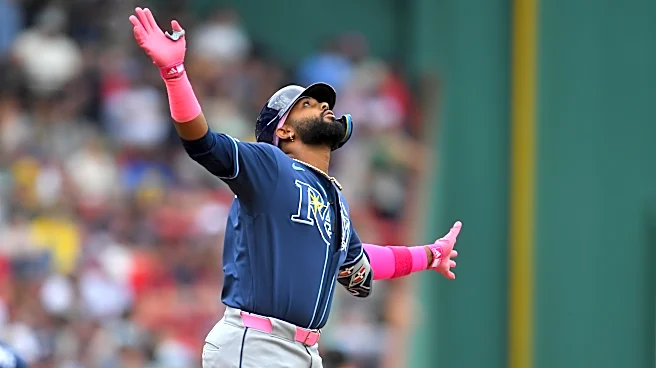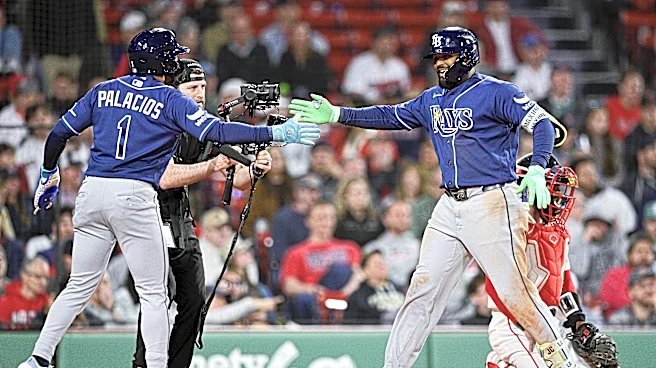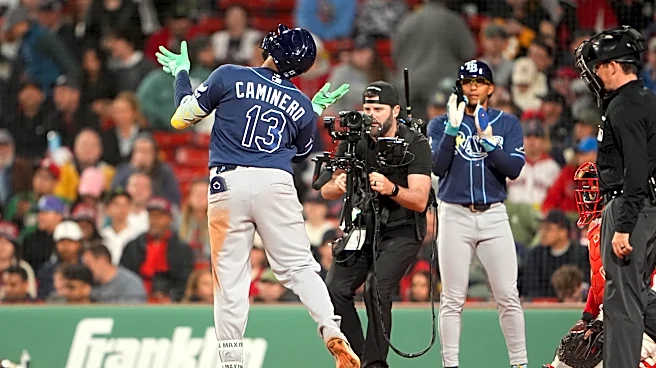




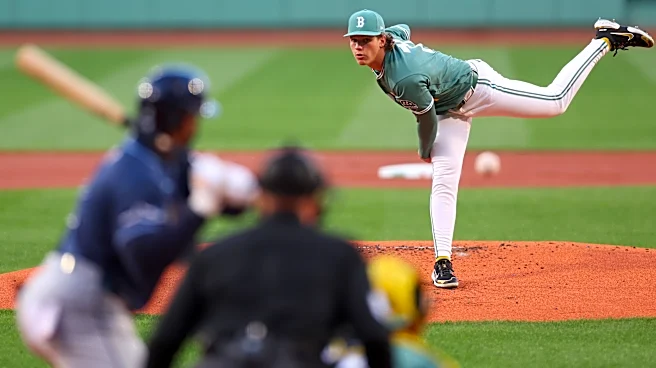

I do my best to try and avoid ever thinking about the Tampa Bay Rays, but they have forced themselves upon my attention with some excellent play across the season’s first quarter. I’m writing this as Logan Henderson delivers his first pitch to Trent Grisham, and Tampa’s .658 winning percentage has them nominally atop the AL East, with two games in hand over the Yankees.
It’s a little rudimentary in 2026 to immediately look at run differential, but the Yankees should have an extra win with their strong
+74, even after a weekend with strong Milwaukee pitching, and the Rays should be six games back of them with just a +17 differential. By BaseRuns, which intends to neutralize sequencing, the difference is more stark, indicating that the Yankees should have a seven-game lead in the East.
But of course there’s what should have happened and what has actually happened, and the Rays have banked those additional five or six wins early. A good chunk of those wins have come on two fronts: home field advantage, and one-run games. The club is 14-4 at the Tropicana House of Horrors, and while that .778 winning percentage will not hold up through August and September, the Rays have always felt an outsized impact of their home cooking.
The last season they played in Tropicana, 2024, the Rays were not a good team, finishing 80-82. They were a paltry .469 team on the road, and 50 basis points better than that at home. In 2023, a much stronger Rays team before a couple tough seasons, they were nearly a hundred basis points better when sleeping in their own beds. I think the 2026 Rays team is better than the squad we’ve seen in the past two years, but probably not a 92-win side. The Curse of the Trop is likely to continue into the summer, but they’ll win less than three-quarters of their remaining home games.
The one-run game phenomenon is a little harder to project out. One-run games are a product of sequencing and bullpen performance, both of which can be extremely volatile over the course of the season. A groundball to the right side after a leadoff double puts you in a great position to push a run across, but that same groundball to the right side when you yourself lead off an inning objectively hurts your chances at scoring. This is the problem that BaseRuns attempts to solve for: the compelling variable is that a batter hit a ground ball to the right side, which generally speaking does not create a lot of runs. This kind of volatility, where the outcome is dependent on a pre-established context, usually means that this stuff balances out over a season.
What’s more interesting is that the Rays don’t really have a particularly strong bullpen — 15th in baseball by ERA, 21st by FIP, 19th by K-BB rate. This is something the club could fix on the trade market, but between the unpredictability of sequencing and the fact the relief corps at present doesn’t frighten me, that 8-1 record in one-run games should start to close up a little bit.
Of course all of this is subject to devil magic, and it’s been a little while since we saw good old classic Tampa Bay Devil Magic. The market can stay irrational longer than you can stay solvent, and the Rays can employ sorcery for longer than it takes for randomness to normalize. The Yankees looked perhaps the worst they’ve looked all year when they played Tampa, of course down at Tropicana, and keeping an eye on the devil magic meter will remain a concern all summer.