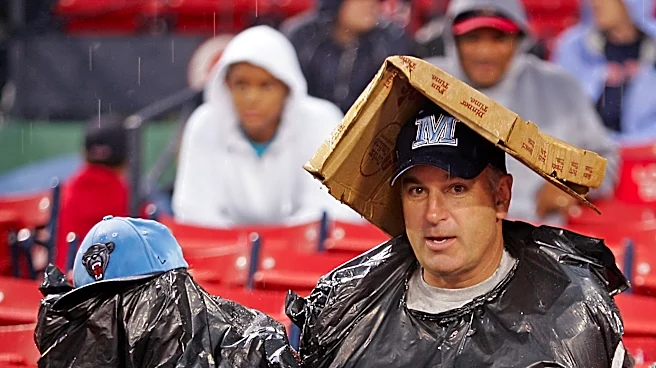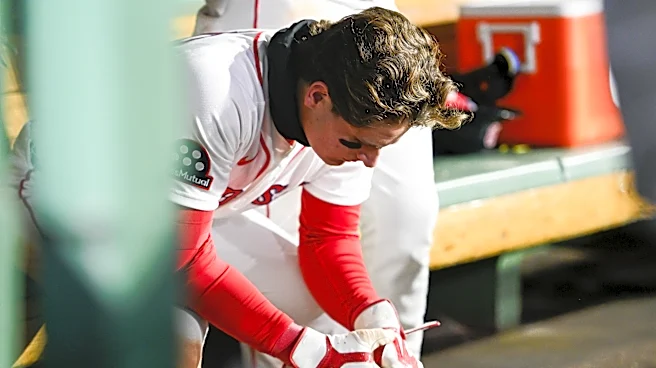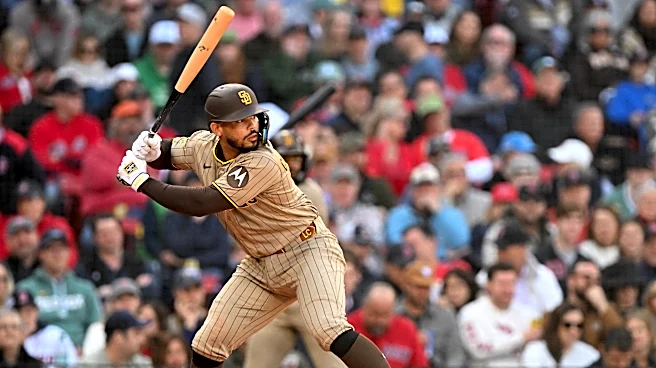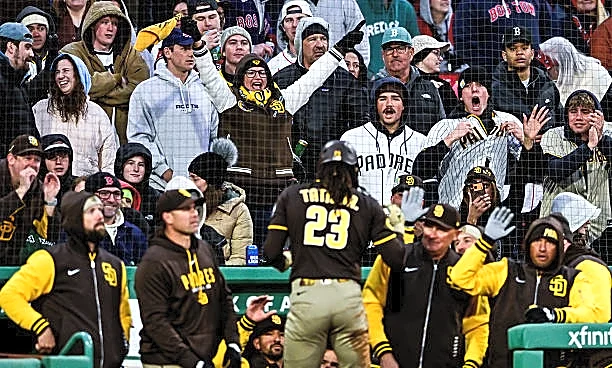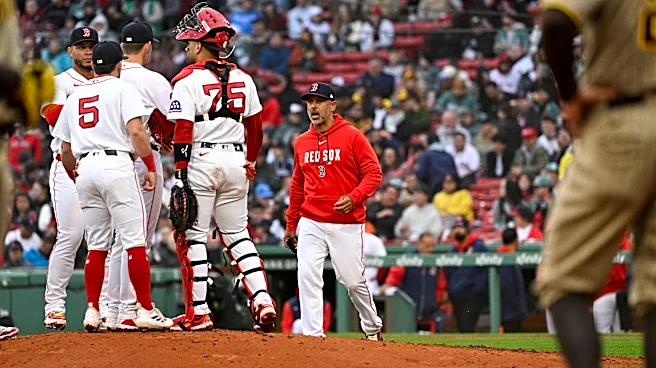


Red Sox nation needed a reason to smile on Opening Day after a trainwreck of a road trip (rail trip?) to start the season. The 1986 team is all well and good, but winning games in 2026 is more fun than thinking about games that were won 40 years ago. They also weirdly played a video celebrating 250 years of the United States, which made me smile, not because of patriotism, but because it felt really out of place for an opening day celebration. It was more of a “what the hell is going on” smile than an “I’m
enjoying this video” smile. The woman in front of me was also astoundingly drunk for the early afternoon, and kept saying her partner was drinking a dark and stormy despite him clarifying it was a vodka lemonade. That was pretty funny, too.
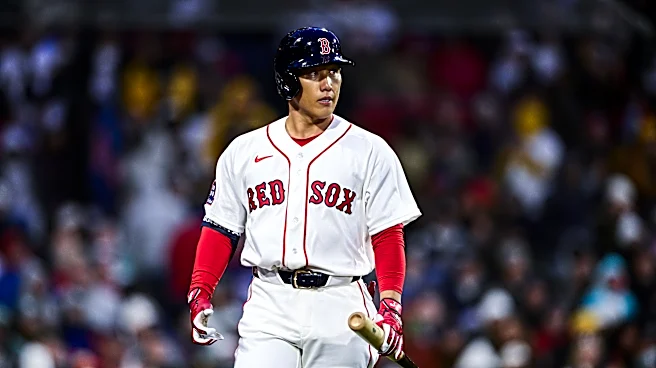
When the game began, however, things were tense. Caleb Durbin grounded into a one-foot, inning-ending double play that elicited a chorus of boos from the Fenway faithful. Fortunately, to keep the crowd from a full riot, Sonny Gray brought his A-game.
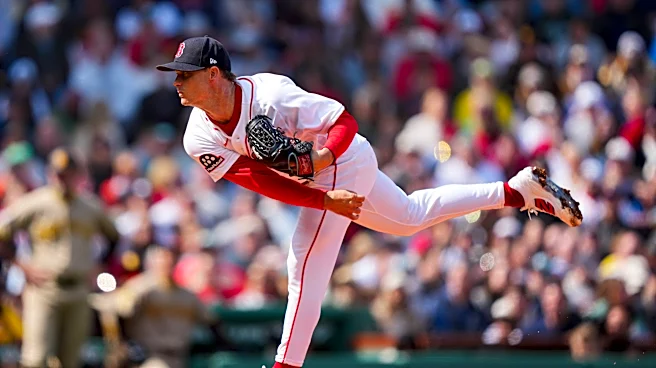
Gray threw six innings of two-run baseball on 87 pitches with the game tied. He did it by getting ahead, pitching to the edges, and changing speeds regularly. Against righties, he does what he always does by pitching to the glove side. It was primarily a cutter that went for 60% strikes, albeit with a low zone rate, as well as five outs on balls in play. He paired it with backdoor sinkers that went for 63% strikes, although a few leaked back over the plate into the danger area. With two strikes, he turned to his lethal sweeper, but the command wasn’t quite there, and it only returned one strikeout against righties. The shape and velocity were consistent with last season, so the pitch should continue to miss bats with the right locations.
Against lefties, it was a more balanced mix, led by Gray’s four-seam fastball that he likes to throw up and inside. He followed it up with his cutter, curveball, and even a few well-spotted changeups that mostly lived on the edges and created weak contact. Overall, Gray kept the ball on the ground and avoided barrels. There were one or two mistakes that were hit, but even without his best put-away stuff, the veteran navigated the lineup two and a half times and gave the Red Sox a chance to win. That’s enough reading, let’s watch the tape and see how he got it done.
If you’re new here, I break down at-bats and try to explain why pitchers choose a certain pitch and how they work together in sequence. I make notes as I watch the game on what matchups are good to break down, but for the most part, I’m writing this as I rewatch, so I don’t remember what pitches are coming next.
2nd Inning vs. Miguel Andujar
We’ll start with Miguel Andujar in the second inning.
It’s a cutter that starts down the middle and cuts off the plate. Andujar is looking middle-in and whiffs. Great start. Gray throws everything on the glove side against righties and will likely continue to stay away from Andujar until he proves he can lay off.
At 0-1, Gray goes to a sweeper that breaks off the plate for ball one. Good idea, poor execution. At 1-1, Gray could go back to the cutter, a backdoor sinker, or even try to run a sinker in on the hands as a surprise.
He does try to backdoor the sinker, but yanks it for ball two. He’s trying to start this pitch away and have it clip the outside edge with its horizontal movement, but he misses his spot. At 2-1, his options are similar to 1-1. He also has the four-seam fastball that he can try to land on the outside edge for a take.
It’s the four-seam down the middle, and Andujar fouls it off. Andujar appears to be looking for a sinker coming towards him, because he pulls off this ball and gets it off the end of the bat. With two outs and nobody on, a walk isn’t the end of the world, but Gray should throw whatever he feels best about throwing to the edge.
It’s the backdoor sinker, and all Andujar can do is hit it on the ground. With two strikes, Andujar has to swing, and this is in a location where it’s hard to do much with. Great pitch.
4th Inning vs. Jackson Merrill
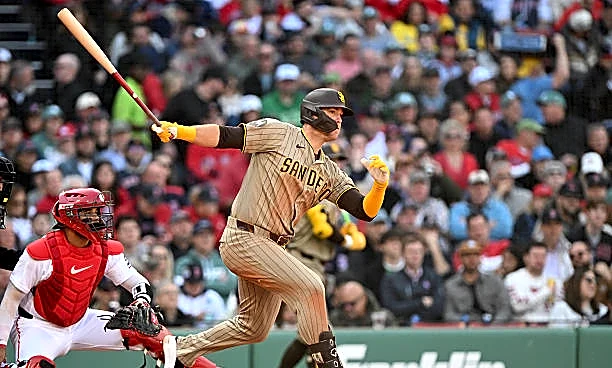
Here’s Jackson Merrill in the fourth inning. In the first meeting, everything Gray threw was on the glove side, with Merrill ultimately grounding out against a four-seam fastball.
Gray starts Merrill off with a curveball at the bottom of the zone. It’s fouled off for strike one. Getting ahead of hitters, especially lefties, is huge for Gray. He did a great job of that on Friday, going 17/22.
He tries to go inside with a fastball, but misses above the zone. That high above the zone will never get a whiff, but it’s out of the danger area as far as misses go.
Here’s a changeup that’s in a really good location, but Merrill takes it for ball two. It’s hard to say for sure, but it looks like he’s fooled by the movement and is lucky it fades off the plate.
This is fun. It’s essentially the same pitch, but this one is seven miles per hour harder. Merrill is timed up for something soft and is late, fouling it off. Now with two strikes, Gray could go to his sweeper at the back foot, a changeup away, or a curveball in the dirt. He also likes to throw a sinker at the front hip of lefties with two strikes.
It is the front hip sinker, but it starts too far inside to get the called strike. To this point, everything inside Merrill saw was breaking towards him. Gray is trying to start it just off the plate, so it runs back and Merrill takes it, but it starts right at him. 3-2.
It’s a cutter that starts down the middle and runs inside. Merrill gets around it and grounds out weakly to first. It’s not the best located pitch, but this is what Gray can do when he’s locating. He has pitches moving in each direction, and he can throw just about everything in the zone. It’s hard for hitters to see a pitch in a certain part of the plate and know what’s coming, and he misses barrels as a result. Nicely done.
5th Inning vs. Ramon Laureano
Let’s do one more. Here’s Ramon Laureano in the fifth inning. He flew out on a sinker inside his first time up.
It’s a sinker that starts outside and comes back for strike one. In his first at-bat, everything away from Laureano stayed away. This one starts away and comes back, and Gray is ahead 0-1.
Here’s a cutter that starts middle and cuts away. Laureano fouls it off, and it’s 0-2. As a general rule of thumb, if Gray is up 0-2 against a righty, it’s probably a sweeper.
This is disgusting. It starts on the inside edge and breaks 18 inches across the plate. For reference, home plate is 17 inches across. At 86 mph, it’s nearly impossible to hit when it’s located well.
Gray is at his best when he gets ahead of hitters and can throw his various fastballs in sequence. In his home debut, that’s exactly what he did. When he falls behind, and hitters can be more selective, he can get into trouble, but when he’s ahead, and hitters are forced to swing, they have a very hard time. When he gets to two-strike counts, that sweeper is nearly unhittable. There hasn’t been a lot to smile about for Red Sox fans, but Sonny Gray is showing he still has an arsenal that works.