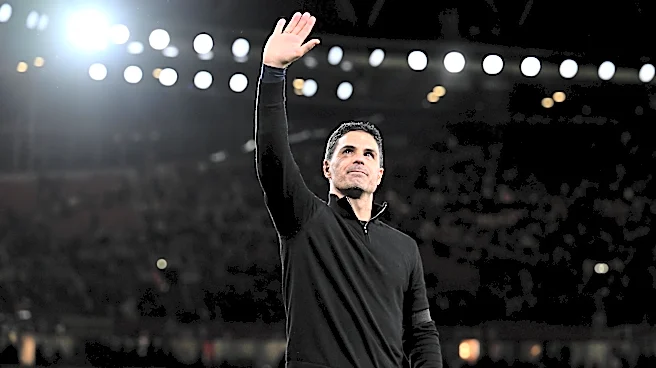





On December of 2019, Arsenal made one of the biggest gambles in club history when they appointed former Arsenal player Mikel Arteta as manager of the club following the end of Unai Emery’s ignominious stint. With no managerial experience under his belt, the ownership placed the club’s uncertain future in the untested hands of Arteta during a painful, rudderless period. After 22 years under Arsene Wenger and a middling period with Emery, the north London Premier League stalwarts found themselves in uncharted
waters with Arteta given the keys to the Arsenal kingdom.
The definitive moment of Arteta’s career came early on in his tenure when he famously, or infamously, espoused his steadfast belief in The Process – his long-term, full club rebuild with the goal of restoring the Gunners to glory. Focusing on developing a sustainable winning culture and tactical identity, The Process became the signature proclamation by which Arteta would define his and the club’s future, for better or for worse.
The early stages were far from easy. Two 8th place and a 5th place finish turned The Process into a cudgel that detractors could gleefully beat he and the club with as campaign after campaign came ever so close, but not quite close enough to validate the club’s commitment to the gaffer and his grandiose picture. Still, in the face of heavy criticism and sections of the fanbase calling for his firing, Arteta persisted and stood by his plan, and the club backed him.
Over the first two seasons, Arteta ruthlessly cut the fat, moving on from players who were unwilling to carry their weight or buy in to his plan. Contracts were cancelled and players were moved on as the club ate the cost of purging those deemed surplus to demands as the manager made room for new talent that would buy into his vision. The locker room became filled with leaders. Egos were checked, and a new, unified culture began to take root.
By his third campaign, The Process became palpable. The transfers of Gabriel Jesus and Alexander Zinchenko from Manchester City helped propel the Gunners into an improbable title race that ended just shy of glory, but gave a glimpse of things to come as Mikel Arteta’s side soon became perpetual title contenders. The football was cohesive, and an identity, established.
But that first title race was followed by another 2nd place finish. And another. Further additions of key players like Jurrien Timber, David Raya, and Declan Rice over the seasons continued to raise the ceiling. Champions League football came back to The Emirates, but the crowning glory of a title continued to elude them.
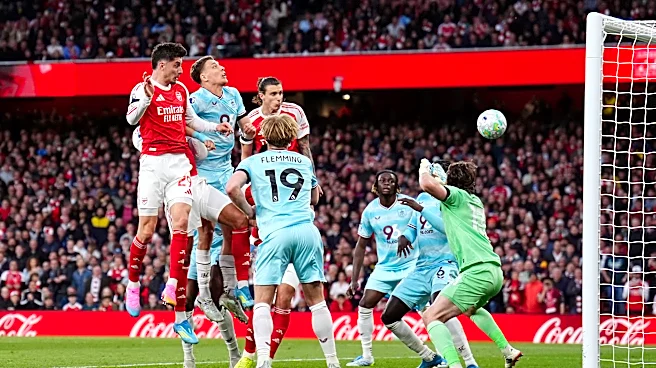
Arteta, compulsively driven to gain every tactical advantage, retooled and reworked his side. He stocked the defense with physically imposing talent as the back line became the best in the world. Set pieces dominance and impeccable team structure propelled the side into a new echelon of performance. Importantly, he continued putting trust in his coaching staff, with Nicolas Jover and Albert Stuivenberg prominent fixtures on the sideline. He hired Gabriel Heinze to push his defense to further heights. No stone remained unturned in Mikel’s quest to turn the side into the best in England.
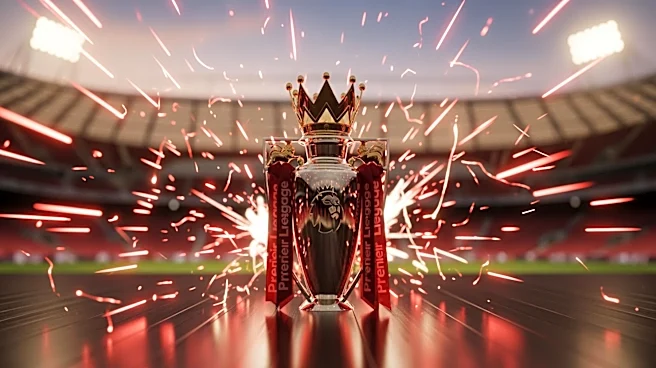
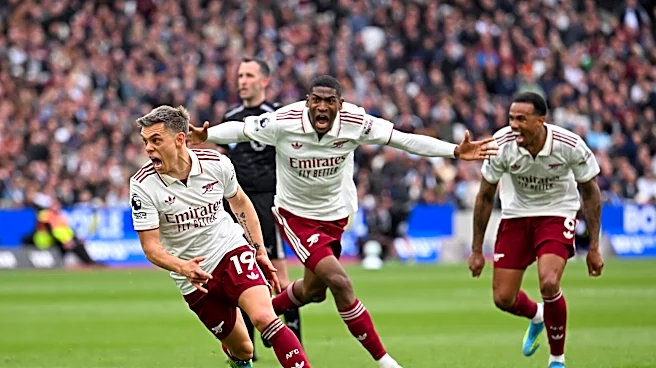
Finally, on Tuesday evening, the players shook off years of becoming “nearly men” and became Premier League champions. Six and a half years after it began, The Process finally paid off.
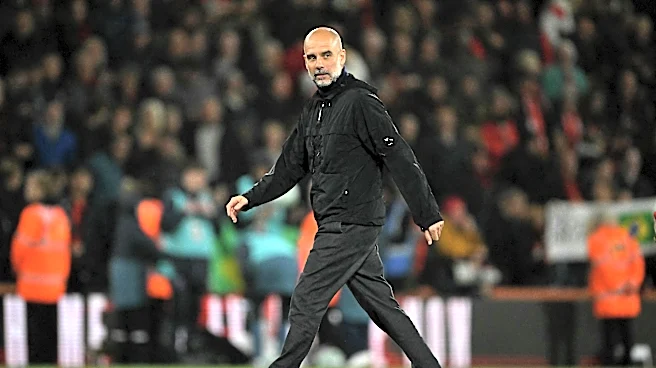
Like his former manager Arsene Wenger before him, Mikel Arteta quickly became a lightning rod in the footballing media. His confident assertions about the club’s aspirations and capabilities during unfulfilled seasons made for easy pickings by the endless cadre of talking heads and wannabe social media voices that fattened themselves for years on Arsenal’s failures. His hard work wasn’t enough for people outside of Arsenal’s sphere to take him seriously as Pep Guardiola and Jurgen Klopp ruled the league.
In a footballing world filled with win-now hires and never-ending managerial carousels, Arsenal’s decision to play the long game has become the model for success. Arteta’s vision and unwavering conviction, which had seen him lauded for his gumption by some and chided by others, made him a force to be reckoned with in the Premier League and Europe.
When it mattered most, he and the club persevered, undaunted by a pervasive culture where other top clubs churned through players and managers at an alarming clip. As Arsenal’s rivals found themselves struggling to regain their once-prominent place in the pecking order, one club, and one manager, finally came out on top.
The story is far from over, and Mikel Arteta’s legacy has yet to be fully written. Arsenal have another opportunity this season to cement their names in the club’s history book with a Champions League final at the end of the month. Regardless of that outcome, it does not change the fact that Arsenal, with Mikel Arteta in charge, have successfully changed the trajectory of the club after decades of heartache to find themselves back on top of English football.
And it is all because they decided to Trust the Process.