






The Dallas Mavericks officially landed the 9th pick in the 2026 NBA Draft on Sunday, falling one spot from where they entered the lottery after finishing with the eighth-best odds. And honestly, it felt fitting. Not because Dallas got robbed or because the lottery “screwed” them, but because this outcome is the direct result of the season they chose to have. The Mavericks spent too much of the year stuck in the middle. They waited too long to fully commit to losing, picked up a handful of meaningless
late-season wins, lost the tiebreaker with New Orleans, and ultimately gave themselves a much shakier lottery position than they probably should have had.
That’s the frustrating part.
The Mavericks already understood how important lottery positioning could be because they literally lived the dream scenario last year. Dallas won a tiebreaker with Chicago, moved into slightly better odds, jumped all the way to No. 1 and landed Cooper Flagg despite only having a 1.8% chance entering the night. That tiny edge changed the trajectory of the franchise. This year, they went the other direction. Instead of maximizing their odds, they hovered in that awkward in-between space where they were too bad to compete but not disciplined enough to bottom out fully.
The result? A drop to ninth in what may end up being the most important draft of the Cooper Flagg era outside of the year they drafted him. And make no mistake, this offseason is absolutely pivotal.
The Mavericks are entering the beginning of their build around Flagg, and they do not have the luxury of endless draft flexibility. Dallas has very limited control over its future first-round picks over the next several years, which means it cannot afford to miss on opportunities like this. This is not a team sitting on a mountain of assets waiting to cash them in later. This is a front office that needs to maximize every meaningful pick it gets, especially while Flagg is still on a rookie contract and developing into the centerpiece they believe he can be.
That’s why landing ninth instead of staying in that 7–8 range stings.
Because while the Mavericks still have a chance to land a really good player, this draft has a clear upper tier, and every spot you fall matters more once you move outside the top group. Prospects like AJ Dybantsa, Darryn Peterson, Cameron Boozer and Caleb Wilson are likely going near the top. At the same time, Dallas now enters the range where projection, fit, and scouting become even more important.
Because of that, the Mavericks are now shifting toward a different hope entering the combine season: that one of the better guards in the class falls into their range. Dallas desperately needs more creation, point-of-attack defense, and long-term backcourt upside around Flagg, and the ninth pick suddenly places them directly in the middle of that conversation.
Two names that immediately stand out are Labaron Philon Jr. and Brayden Burries, both of whom fit a lot of what Dallas lacks right now. Philon’s pace, playmaking, off-ball ability, and ability to pressure defenses downhill would immediately help stabilize a roster that struggled all season to consistently organize offense. Burries brings more scoring upside and physicality as a bigger, guard-creator, while still fitting the timeline Dallas is building toward.
As the combine approaches, those are exactly the kinds of names Mavericks fans should start paying close attention to, because the draft board now feels a lot more centered around finding Flagg’s long-term backcourt partner instead of chasing the very top tier of the class.
Which is where the new front office comes in.
This draft will be the first real test for the Mavericks’ new basketball leadership group led by Masai Ujiri and Mike Schmitz, two names with strong reputations for talent evaluation and player development. Ujiri built much of Toronto’s success through aggressive drafting and finding value outside obvious spots, while Schmitz has long been viewed as one of the best evaluators in basketball circles. Dallas is betting heavily that this new regime can identify the right fit alongside Flagg, even without elite lottery positioning.
And honestly, that’s now the entire challenge of this rebuild.
The Mavericks have already found the hardest piece to get. Cooper Flagg looks like a future superstar and legitimate franchise engine. The next step is to build the right infrastructure around him. They need more guard creation. They need point-of-attack defense. They need shooting, athleticism, and players who can thrive next to a high-usage playmaker. More importantly, they need a roster with a real identity, something they completely lacked for most of this disastrous season.
So while lottery night itself was disappointing, the bigger story is what comes next.
Because this isn’t just another draft pick, this is one of the few premium opportunities Dallas is going to have over the next several years to shape the roster around Cooper Flagg meaningfully. Only this time, there’s a lot less margin for error.
2026 NBA Draft Lottery results:
No. 1: Washington Wizards
No. 2: Utah Jazz
No. 3: Memphis Grizzlies
No. 4: Chicago Bulls
No. 5: Los Angeles Clippers (via Pacers)
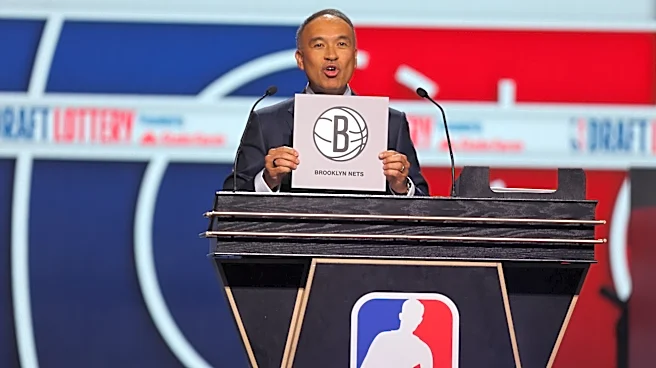
No. 6: Brooklyn Nets
No. 7: Sacramento Kings
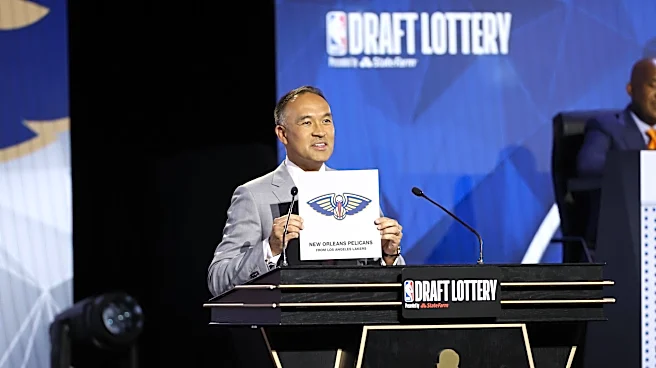
No. 8: Atlanta Hawks (via Pelicans)
No. 9: Dallas Mavericks
No. 10: Milwaukee Bucks
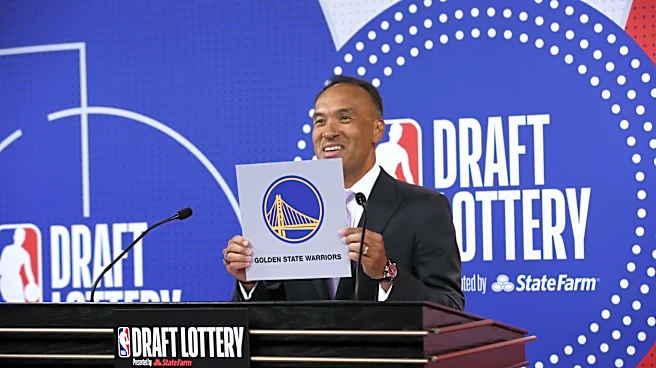
No. 11: Golden State Warriors
No. 12: Oklahoma City Thunder (via Clippers)
No. 13: Miami Heat
No. 14: Charlotte Hornets